
Peter Paul Rubens: Flemish Baroque Master and Diplomat
Peter Paul Rubens (1577–1640) was a leading Flemish painter whose dynamic, colorful works shaped Baroque art across Europe. He ran a large studio, painted diverse subjects, and influenced generations of artists.
Peter Paul Rubens (28 June 1577 – 30 May 1640) was a central figure of 17th-century European art. A Flemish painter by training and practice, he became famous for large-scale canvases that combine vigorous movement, rich color and a sensuous vitality. His output ranges from monumental religious altarpieces to intimate portraits and mythological scenes.
Image gallery
10 Images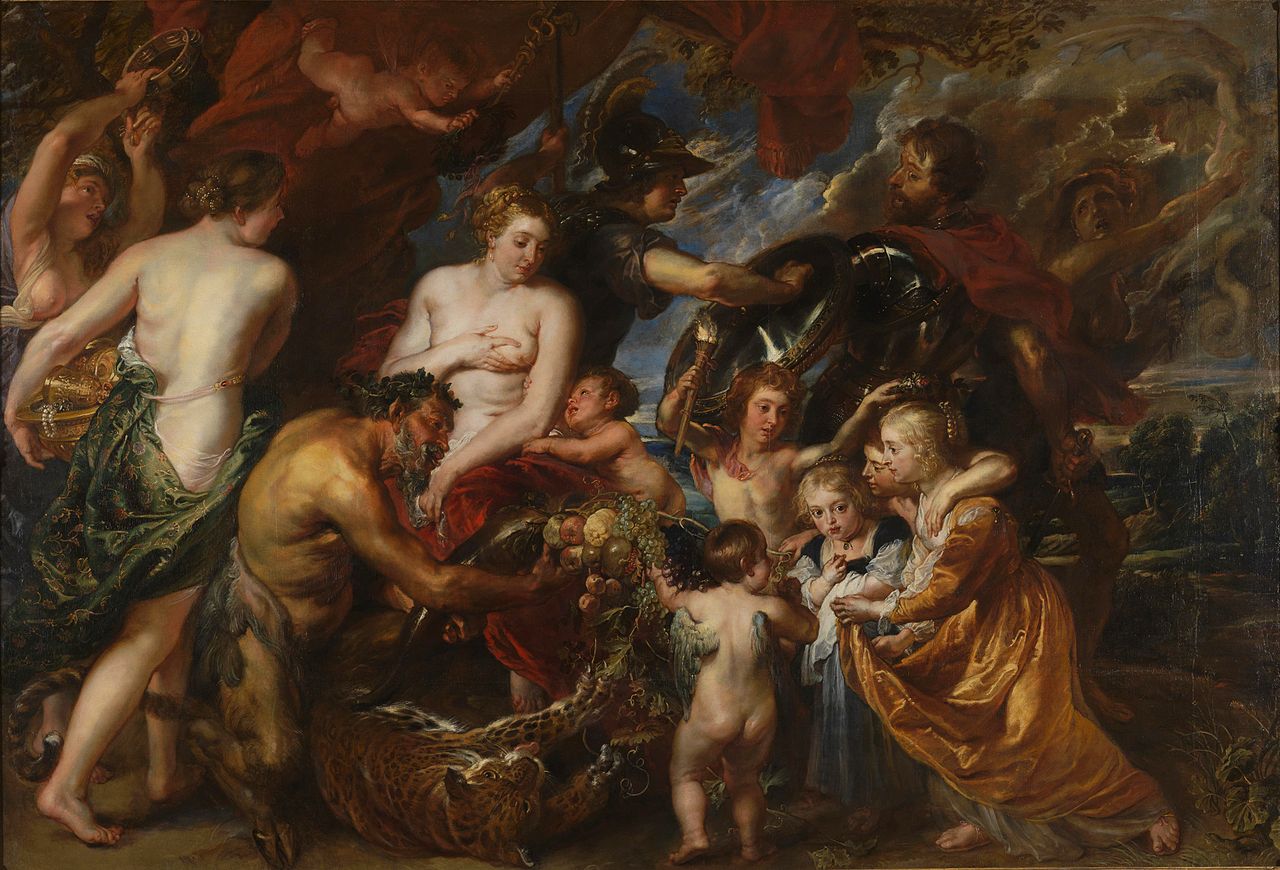




Style and characteristics
Rubens is commonly associated with the Baroque idiom: compositions that emphasize dramatic action, strong diagonals, theatrical lighting and animated figures. He adapted classical models and Italian colorito into a bravura Flemish manner, producing robust anatomy, swirling drapery and glowing flesh tones. Many of his works display a pronounced sensuality and a confident handling of oil paint.
Subjects and works
He addressed a wide variety of subjects and formats, often designing for public churches, private patrons and courtly residences. Typical subjects included:
- Large religious altarpieces and scenes from scripture;
- Mythological and allegorical compositions drawn from classical sources;
- Portraits of nobles and diplomats;
- Landscapes and designs for tapestries and prints.
Among his best-known paintings are dramatic history pieces and devotional works that were often intended for public display and for liturgical settings.
Career and influence
Rubens trained in the Low Countries and spent formative years in Italy, where he absorbed the work of painters such as Titian and the legacy of Renaissance sculpture. Back in Antwerp he established a large, collaborative studio: pupils and assistants helped produce commissions while he directed compositions and painted key passages. Anthony van Dyck was among his most notable pupils. Rubens's combinations of theatrical composition and rich color had a lasting effect on artists across Europe, shaping the language of Baroque painting in Spain, France and beyond.
Legacy and notable facts
Beyond painting, Rubens took on diplomatic missions and managed an active workshop that supplied paintings, copies and tapestry cartoons to a wide clientele. His work is frequently studied for its synthesis of classical ideals with exuberant Baroque energy, and many museums and churches preserve his major canvases as exemplars of 17th-century art.
Related articles
Author
AlegsaOnline.com Peter Paul Rubens: Flemish Baroque Master and Diplomat Leandro Alegsa
URL: https://en.alegsaonline.com/art/76133