
Titian (Tiziano Vecellio): Venetian Master of Color
Titian (c.1490–1576) was the leading painter of the Venetian High Renaissance, renowned for his innovative oil technique, vibrant use of color, varied subjects and long influence on European painting.
Overview
Tiziano Vecellio, known in English as Titian, was born around 1490 in Pieve di Cadore and died on 27 August 1576 in Venice. He is widely regarded as the foremost painter of the sixteenth-century Venetian school and a central figure of the High Renaissance. During his long career he became internationally celebrated for a richly chromatic, painterly approach often termed colorito, and for handling oil paint in ways that enlarged the expressive possibilities of the medium.
Image gallery
10 Images






Early life and training
Titian left Cadore for Venice at a young age and entered the artistic milieu of the city, which was then a prosperous maritime republic. He received early instruction in the workshop tradition and absorbed lessons from senior artists including Gentile and Giovanni Bellini; references to the Bellini brothers appear in many accounts of his formation and technique (Gentile Bellini, Giovanni Bellini). In his formative years he also worked beside or under Giorgione and adopted compositional freedoms that distinguished Venetian painting from contemporary Florentine practices.
Career and patrons
By about 1513 Titian had an independent workshop and rapidly attracted a wide range of patrons. He produced altar paintings for Venetian churches and portraits for civic and noble clients. His fame reached the European courts: Charles V rewarded him with honors, including recognition of his social status through a form of noble rank (a noble title). He was summoned to Rome by Pope Paul III and worked for Habsburg and Spanish patrons, accompanying rulers such as Philip II on diplomatic occasions and remaining a sought-after portraitist across the continent.
Artistic style and technique
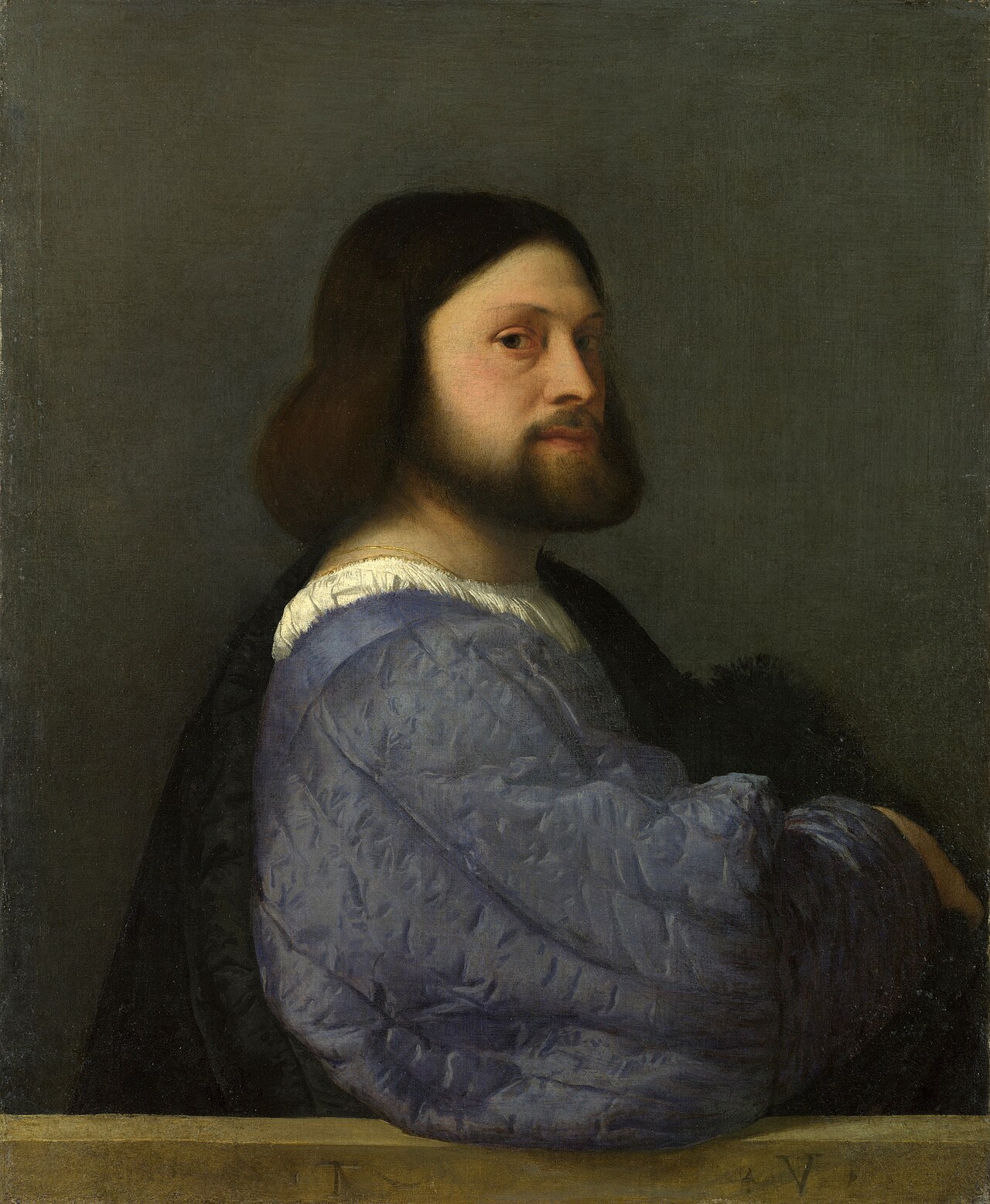
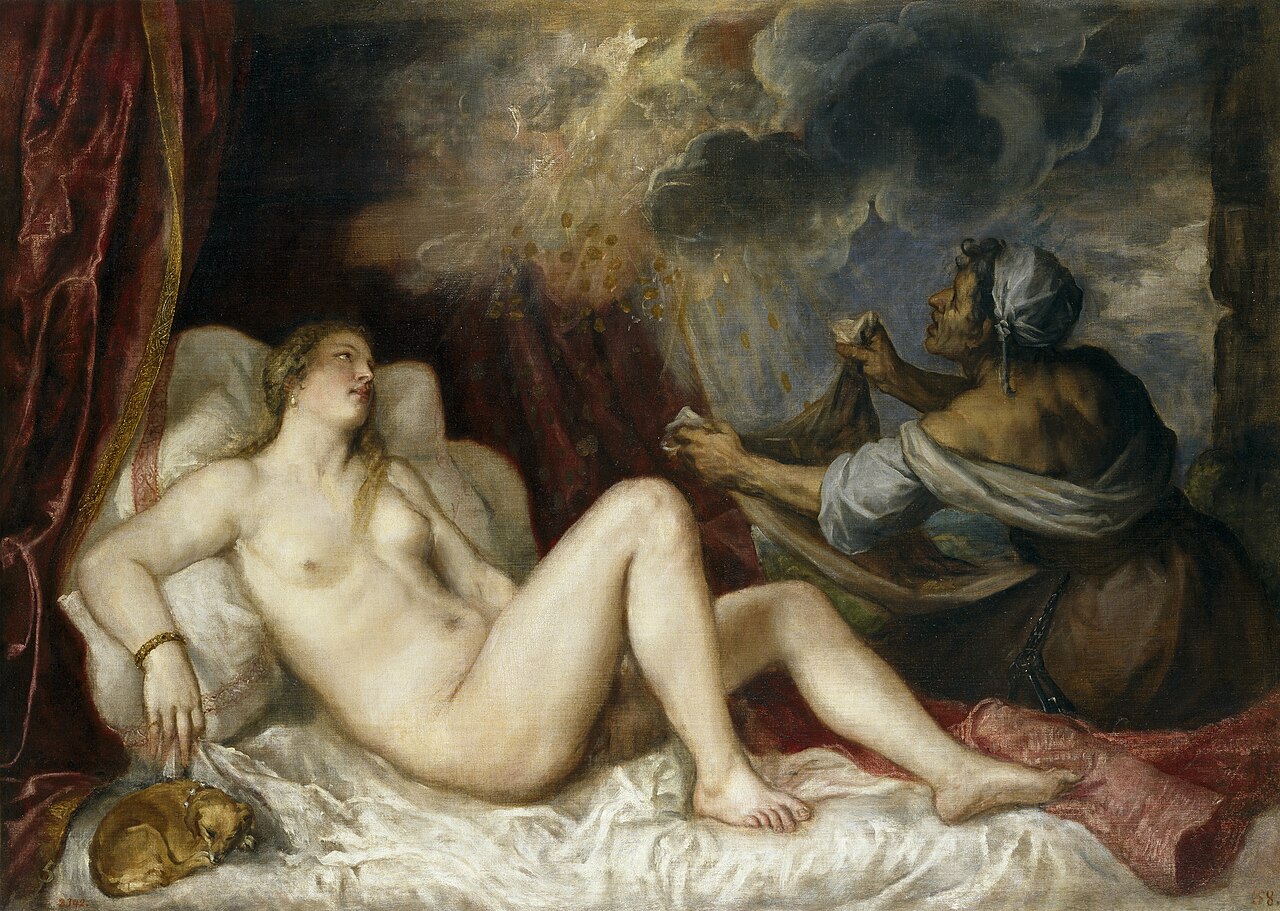
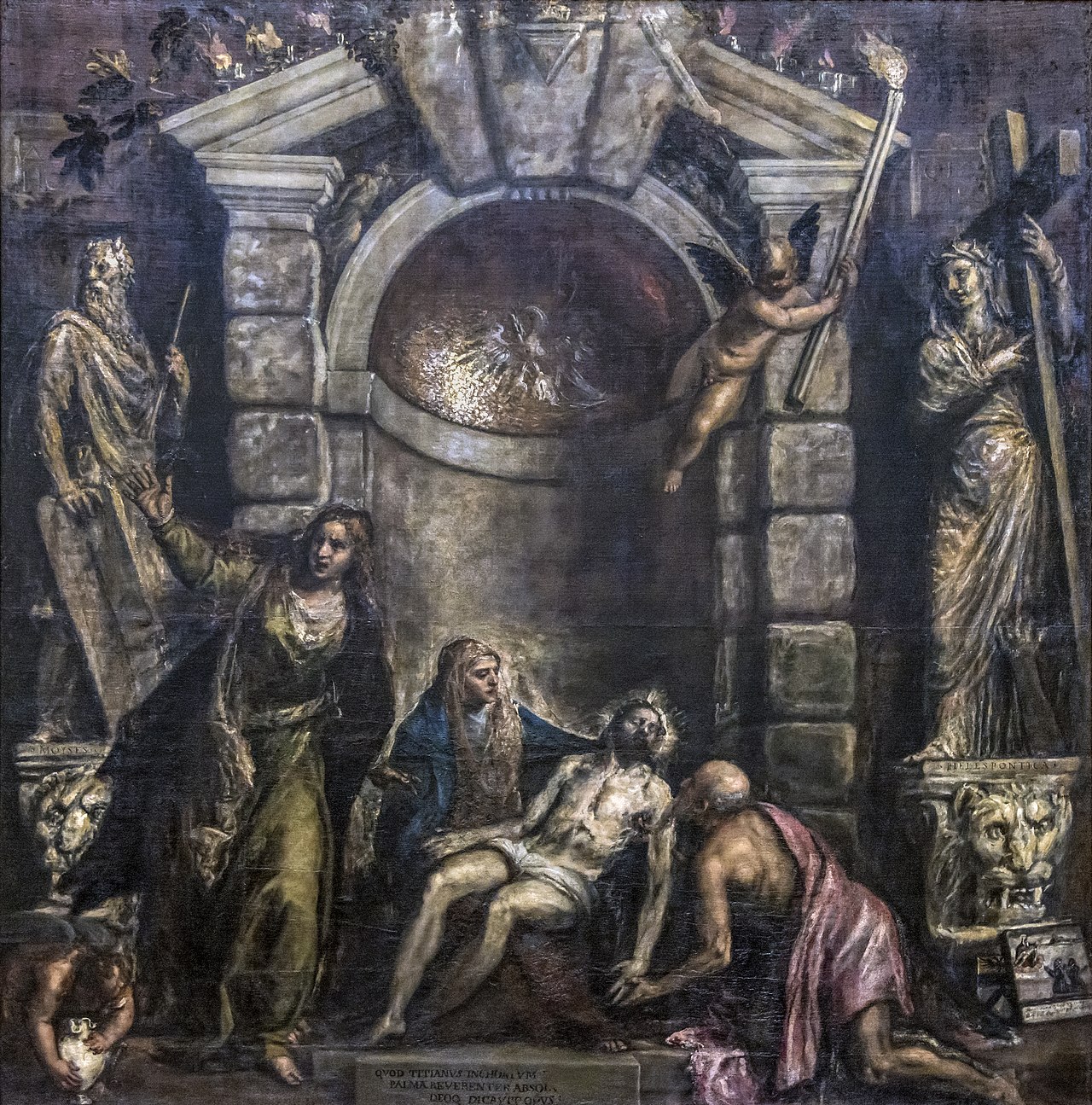
Titian’s technique evolved from a balanced, carefully modeled early manner to a later freer, more luminous handling of oil paint. He emphasized color, atmospheric depth and the tactile qualities of paint over tight drawing, and he experimented with layers of glaze and impasto to achieve vivid skin tones, rich fabrics and the illusion of light. His treatment of mythological, religious and secular subjects established new standards for sensuality, psychological presence and monumental composition.
Subjects and major works
Working across genres, Titian painted portraits, large-scale altarpieces, devotional Madonnas, landscapes, and mythological scenes. Notable works include the Assumption of the Virgin (a landmark altarpiece), the reclining nude of the Venus of Urbino, the dynamic Bacchus and Ariadne, and many state portraits of emperors and nobles. He produced both public commissions for churches and palaces and private paintings for collectors. He also painted varied religious narratives and works set in natural landscapes (landscape elements).
Workshop, pupils and production
Titian ran a busy studio that completed commissions for local and foreign patrons; assistants worked under his direction while he supplied designs, key passages and the final touches. Over a long career several catalogues have attributed hundreds of works to him—some older counts record as many as 676 paintings—although attribution remains the subject of scholarly study and revision as research and technical analysis proceed.
Later years and death
In later life Titian continued to receive high-level commissions and to enjoy social prestige. He was associated with major political and ecclesiastical patrons and was called on for portraits and ceremonial images. In 1545 he met the pope in Rome and thereafter moved between Venice and visits to imperial courts. He died during a plague outbreak in Venice in 1576, by then an elderly and celebrated master whose reputation extended across Europe.
Influence and reception
Titian’s use of color, bravura surface handling and emphasis on sensory effect heavily influenced later European painting. His approach contributed to the development of Baroque colorism and resonated with artists who valued color and expressive brushwork over linear draftsmanship. Painters who acknowledged Titian’s impact include Peter Paul Rubens, whose palette and dynamism echoed Venetian models, and later figures such as Eugène Delacroix and Antoine Watteau, who admired his chromatic freedom. His portrait tradition informed court painting in Spain and the Habsburg realms.
Critical legacy and scholarship
Scholarly interest in Titian remains vigorous: art historians study his workshop practice, pigments and methods, and the social contexts of his commissions. Technical examinations—infrared, x-radiography and pigment analysis—have clarified underdrawing, revisions and the buildup of glazes that give his paintings their depth. Debates about chronology, authorship and conservation continue to refine understanding of his oeuvre.
Further reading and resources
- Biographical overviews and museum catalogues provide accessible introductions to his life and works (studies of the High Renaissance).
- Online collections and museum pages offer images and curatorial notes (Rome exhibitions).
- Catalogues raisonnés and technical reports document attributions and conservation history (portrait studies, landscape analysis).
- Resources on the cultural context of Venice and its institutions provide background to his public commissions (Republic of Venice).
- For further bibliographic leads, consult specialist histories and museum libraries (religious painting, papal patronage).
For introductions aimed at general readers and students, museum websites and illustrated catalogues remain helpful starting points. For advanced study, monographs and technical catalogues present detailed chronologies, conservation records and interpretive essays that illuminate Titian’s methods and his enduring position in Western art history. Additional online resources and exhibition pages may be found through major institutions and academic projects (Cadore, Venice, Habsburg connections, Spanish court relations, titles and honors, mythological subjects, Bellini lineage, earlier Venetian masters).
Questions and answers
Q: When was Titian born?
A: Titian was born around 1490 in Pieve di Cadore near Belluno.
Q: Who taught him how to paint?
A: Titian was taught how to paint by the brothers Gentile and Giovanni Bellini.
Q: What year did he open his own shop?
A: In 1513, Titian opened his own shop.
Q: How old was he when he died?
A: Titian died of the Plague in 1576 at the age of 86.
Q: How many works did he create during his lifetime?
A: During his lifetime, Titian created 676 works.
Q: What type of art did he produce? A: Titian produced portraits, landscapes, as well as themes from mythology and religious works. All his works were very colorful.
Q: Which painters were influenced by Titian's work? A:Titians work influenced painters such as Peter Paul Rubens, Antoine Watteau and Eugène Delacroix.
Author
AlegsaOnline.com Titian (Tiziano Vecellio): Venetian Master of Color Leandro Alegsa
URL: https://en.alegsaonline.com/art/131980