
Mule deer: description, behavior, distribution, and conservation
Comprehensive overview of the mule deer (Odocoileus hemionus): appearance, habitat, diet and migration (green-wave surfing), reproduction, subspecies, human interactions and conservation challenges.
Overview
The mule deer (Odocoileus hemionus) is a medium- to large-sized deer native to western North America. Named for its large, mule-like ears, the species includes several regional forms often treated as subspecies, including populations commonly called black-tailed deer. Mule deer are an important component of western ecosystems and are well known for seasonal migrations and their reliance on spring green-up for nutrition. For taxonomic and general context see species overview and broader information about deer at deer.
Image gallery
10 Images





Physical characteristics
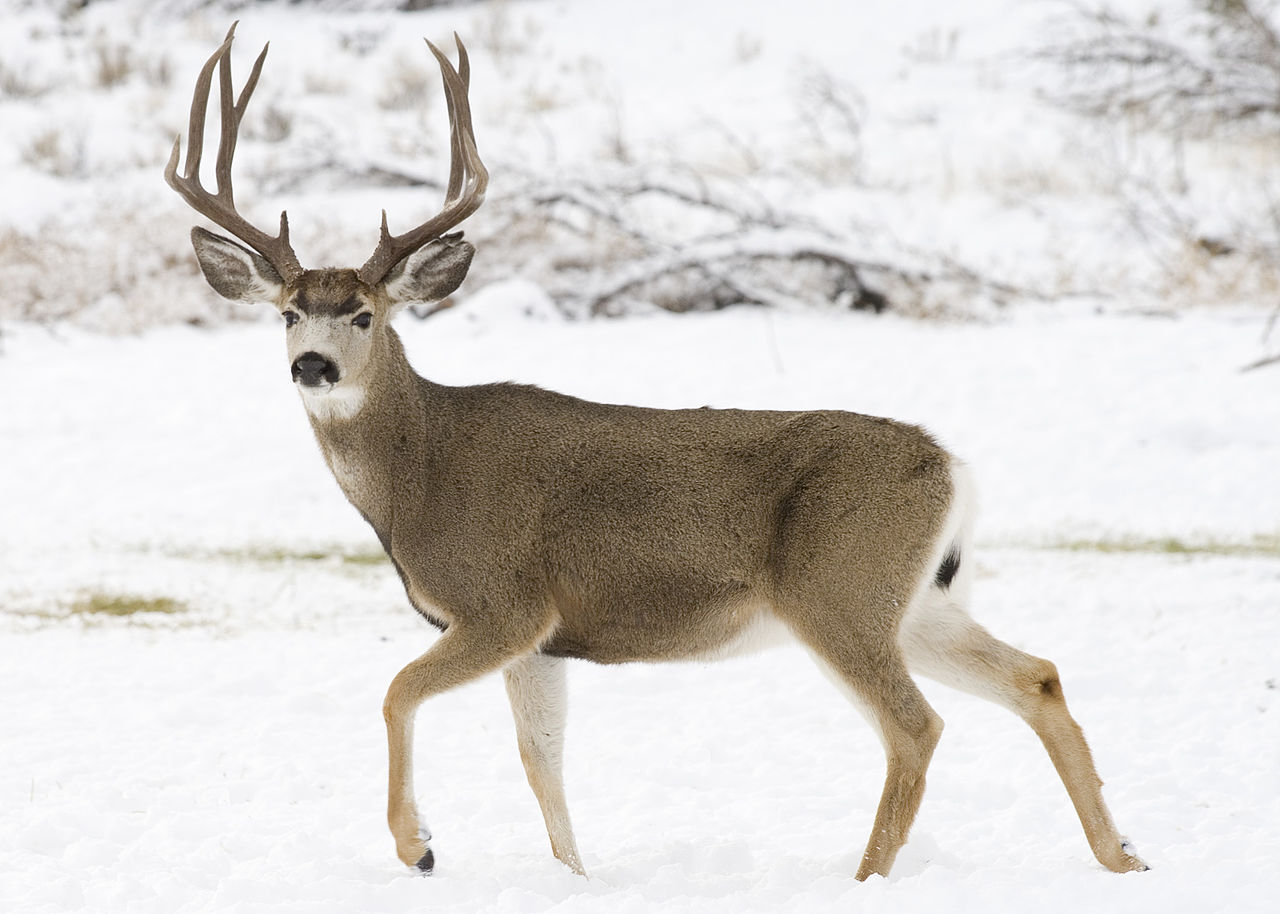
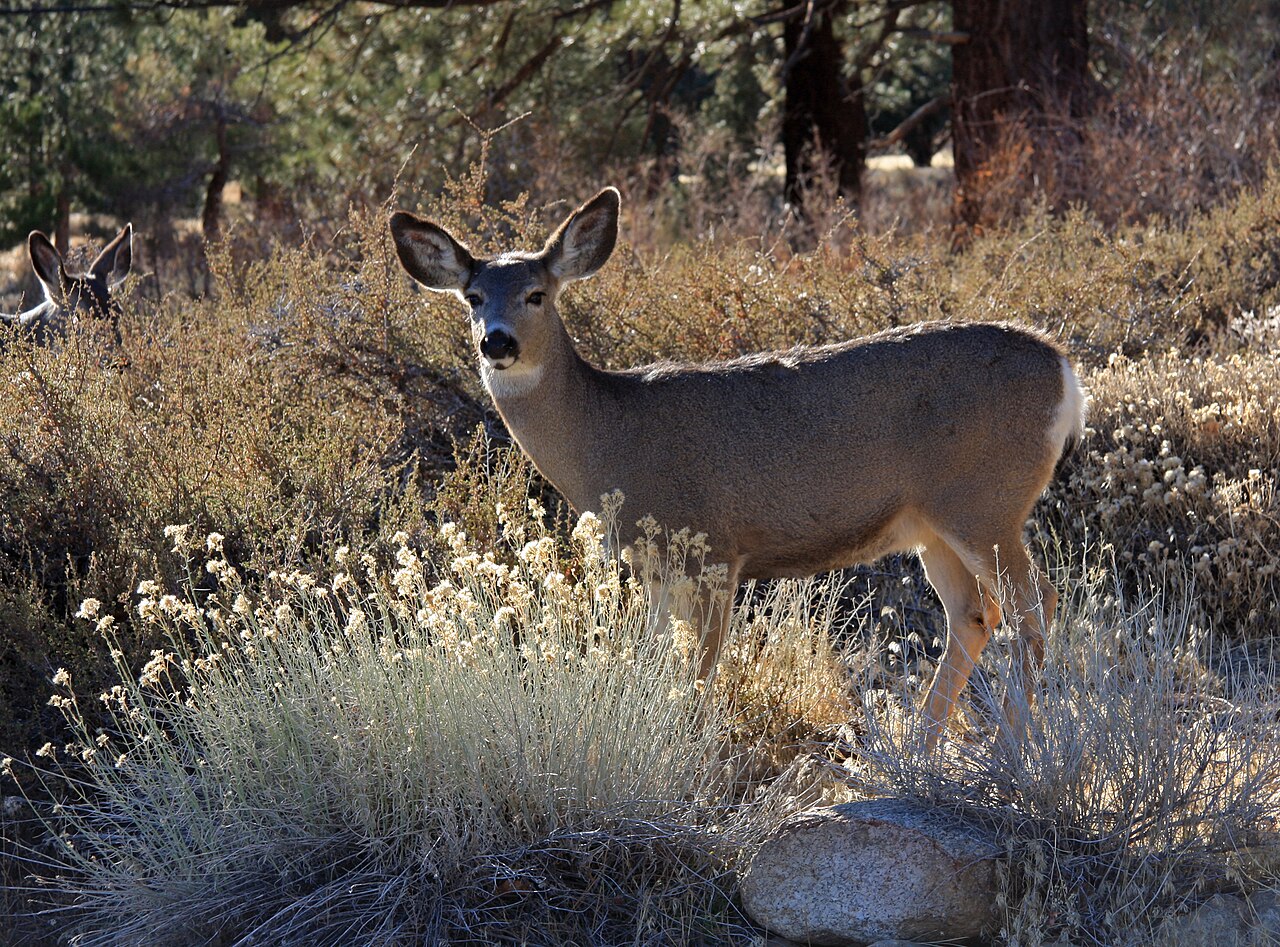
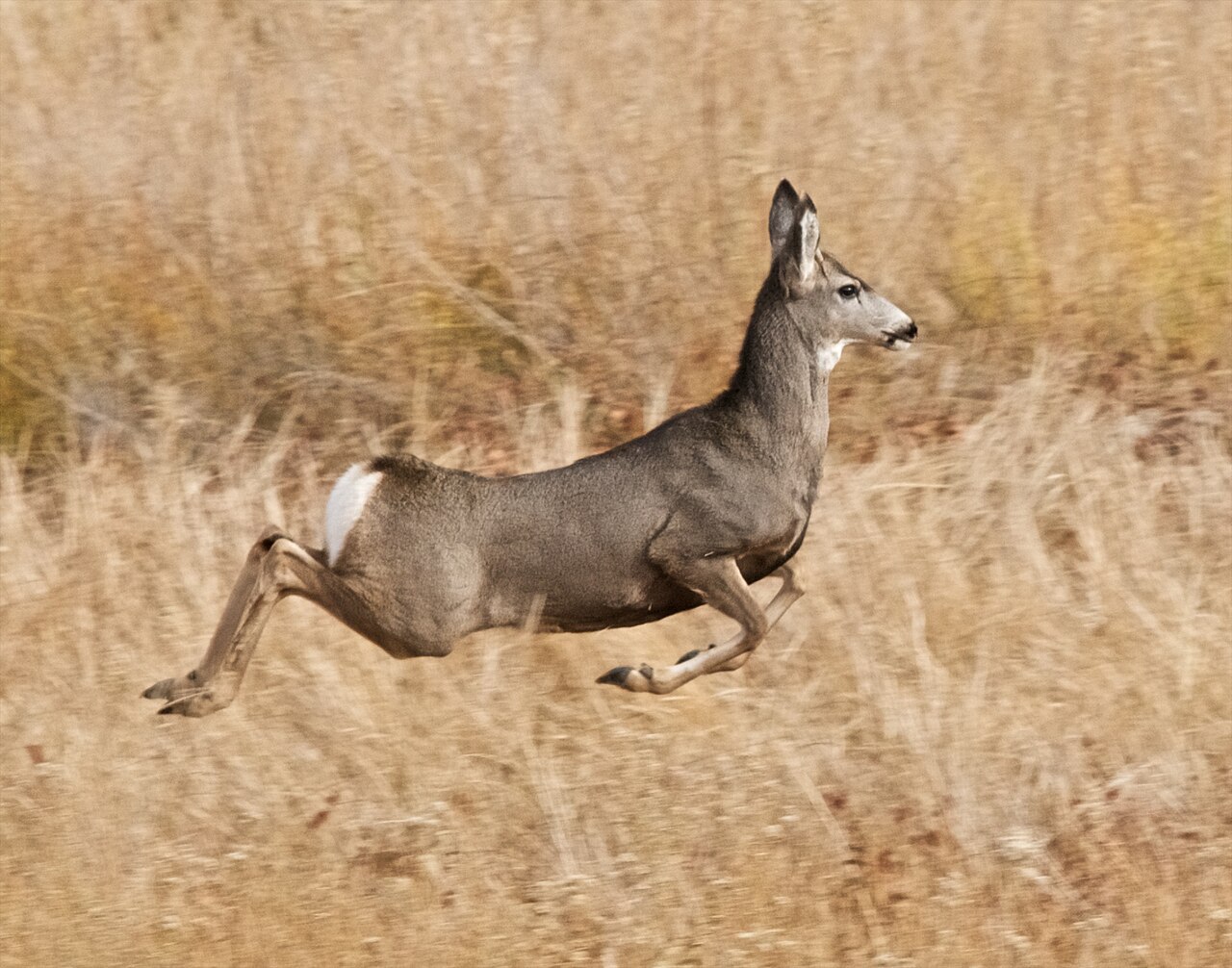
Mule deer typically have a grayish-brown coat that becomes more rufous in summer and paler in winter. Distinctive features include large ears, a relatively long and black-tipped tail in some coastal forms, and males bearing antlers that tend to fork repeatedly rather than forming a single main beam. Size and coloration vary with geography and subspecies. Comparison with the closely related white-tailed deer highlights differences in tail color, ear size, antler configuration and preferred habitats; see notes at white-tailed comparisons.
Distribution and habitat
Mule deer occur primarily west of the Missouri River and inhabit a wide range of habitats from low-elevation shrublands and sagebrush steppe to montane forests and alpine edges. Their range extends across much of the western United States, into parts of Canada and northern Mexico. Certain populations, notably some black-tailed deer along the Pacific coast, occupy coastal forests. Mule deer have also been introduced to other countries in limited numbers; historical introductions are documented at introduced populations. For regional distribution and habitat details consult western range, the Missouri River boundary context and the Rocky Mountains region resources.
Diet, migration and green-wave surfing
Mule deer are browsers and mixed feeders whose diet changes seasonally. They favor newly emerging spring vegetation—tender forbs and shoots—because these provide high-quality nutrients after winter. To take advantage of this pulse of nutrition, many mule deer populations undertake seasonal migrations timed to follow the progression of plant green-up across elevation and latitude gradients, a behavior often described as "green-wave surfing." These movements allow individuals to extend access to high-quality forage by moving to areas where spring growth is at the optimal stage. Researchers, including teams at the University of Wyoming, have shown that in wet years migrants may access spring forage for substantially longer periods than in drought years; further details are summarized at research findings and in studies of seasonal movement and the green wave.
Behavior, reproduction and predators
Mule deer are often crepuscular, being most active at dawn and dusk, though activity patterns vary with local conditions and human disturbance. The rut occurs in autumn when males compete for females through displays and occasional physical contests. Fawns are typically born in late spring and are hidden by the doe during their first weeks of life. Predators include coyotes, mountain lions, wolves and, in many places, humans. Predation, severe winters and food availability together influence population dynamics.
Subspecies, management and conservation
The species comprises multiple subspecies and local forms adapted to different environments; the black-tailed deer is a notable coastal form. Conservation and management issues include habitat loss and fragmentation, barriers to migration such as roads and fences, vehicle collisions, hunting regulation, and altered plant phenology from climate variability. Maintaining intact migration corridors, restoring habitat connectivity, reducing road mortality and adaptive harvest management are common recommendations promoted by wildlife agencies and conservation organizations. Management program examples and policy materials are available via management programs and regional ecology pages at regional ecology. Climate-driven changes in precipitation and temperature patterns are already affecting the timing and length of the spring green wave and are cited as an emerging threat; see climate impacts for discussion.
Human interactions and research priorities
Mule deer are valued for hunting and wildlife viewing but can also cause agricultural damage and be involved in vehicle collisions. Research priorities emphasize protecting migration corridors, quantifying population responses to phenological change, long-term monitoring, and assessing the effectiveness of mitigation measures such as wildlife overpasses and fencing modifications. For practitioners and the public, introductory materials and field resources are available at species overview, field guides and morphology and behavior resources.
- Identification tips: large ears, antler branching pattern, tail color and habitat preferences distinguish mule deer from other regional deer.
- Conservation focus: migration corridor protection, habitat restoration, reduction of road mortality and adaptive management to address climatic variability.
- Further reading: research summaries and management guidance can be consulted via links to research findings and agency portals listed above.
For practical guidance on local populations and regulations contact regional wildlife agencies or consult the detailed sources linked throughout this article, including species fact sheets at deer portals and regional management pages at management programs.
Related articles
Author
AlegsaOnline.com Mule deer: description, behavior, distribution, and conservation Leandro Alegsa
URL: https://en.alegsaonline.com/art/67421
Sources
- coueswhitetail.com : Tails with a dark side: The truth about whitetail–mule deer hybrids.