
Surfing: sport, technique, history and culture
Surfing is a wave-riding water sport with roots in Polynesia and Hawaii. This article explains equipment, wave types, basic technique, history, culture, competitions, safety and environmental concerns.
Overview
Surfing is a water sport in which a rider uses a board to catch and travel on the face of breaking waves toward the shore. It is most commonly practiced in the ocean, though coastal bays and the sea also offer surfable waves. People surf for recreation, fitness, competition and cultural expression. The activity ranges from short local sessions to professional contests on international tours.

Image gallery
10 Images







Equipment and basic technique
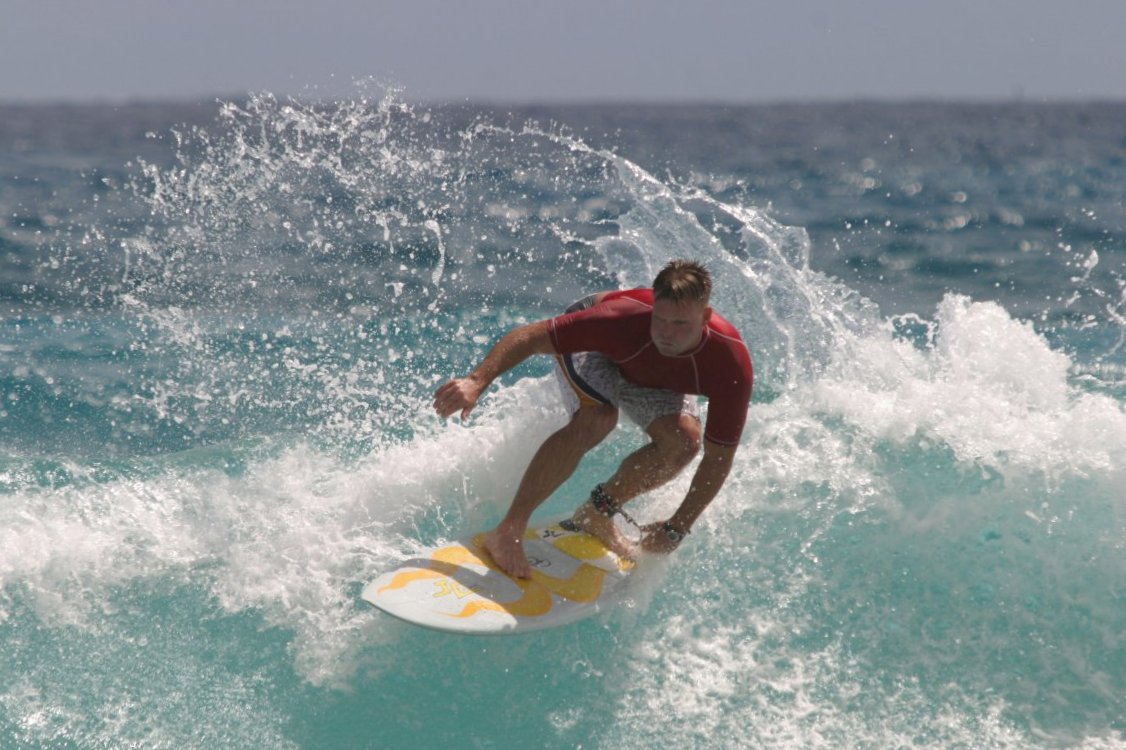
Modern surfing relies on a few core pieces of equipment. The surfboard supports the rider and is selected to match skill level, wave size and style. Boards vary widely in shape and materials, from long, stable boards for beginners to short, maneuverable boards for advanced riders. Riders usually wear a leash that keeps the board attached, and wetsuits in colder water.
- Common board types: longboard, shortboard, fish, funboard, and foam board.
- Wave assessment: surfers evaluate wave height, shape, and break to choose when and where to paddle.
- Basic moves: paddle to meet the wave, pop up to a standing position, and ride along the wave face.

Wave environments and conditions
Waves suitable for surfing form where ocean swells interact with the seafloor and coastline. Factors that influence surf conditions include swell direction and period, wind strength and direction, tides, and underwater topography (reef, point, or beach breaks). Understanding these elements is essential for both safety and performance.
History and origins
Surfing traces its roots to the islands of Polynesia, where wave riding was part of coastal culture for centuries and held social and spiritual significance. The practice remained central in the Hawaiian Islands and attracted wider attention from the 18th and 19th centuries onward. In the 20th century, materials and design advances—lighter woods, foam cores and fiberglass—transformed boards, while increased travel and media exposure spread surfing worldwide and led to organized competitions.

Culture, competition and variations
Surfing developed a distinct culture with regional styles, music, art and language. Competitive surfing evaluates turns, speed, power and creativity on a ride; professional events are held on international tours and local contests alike. Variations of wave riding include bodyboarding, stand-up paddleboarding (SUP), tow-in surfing for very large waves, and river surfing on standing river waves.
Safety, etiquette and environmental impact
Safety and respect are central to responsible surfing. Basic etiquette—taking turns, avoiding collisions, and yielding priority—reduces risk and conflict in crowded lineups. Surfers also contend with hazards such as strong currents, reefs, marine life and changing weather. Environmental awareness is common in the community: surfers often advocate for clean beaches, coastal protection and sustainable practices to preserve surf breaks for future generations.

For more information on regional surf spots, technique tutorials and historical background, consult local surf organizations and instructional resources such as guides to ocean conditions and safety from trusted authorities. See resources about the ocean and coastal areas at ocean resources, regional sea guides at sea guides, historical context on Polynesia, and popular Hawaiian surf locations like Oahu.
Related articles
Author
AlegsaOnline.com Surfing: sport, technique, history and culture Leandro Alegsa
URL: https://en.alegsaonline.com/art/95169