
Drought: causes, types, impacts and responses
Drought is a prolonged shortage of water relative to normal local conditions. This article explains types, causes, measurement, impacts on people and ecosystems, and options for mitigation and adaptation.
Drought is a prolonged period when an area receives substantially less precipitation than is typical, producing a shortfall of water for soils, plants, rivers and human use. It is a relative and regional phenomenon: what counts as a drought in one climate may be normal in another. Reduced rainfall over months or years can lower soil moisture, shrink reservoirs and reduce streamflow, leaving crops, livestock and communities vulnerable.
Image gallery
10 Images


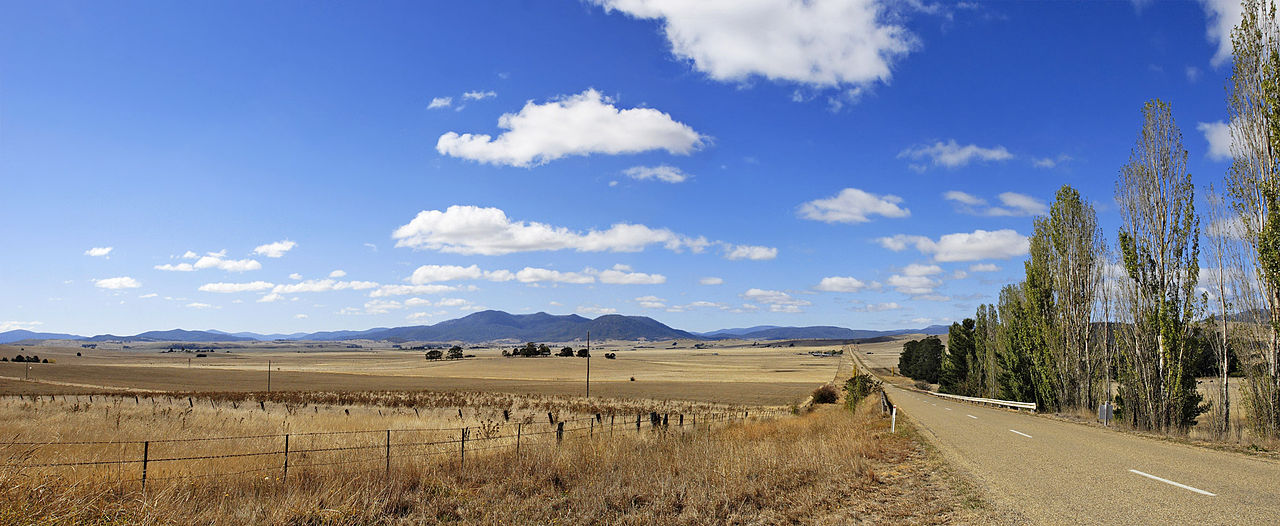


Types and characteristics
Practitioners distinguish several overlapping kinds of drought. Meteorological drought refers to a deficit in precipitation. Agricultural drought occurs when soil moisture is too low for crops and other plants to develop normally. Hydrological drought describes reduced water in rivers, lakes and groundwater. Socioeconomic drought emphasizes the gap between water supply and the needs of people and economies. All types develop gradually and can persist long after rainfall returns, making start and end dates difficult to define.
Causes and contributing factors
Droughts arise from natural variability in the atmosphere and oceans and can be amplified by human activities. Large-scale climate patterns such as El Niño and persistent high-pressure systems alter precipitation and are common meteorological drivers; more extreme events are linked to changing background climate conditions. Human land-use changes, notably deforestation and the removal of forest cover, can reduce local moisture recycling. Global warming increases evaporation and can shift rainfall patterns. Human water management — diverting rivers, intensive groundwater pumping or emptying lakes — can also turn reduced precipitation into severe water shortages.
Monitoring, measurement and classification
Drought is measured with indices that compare current conditions to long-term averages. Common indicators include precipitation anomalies, soil moisture estimates and streamflow or reservoir levels. Scientists and water managers combine such indicators into warning systems and maps to track the severity, extent and likely trajectory of a drought. Because impacts vary by sector, multi-indicator monitoring helps guide decisions about agriculture, municipal supplies and ecosystem management.
Impacts on people, nature and economy
Drought affects food production, freshwater availability and ecosystem health. Crops and pastures suffer from water stress and reduced yields, and water shortages limit irrigation and urban supplies. Wild and domestic animals may lose habitat and forage; many species are sensitive to prolonged moisture deficits. Severe droughts can create public health risks and make conditions dangerous for people and other land animals. Long-lasting drought is a known driver of famine in vulnerable regions and can contribute to economic losses, ecosystem decline and even conflict over scarce resources. Extended dry spells can accelerate desertification where degraded soils replace productive land.
Management, mitigation and adaptation
Responses combine short-term crisis actions and long-term planning. Emergency measures include water rationing, targeted aid to farmers and temporary transfers of supply. Longer-term strategies improve resilience: efficient irrigation, groundwater recharge, reforestation, demand management and diversified livelihoods. Planning at basin and community scales, supported by monitoring and early warning systems, reduces social and economic harm. Policies aimed at sustainable land use and limiting greenhouse gas emissions also address root causes.
Context and notable points
Drought is classified as a slow-onset natural disaster that often unfolds over seasons or years. Certain groups are more exposed — smallholder and subsistence farming communities often lack buffers and are disproportionately affected. Historical and cultural responses to drought vary widely; many societies have developed traditional water-storage, crop-choice and migration strategies. Scientific and policy attention has increased as climate variability and human demand change the frequency and impact of drought worldwide. For further background and technical resources, see regional monitoring pages and guidance documents linked below: health and hazard reports, climate event summaries and practical adaptation guidance at regional water resources and agricultural extension.
Questions and answers
Q: What is a drought?
A: A drought is a continuous period of dry weather, when an area gets less than its normal amount of rain, over months or even years.
Q: Why are droughts dangerous?
A: Droughts can become dangerous to people and other land animals; causing famine and even creating deserts.
Q: What is the origin of the word "drought"?
A: The word "drought" comes from the Old English drugað, drugoð "drought, dryness, desert," from Proto-Germanic *drugothaz, from Germanic root *dreug- "dry" (cf high/height) with *-itho, Germanic suffix for forming abstract nouns.
Q: What causes droughts?
A: A drought is a natural event, caused by other weather events like El Niño and high-pressure systems. Drought can also be triggered by deforestation, global warming, and by diverting rivers or emptying lakes.
Q: How does drought affect people and animals?
A: Droughts can cause famine and conflicts between people due to the lack of water and crops. Many people die every year in famines due to drought in subsistence farming areas.
Q: How long can the effects of a drought last?
A: The effects of drought often build up slowly over a long period of time and may last from months to years after rain resumes.
Q: What is the potential impact of drought?
A: Drought could become the next pandemic.
Related articles
Author
AlegsaOnline.com Drought: causes, types, impacts and responses Leandro Alegsa
URL: https://en.alegsaonline.com/art/29004
Sources
- commons.wikimedia.org : Drought
- online.wsj.com : Texas Is Ordered to Supply Water to Crane Habitat