
Muriqui (Brachyteles): Brazil’s woolly spider monkeys
Muriquis (genus Brachyteles) are the largest New World monkeys, endemic to Brazil's Atlantic Forest. Two species face severe decline from habitat loss and fragmentation; they are folivorous and unusually tolerant socially.
Overview
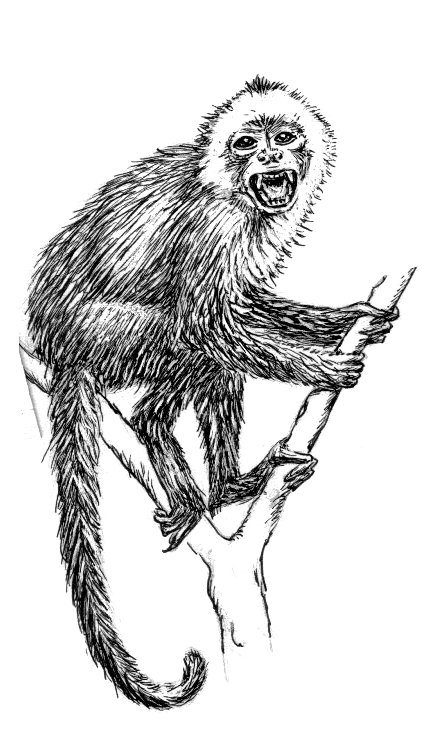
The muriquis are South American primates of the genus Brachyteles, commonly called woolly spider monkeys. Two species are recognized: the northern muriqui (B. hypoxanthus) and the southern muriqui (B. arachnoides). They are among the largest New World monkeys and occur only in remnants of the Atlantic Forest of eastern and southeastern Brazil. The common name "muriqui" derives from an indigenous Tupi word traditionally said to denote a very large monkey. Their ecological role and conservation status make them focal species for efforts to preserve Atlantic Forest biodiversity.
Image gallery
10 Images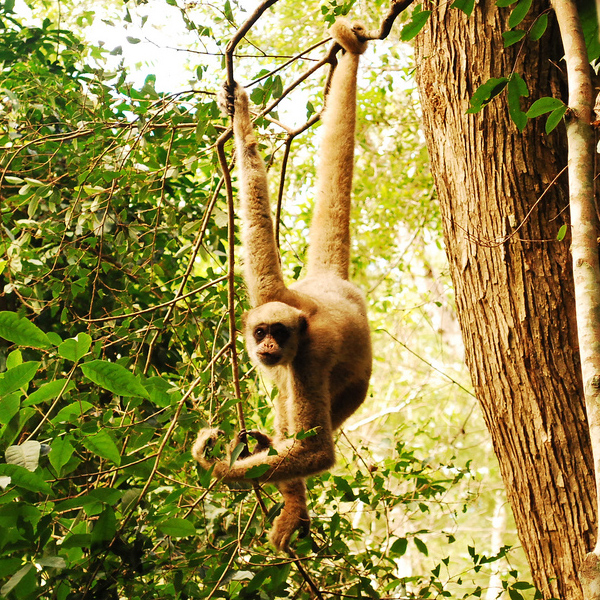




Taxonomy and evolutionary notes
Genus placement and the recognition of two species are based on morphology and genetic studies. Muriquis belong to the family Atelidae, which includes other prehensile-tailed primates. As canopy specialists with long limbs and a highly mobile tail, muriquis represent a distinct branch of Neotropical primate evolution adapted to life in tall forest canopies.
Description and anatomy
Adults typically have a body length in the range commonly reported for large New World monkeys and possess long, powerful prehensile tails that serve as an additional grasping limb. Fur coloration ranges from light brown to dark brown or black. The tail tip has reduced fur, improving tactile grip on branches. Limbs are long and slender, adapted for climbing and suspensory locomotion; fingers are long and dexterous. Sexual dimorphism in size exists but is modest compared with many Old World primates.
Locomotion and activity
Muriquis move through the canopy using a combination of quadrupedal climbing, deliberate reaching, and suspensory locomotion. Their tail is used actively for support and balance while feeding and moving between branches. Activity patterns are primarily diurnal; individuals spend most of their time in the forest canopy, where continuous pathways of foliage are important for safe travel and access to food.
Diet and feeding
These monkeys are largely folivorous and are adapted to digesting a high proportion of leaves, but they have a flexible diet that shifts with season and availability. In addition to leaves, muriquis consume fruit when available, as well as flowers and young shoots. They may also eat non-leafy items such as bark and bamboo, and they sometimes take ferns, small amounts of nectar and pollen. This dietary flexibility helps them cope with seasonal changes in food supply, although dense forest with high plant diversity supports larger populations.
Social behaviour and reproduction
Muriquis live in multi-male, multi-female groups that can range from a few individuals to several dozen. Group structure often shows fission–fusion dynamics: subgroups split and rejoin as animals search for food. They are notable for relatively low levels of aggression and more tolerant, affiliative social interactions than are typical for many primates. Dominance hierarchies are often weak, and social bonds, grooming and play are important parts of group life.
Reproduction follows mammalian patterns: females give birth to single infants after a gestation of several months, and parental care is primarily maternal. Infants cling to and are carried by their mothers in early months before gradually being weaned and becoming more independent. Age at first reproduction and interbirth intervals are influenced by nutritional and environmental conditions.
Distribution, habitat and threats
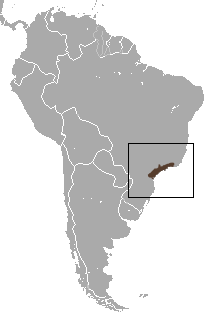
Both species are endemic to Brazil's Atlantic Forest, a biodiversity hotspot that has been extensively cleared and fragmented for agriculture, pasture and urban development. Habitat loss and fragmentation are the principal threats to muriquis, reducing available territory and isolating populations in forest fragments. Small population size increases vulnerability to stochastic events, disease and loss of genetic diversity. Hunting and incidental capture have affected some local populations, and ongoing human pressure on the landscape complicates conservation.
Conservation
The northern muriqui is among the most threatened primates and has received focused conservation attention; the southern species is also vulnerable in many areas. Conservation strategies include protection and expansion of forest reserves, restoration of habitat and the establishment of biological corridors to reconnect isolated fragments. Long-term field research, population monitoring, genetic studies and environmental education are central to recovery efforts. Local engagement, legal protection and reforestation projects help address the root causes of decline and promote coexistence between people and muriquis.
Research, cultural significance and notable facts
Muriquis have been the subject of many ecological and behavioral studies because of their unique social tolerance, canopy specialization and conservation urgency. They often serve as flagship species for Atlantic Forest conservation initiatives. Notable points include their reputation as "woolly spider monkeys" for their fur texture and arboreal behavior, their reliance on continuous canopy for movement and feeding, and their importance in seed dispersal when they consume fruit.
- Woolly spider monkeys have a highly prehensile tail that functions as a fifth limb.
- They show unusually tolerant social relations compared with many other primates.
- Habitat fragmentation is the leading cause of their population decline.
For further information and up-to-date assessments consult specialist primatology and conservation sources as well as protected-area management plans and scientific publications. Additional resources are available through institutional pages and conservation groups that monitor muriqui populations and work on habitat restoration and legal protection.
Questions and answers
Q: What is a muriqui?
A: A muriqui is a genus of New World monkeys, also known as woolly spider monkeys, consisting of two species: the southern and northern muriquis.
Q: What does the name "muriqui" mean?
A: The name "muriqui" comes from a native Tupi word meaning 'largest monkey'.
Q: Which species of muriqui is one of the most endangered monkeys in the world?
A: The northern muriqui is one of the most endangered monkeys in the world.
Q: Where are muriquis found?
A: Muriquis are only seen in some forests in Brazil.
Q: How long and how heavy is an adult muriqui?
A: An adult muriqui is 15-23 inches (38–58 cm) long and weighs from 10-20 pounds (4.5-9 kilos).
Q: What do muriquis eat?
A: Muriquis mostly eat leaves, but they also eat fruit and flowers in the rainy season, as well as bark, bamboo, ferns, nectar, pollen, and seeds.
Q: Do muriquis fight about their territory?
A: No, muriquis do not fight about their territory.
Related articles
Author
AlegsaOnline.com Muriqui (Brachyteles): Brazil’s woolly spider monkeys Leandro Alegsa
URL: https://en.alegsaonline.com/art/67640