
Muridae: overview of the largest family of rodents
Muridae is the largest family of mammals, including true mice, rats, gerbils and many relatives; it comprises hundreds of species distributed across Eurasia, Africa and Australia and has broad ecological and scientific importance.
The family Muridae is the largest family of mammals by number of species and encompasses a diverse array of small to medium-sized rodents. Members commonly called mice, rats and gerbils are among the best known of the group. In many treatments the family contains more than 700 described species, making it a major component of terrestrial vertebrate diversity. Muridae as the largest mammal family includes familiar genera such as the true mice and rats, and also groups commonly called gerbils and a variety of less familiar relatives.
Image gallery
4 Images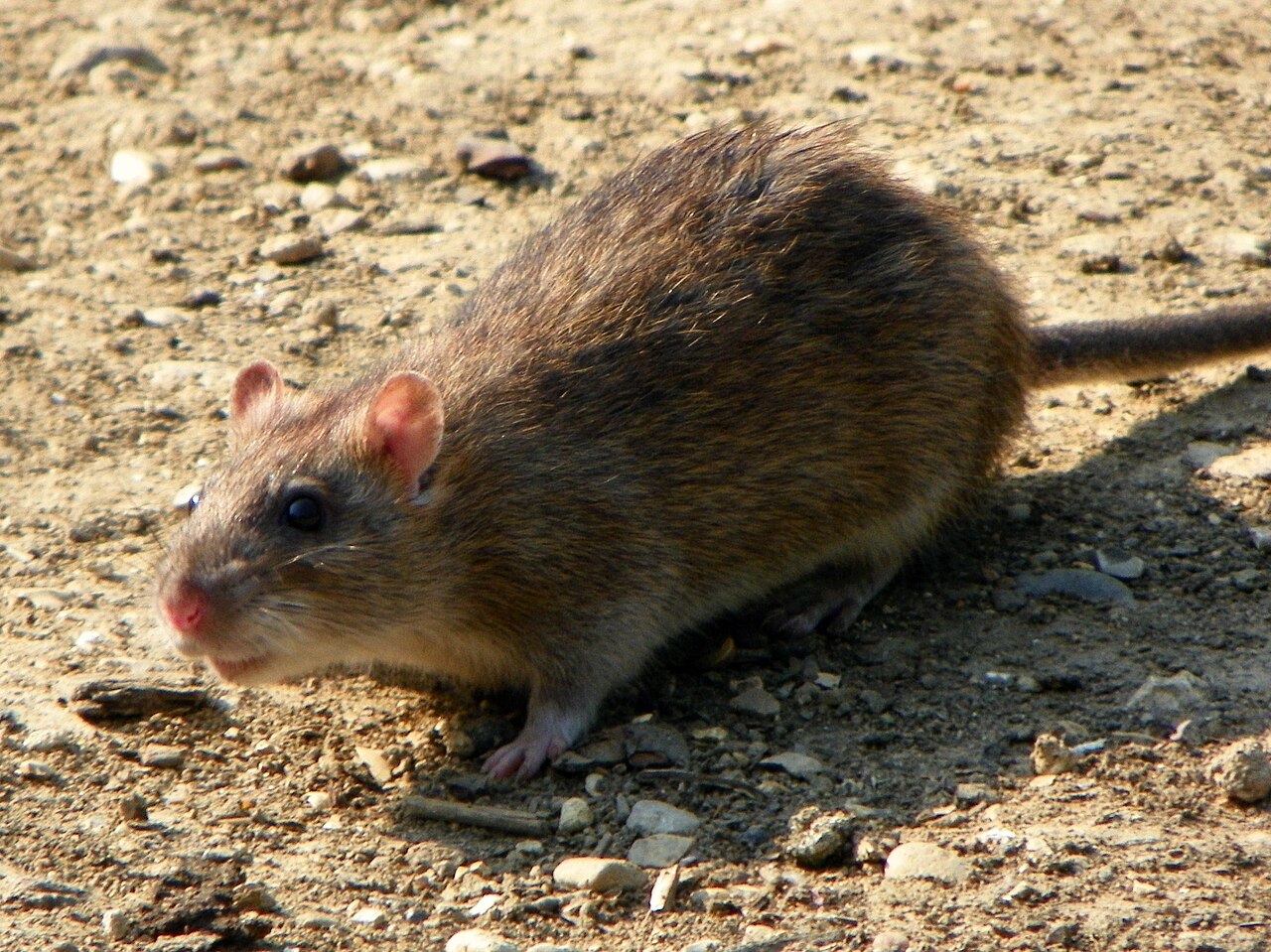


Physical characteristics and biology
Murids share a set of typical rodent features: a pair of continuously growing incisors in each jaw, a generally compact body, and adaptations for gnawing and rapid reproduction. Size, fur texture, tail length and limb proportions vary widely across species: some are adapted for burrowing, others for climbing or jumping. Many murids are omnivorous or opportunistic feeders and reproduce quickly, traits that have helped them colonize a range of habitats.
Classification and diversity
Modern classifications usually divide Muridae into several subfamilies and about 140 genera. Well-known subgroups include the Murinae (the Old World rats and mice) and the Gerbillinae (gerbils and relatives). Taxonomic boundaries have shifted as genetic studies refine relationships; the family name Muridae is sometimes used broadly to encompass much of the superfamily Muroidea, though many authorities prefer a narrower circumscription.
Distribution and habitats
Native murid species occur naturally across Eurasia, Africa and Australia, occupying ecosystems from deserts and grasslands to forests and urban areas. Human activity has spread several species worldwide: house mice and brown rats are now widespread on all continents with human settlement. Their ecological roles vary — some are seed dispersers and prey for predators, while others act as agricultural pests.
Human interactions and importance
- Research: The house mouse and laboratory rat are fundamental model organisms in biology and medicine.
- Economic effects: Some murids cause crop damage, food contamination and infrastructure problems when they infest buildings.
- Health: Certain species can carry pathogens of zoonotic concern and have been implicated historically in disease transmission.
Practical and conservation concerns often require distinguishing pest species from those that are rare or endangered; management strategies range from habitat modification to targeted control.
Origins, fossil record and notable facts
Murids have a substantial evolutionary history with a fossil record that documents diversification across continents. The family's sheer number of species and ecological variety make it an important subject in studies of biogeography, evolution and human ecology. Contemporary accounts typically report the family as comprised of four principal subfamilies and roughly 140 genera, though ongoing research continues to refine that picture. For general context on broad classifications see gerbil and related group descriptions and comparative resources on rat biology.
Questions and answers
Q: What is Muridae?
A: Muridae is the largest family of mammals that includes over 700 species naturally found throughout Eurasia, Africa, and Australia.
Q: What are some of the animals included in Muridae?
A: The group includes true mice and rats, gerbils, and relatives.
Q: Where can Muridae species be found?
A: Muridae species can be found naturally throughout Eurasia, Africa, and Australia, but they have been introduced worldwide.
Q: How many subfamilies are Murids classified in?
A: Murids are classified in four subfamilies.
Q: How many genera are included in Muridae?
A: About 140 genera are included in Muridae.
Q: Can the term Muridae be used in a broader sense?
A: Yes, the family name Muridae is sometimes used in a broader sense to include all members of the superfamily Muroidea.
Q: What is the Muridae superfamily?
A: The Muridae superfamily is Muroidea, which includes all members of the broader sense of the Muridae family.
Related articles
Author
AlegsaOnline.com Muridae: overview of the largest family of rodents Leandro Alegsa
URL: https://en.alegsaonline.com/art/67633
Sources
- itis.gov : Muridae on ITIS