
Munchkin cat
A domestic cat breed notable for unusually short legs caused by a genetic mutation. Small-to-medium size, playful temperament, varied coat types, and a history of both recognition and controversy in the cat community.
Overview
The Munchkin cat is a domestic cat breed characterized most visibly by shortened limbs. These cats are small to medium in build, typically weighing roughly 4–9 pounds, and are bred for the distinctive short-legged appearance produced by a natural genetic mutation rather than by dwarfism caused by illness.
Image gallery
3 Images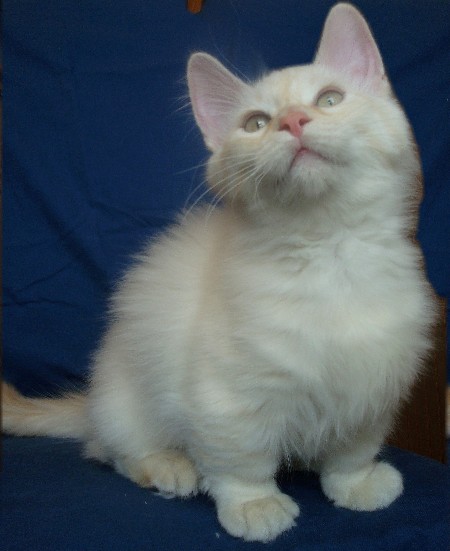

Physical characteristics
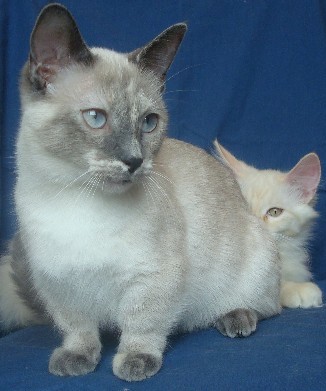
Munchkins display a normal-sized torso with proportionally short legs. Coat length, color and pattern vary widely; both long- and short-haired varieties exist. Their gait may look lower to the ground but many Munchkins move briskly, run and jump with surprising agility given their stature.
Temperament and care
These cats are generally described as outgoing, playful and people-oriented. They often adapt well to indoor life and to families with children or other pets. Standard cat care applies: balanced nutrition, enrichment for activity, routine veterinary checks and attention to joint health and weight to reduce strain on the spine and limbs.
History, recognition and debate
Munchkins first drew public attention in the late 20th century when short-legged cats were selectively bred. Some international feline registries recognize the type as a breed, while others have expressed reservations. The trait is caused by a dominant genetic variant; breeding practices are closely scrutinized because certain pairings can increase the risk of severe skeletal problems. For that reason, ethical breeders follow guidelines to minimize health risks.
Notable facts
- The short-legged trait is heritable and appears in many coat types.
- The breed's popularity stems from its distinctive look combined with a lively personality.
- Medical and ethical discussions about the breed focus on welfare, responsible breeding and long-term health monitoring.
Munchkins remain a distinct and recognizable cat type: appealing to many owners for their unusual proportions and friendly demeanor, yet also a subject of ongoing welfare discussion among veterinarians, breeders and feline registries.
Related articles
Author
AlegsaOnline.com Munchkin cat Leandro Alegsa
URL: https://en.alegsaonline.com/art/67513
Sources
- catbreedslist.com : "Munchkin cat - Information, Characteristics, Facts, Names"
- munchkincatguide.com : "How Much Does a Munchkin Cat Cost? - Let Me Show You With Examples"
- vetstreet.com : "Munchkin Cat Breed Information"
- kittentoob.com : "The Best Ways to Take Care of Munchkin Cats"