
Molecular cloud
A molecular cloud is a cold, dense region of the interstellar medium where molecules—chiefly H2—form; these clouds host star formation and are studied through dust, infrared and radio tracers such as CO.
Overview
A molecular cloud is a region of the interstellar medium where conditions permit the formation and survival of molecules. Because they are colder and denser than their surroundings, these clouds are the principal reservoirs of molecular hydrogen (H2) in galaxies and are the primary sites of new star formation.
Image gallery
10 Images




Structure and composition
Molecular clouds have higher density and lower temperatures than diffuse interstellar gas, allowing atoms to combine into stable molecules. The most abundant molecule is molecular hydrogen, but it is usually accompanied by traces of other species and dust grains that help shield the interior from ultraviolet radiation.
- Typical constituents: H2, helium, dust, and trace molecules
- Temperature: generally cold (tens of kelvin)
- Internal structure: clumps, filaments and cores where gravity can dominate
Detection and observational tracers
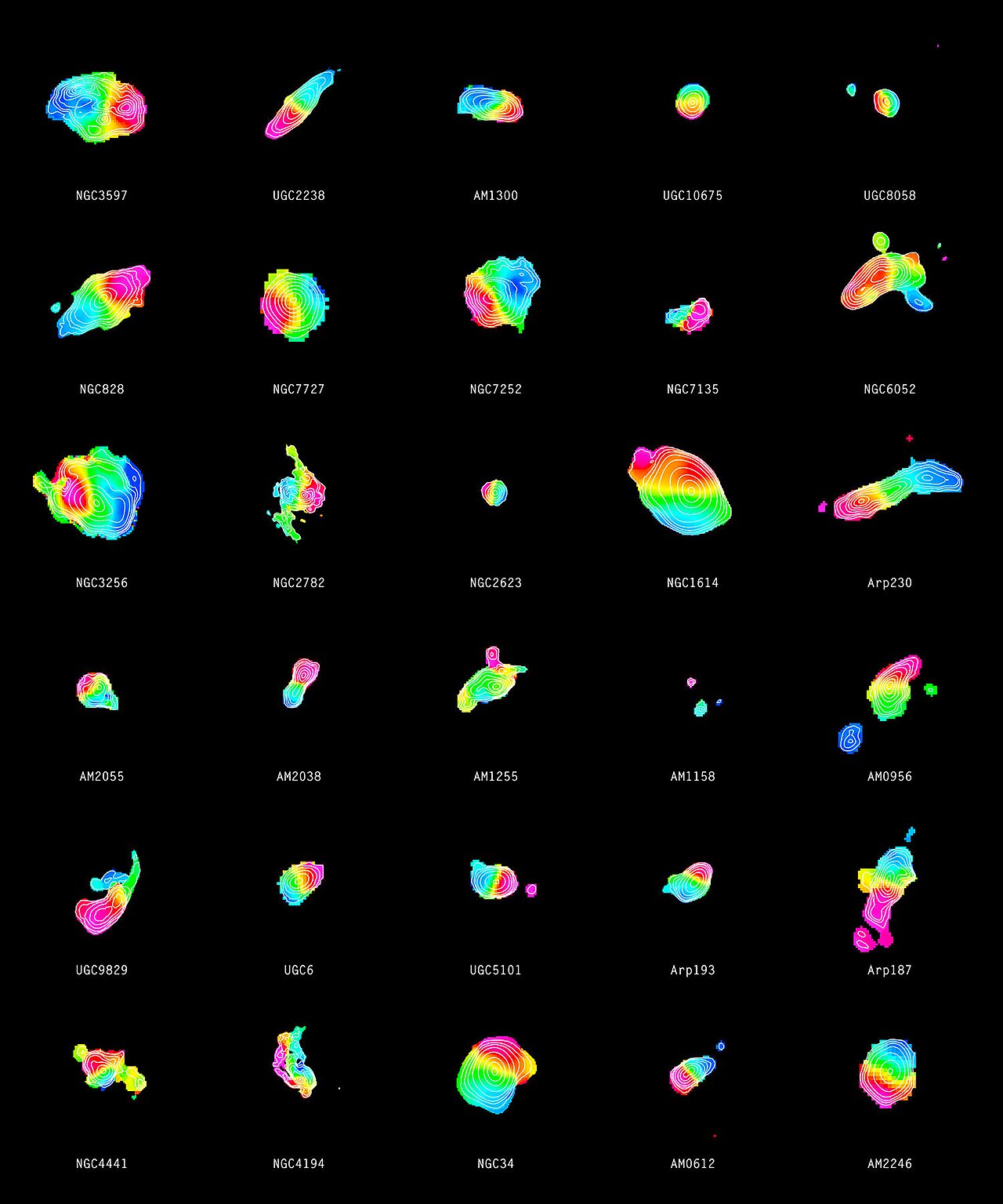
Because H2 emits weakly under the cold conditions in these clouds, molecules with stronger emission are used as tracers. Carbon monoxide (CO) is the most common tracer; its rotational transitions fall in the radio range and are relatively bright. Astronomers rely on a combination of methods—far-infrared dust emission, near-infrared extinction, and radio spectroscopy—to map molecular material:
- Infrared observations reveal warm dust and embedded young stars.
- Radio telescopes detect rotational lines of CO and other molecules.
- Optical and near-infrared surveys trace how dust blocks background starlight.
These tools are applied by astronomers to infer H2 distributions indirectly and to study cloud kinematics and chemistry.
Role in star formation
Regions within molecular clouds that become gravitationally unstable can collapse to form stars and stellar systems. Dense cores inside clouds are the immediate precursors to protostars; feedback from newborn stars (winds, radiation, and supernovae) then alters the parent cloud and can trigger or inhibit further collapse.
Varieties, history and notable facts
Molecular clouds range from small dark clouds and Bok globules to giant molecular clouds (GMCs) that span large fractions of a galaxy's disk. They were identified as a distinct class of interstellar object with the advent of radio and infrared astronomy in the mid-20th century. Important practical facts include the reliance on indirect tracers like CO because H2 is difficult to detect directly, and the observational role of dust in revealing hidden structure.
Understanding molecular clouds is essential to astronomy because they regulate the conversion of gas into stars and shape the chemical evolution of galaxies. For further reading and data resources see relevant survey projects and spectral line catalogs (interstellar studies, density and structure, molecular chemistry, observational methods, infrared surveys, radio facilities, CO surveys).
Related articles
Author
AlegsaOnline.com Molecular cloud Leandro Alegsa
URL: https://en.alegsaonline.com/art/65857