
Month: calendar unit, lunar origin, and modern uses
A month is a common calendar unit roughly one twelfth of a year. It originated from the Moon's phases and appears in lunar, lunisolar, and solar calendars with varying definitions and lengths.
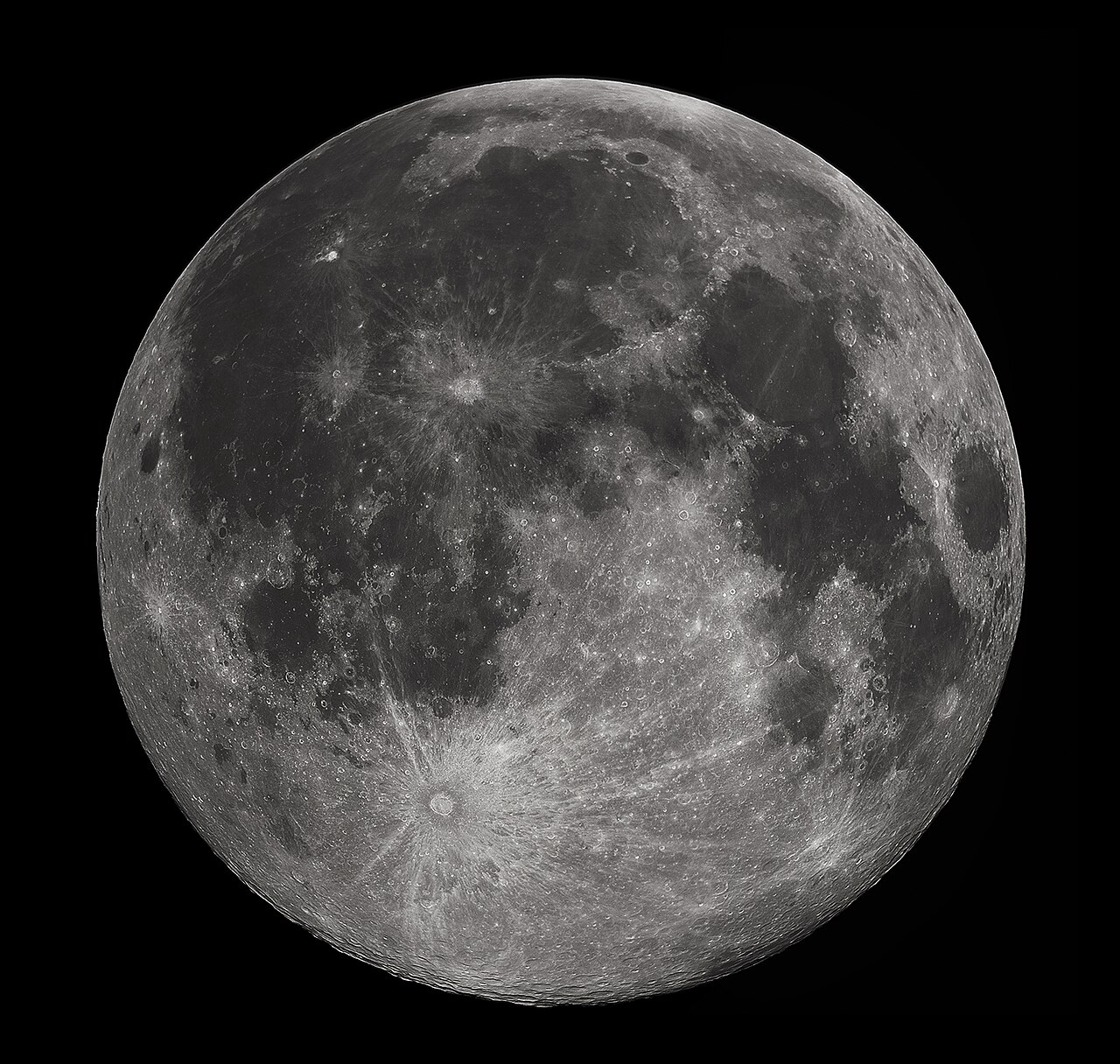
A month is a familiar unit of time used in calendars around the world. In its most general sense it represents roughly one twelfth of a year, but the precise length and basis of a month vary by system. The concept grows out of observations of the Moon and its cycle of phases, and it now appears in many civil and religious calendars as a primary division of the year. For an introduction to the idea of months as time units see unit of time.
Image gallery
4 Images


Definitions and characteristic lengths
Different technical definitions are in use:
- Synodic month — the interval between similar lunar phases as viewed from Earth, about 29.5 days on average; this underpins lunar calendars.
- Sidereal month — the Moon's orbital period measured against the stars, roughly 27.3 days; used in some astronomical contexts (synodic vs sidereal distinctions).
- Calendar month — a unit on civil calendars whose length is set by convention; for example the months of the Gregorian calendar range from 28 to 31 days.
History and development
Early societies tracked months by the visible progression of lunar phases. Many ancient calendars were lunar or lunisolar: they combined lunar months with occasional extra months to keep seasons aligned. The Roman calendar evolved into the 12-month structure familiar today and, after reforms culminating in the adoption of the Gregorian calendar, fixed month lengths were standardized for civil use. Solar-based systems focus on the position of the Sun and ignore a direct lunar basis.
Uses and cultural importance
Months organize civic life, commerce, agriculture and religious observance. Religious festivals and fasts are often tied to particular months in lunar or lunisolar calendars, while fiscal quarters and subscription cycles commonly use calendar months. Modern scientific and legal contexts distinguish carefully among the various month concepts used by astronomers, historians and lawmakers — see general information about calendars for background.
Types and notable distinctions
- Lunar calendars: base years on 12 synodic months and are shorter than the solar year without intercalation.
- Lunisolar calendars: insert leap months to align lunar months with the solar year and seasons.
- Solar calendars: use fixed months tied to the Earth’s orbit around the Sun and ignore lunar phases for civil reckoning.
Practical matters — such as the variable number of days in a calendar month, the need for leap days or months, and the difference between astronomical and civil definitions — make the term "month" flexible. For further technical or historical reading see related resources at time units, calendar overviews at calendars, and introductory material about lunar cycles at synodic period, the Moon and lunar calendars. Additional context on solar reckoning appears under solar concepts and the Gregorian calendar.
Related articles
Author
AlegsaOnline.com Month: calendar unit, lunar origin, and modern uses Leandro Alegsa
URL: https://en.alegsaonline.com/art/66377