
Moon landing: history, technology, and significance
Arrival of a spacecraft on the Moon's surface, covering crewed and robotic landings, key missions, technology, scientific goals, and historical milestones from Luna 2 to Apollo and modern programs.
Overview
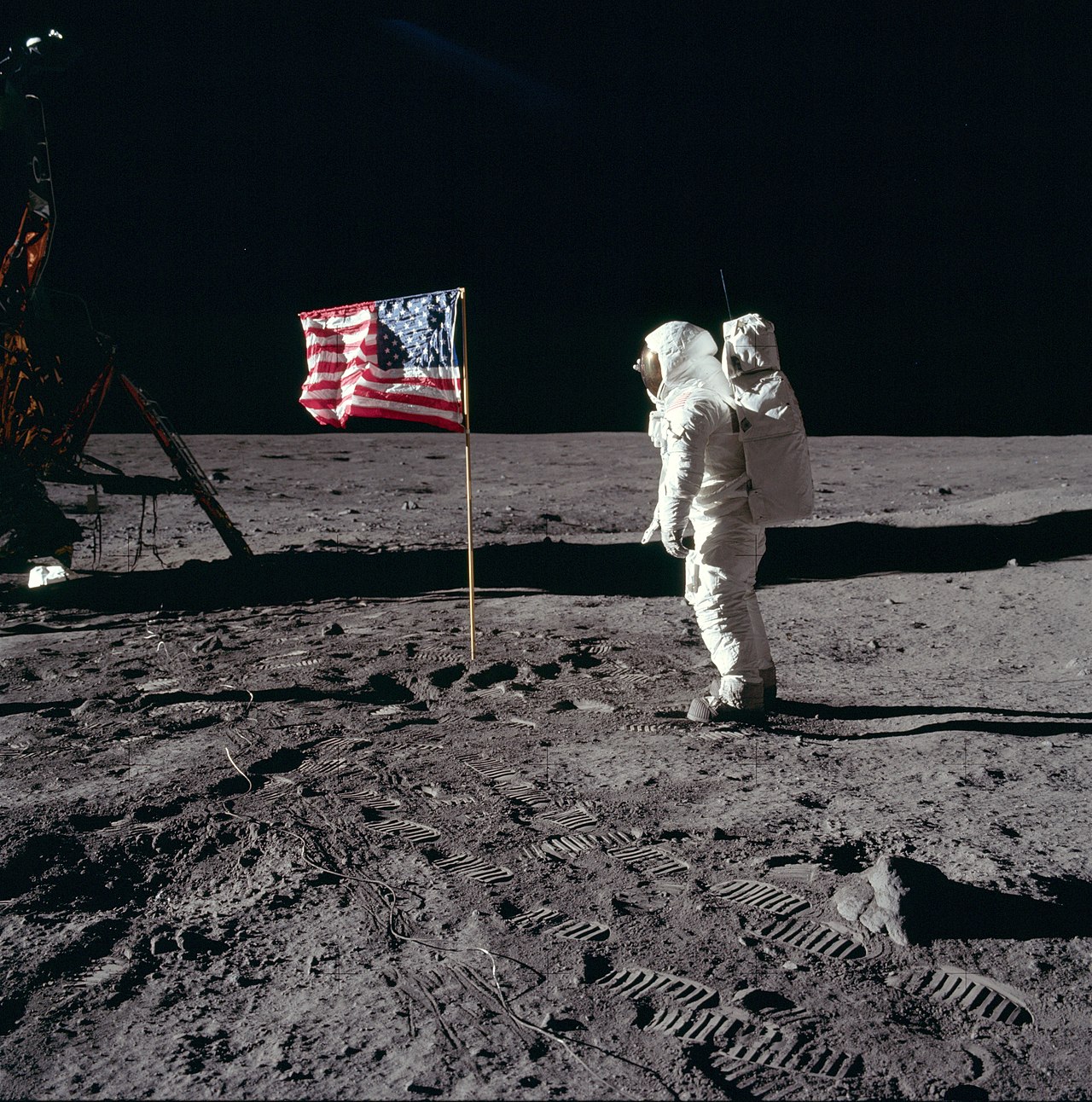
A Moon landing is the controlled arrival of a human-made spacecraft on the surface of Earth's natural satellite. The term covers both crewed missions that carry people and uncrewed robotic missions that land instruments or return samples. In common usage it distinguishes soft landings, where a vehicle survives intact and can operate, from hard impacts that terminate the craft on contact. Early milestones include the Soviet impactor Luna 2 and the first crewed touchdown by Apollo 11.
Image gallery
10 Images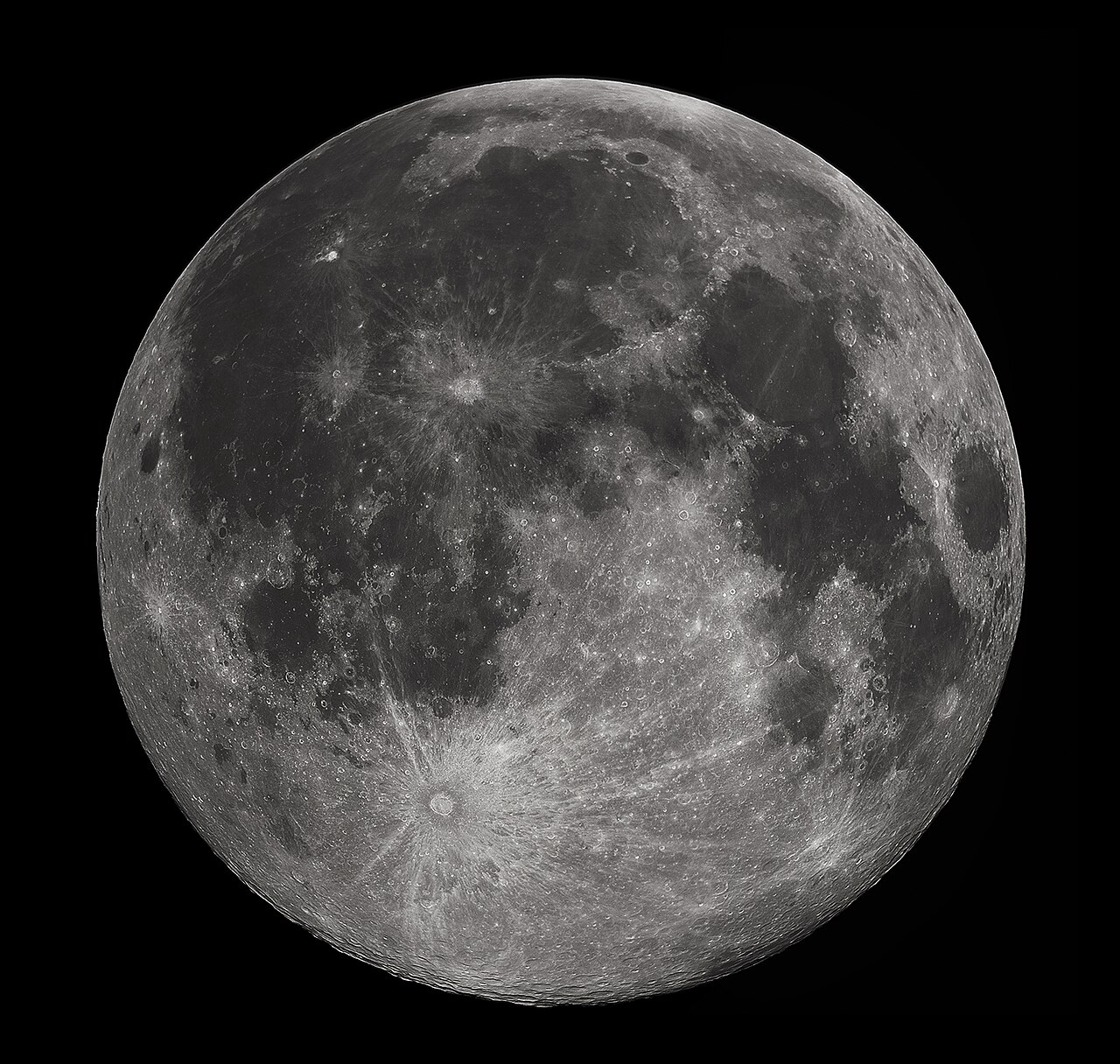





Key components and mission phases
Typical Moon landing missions require several distinct elements: spacecraft capable of precision descent and ascent, guidance and navigation systems, propulsion for braking and liftoff, communication links, and scientific payloads. Many missions break the task into stages such as lunar transfer from Earth orbit, powered descent to the surface, on-site operations (which may include roving or sample collection), and, for crewed missions, ascent and return.
- Soft lander: a vehicle designed to touch down gently and remain functional.
- Imactor: a probe intended to strike the surface for measurements.
- Sample-return: missions that collect and deliver lunar material back to Earth.
- Rover-equipped: landers that carry vehicles to traverse local terrain.
History and development
The sequence of lunar exploration reflects both scientific ambition and geopolitical competition. The Soviet Union achieved the first human-made contact with the Moon when Luna 2 struck the surface on 13 September 1959. Over the next decade programs evolved, culminating in the United States' Apollo program: Apollo 11 landed astronauts on 20 July 1969, followed by five more crewed landings through 1972. Between those crewed missions and numerous robotic attempts, nations and agencies refined techniques for site selection, hazard avoidance, and long-duration surface operations.
Scientific and practical importance
Moon landings enable direct scientific study of lunar geology, geophysics, and the history of the Solar System. Returned samples have been central to understanding the Moon's origin and evolution. Operationally, landings test technologies for precision extravehicular activity, life support, resource prospecting, and long-duration habitation — all relevant to future exploration beyond the Moon.
Types, examples and notable milestones
Moon landing missions can be categorized as crewed or uncrewed, soft or hard, and single-visit or sustained operations. Examples include early impactors and orbiters, robotic soft landers that deployed instruments, and crewed missions that carried people to walk on the surface. The first human-made object to reach the lunar surface was from the Soviet Union, while the first human landing was accomplished by a program in the United States. Missions may be described in public records as part of national programs such as spacecraft initiatives or international collaborations focused on scientific goals.
Distinctions, gaps, and future plans
Distinctions worth noting include the difference between landing and returning, and between landing a stationary probe versus a crewed ascent/descent system. After a period with no soft landings from 1976 until the 21st century, robotic missions resumed soft touchdowns — a trend that continues as multiple nations and commercial entities plan new landings. Contemporary programs emphasize long-term presence, sample return, and preparatory work for human missions beyond low Earth orbit. For further technical summaries and mission lists see related resources on the Moon and lunar exploration (surface, Moon, uncrewed).
Notable last facts: the last person to walk on the lunar surface as of the 20th century was Gene Cernan during the final Apollo mission in 1972. The record of lunar landings is a mix of scientific achievement, engineering ingenuity, and international endeavor.
Questions and answers
Q: What is a Moon landing?
A: A Moon landing is the arrival of a spacecraft on the surface of the Moon.
Q: When did the first man-made object reach the surface of the Moon?
A: The first man-made object to reach the surface of the Moon was the Soviet Union's Luna 2 mission on 13 September 1959.
Q: When did the United States' Apollo 11 land on the Moon?
A: The United States' Apollo 11 was the first crewed mission to land on the Moon on 20 July 1969.
Q: How many missions with people aboard have landed on the Moon?
A: There were six missions with people aboard that landed on the Moon between 1969 and 1972.
Q: Has any country other than the United States successfully landed humans on the Moon?
A: No, to date, the United States is the only country to have successfully landed humans on the Moon.
Q: When was the last human mission to the Moon?
A: The last human mission to the Moon was in December 1972.
Q: Who was the last human to walk on the Moon?
A: The last human to walk on the Moon was Gene Cernan.
Related articles
Author
AlegsaOnline.com Moon landing: history, technology, and significance Leandro Alegsa
URL: https://en.alegsaonline.com/art/66538
Sources
- nssdc.gsfc.nasa.gov : "Luna 2"
- nasa.gov : NASA Apollo 11 40th anniversary