
Fishing trawler
A fishing trawler is a commercial vessel that deploys trawl nets to harvest fish and shellfish. Article covers types, gear, history, operations, uses, and environmental and regulatory issues.
Overview
A fishing trawler is a commercial vessel designed to tow one or more fishing nets, called trawls, through the water to catch fish and other marine species. Trawlers operate at different depths and speeds depending on target species and gear: some tow nets along the seabed while others fish in midwater. The term covers a wide range of sizes and designs, from small coastal boats to large factory trawlers with processing capacity onboard. Many modern trawlers are integral to industrial-scale commercial fishing.
Image gallery
10 Images



Design and gear
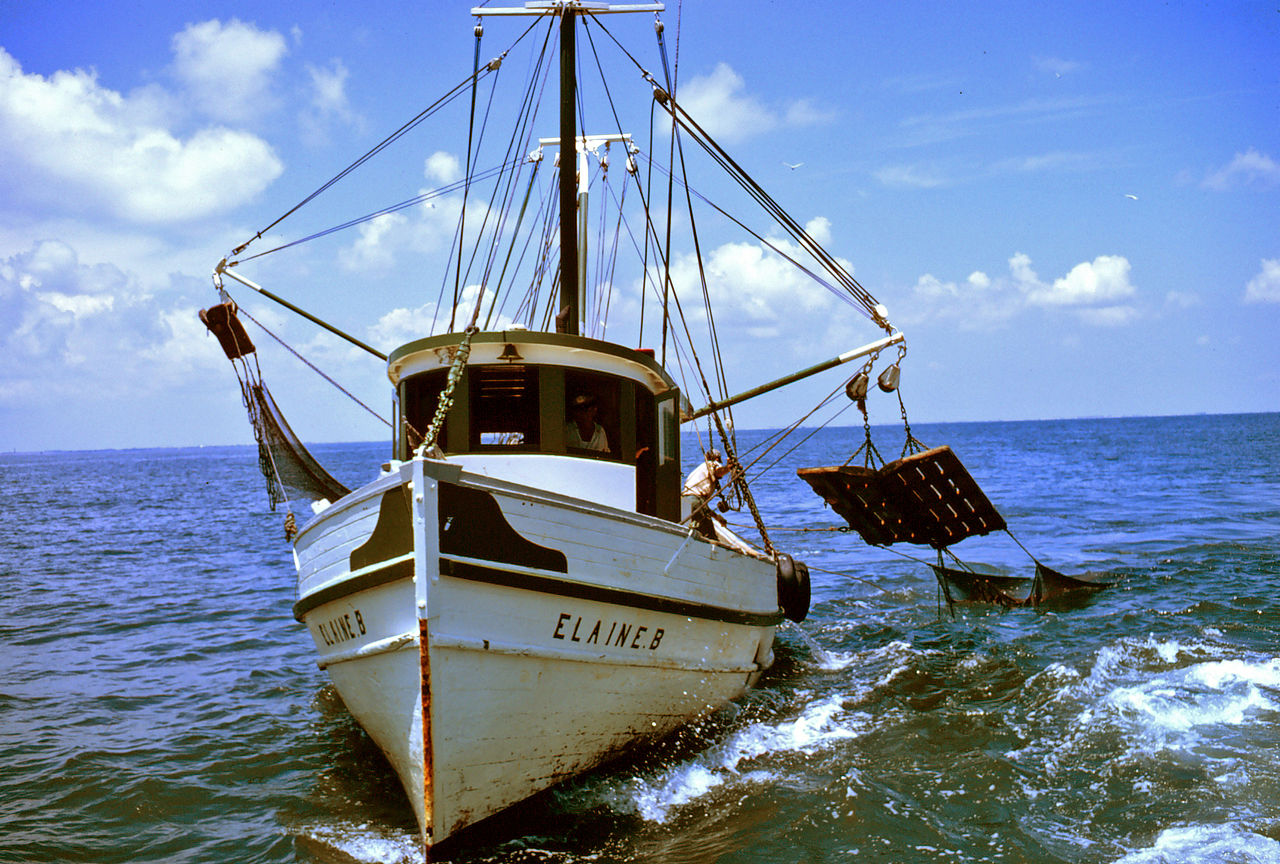
Trawlers are built to carry heavy nets and their winching systems, and often include reinforced hulls and powerful engines to tow gear. Common components and gear include:
- Trawl net: conical or bag-shaped fabric that funnels fish to a closed end (codend).
- Otter boards or doors: hold the net open laterally while towing.
- Trawl winches and warps: manage the cables that deploy and retrieve gear.
- Sorting and processing areas: ranging from simple decks for gutting to full factory lines on large vessels.
Types and operations
Trawling methods vary. Bottom or demersal trawling targets species near the seabed, such as cod and flatfish, while pelagic or midwater trawling targets schooling species like herring and mackerel. Pair trawling uses two vessels to tow a single net between them, increasing net spread without heavy doors. Trip length, crew size, and onboard facilities depend on the vessel's range and whether it processes catches at sea.
History and development
Fishing trawling developed from small-scale methods into mechanized fleets with the adoption of steam and later diesel power, which allowed larger nets and longer voyages. Over the twentieth century, advances in materials, navigation, sonar and winch technology increased efficiency and catch capacity, transforming coastal fisheries into global commercial industries.
Uses, importance and impacts
Trawlers supply a substantial share of the world’s seafood, harvesting species used for direct human consumption, processing, and industrial products such as fishmeal. However, trawling—especially bottom trawling—can cause habitat disturbance and high levels of bycatch. These concerns have prompted gear innovations (bycatch reduction devices, turtle excluders), area closures, and regulatory measures to manage stocks and reduce environmental harm.
Distinctions and notable facts
Fishing trawlers differ from other commercial vessels like purse seiners and longliners by the type of net and continuous towing method. They remain highly versatile and widely used, but their operations are subject to international and national rules aimed at sustainable fishing and mitigating ecological effects.
Related articles
Author
AlegsaOnline.com Fishing trawler Leandro Alegsa
URL: https://en.alegsaonline.com/art/34646