
Persian Gulf
A shallow, strategically vital gulf between Iran and the Arabian Peninsula known for oil resources, shipping routes, rich marine life and a longstanding naming dispute.
The Persian Gulf is a broad inlet of the Indian Ocean lying between the southern coast of Iran and the Arabian Peninsula. It forms a strategic marine corridor linking the Gulf of Oman through the Strait of Hormuz to the Arabian Sea. Geographically and politically the area plays an outsized role in regional trade, energy exports and maritime security for the geographical region of the Middle East.
Image gallery
10 Images





Characteristics and geography
The gulf is relatively shallow compared with open oceans and is fed by a small number of rivers, which—combined with strong evaporation—produce water with higher salinity than typical oceanic values. It opens eastward into the Gulf of Oman and is bounded by several coastal states. Important geographical and political neighbors include:
- Iran to the north.
- Iraq, Kuwait, Saudi Arabia, Bahrain and Qatar along the western and northern shores.
- United Arab Emirates and the Musandam exclave of Oman along the southern shores of the gulf and its approaches on the Arabian Peninsula (Arabian Peninsula).
History, naming and identity
The waters and coasts of the gulf have been inhabited and traded across for millennia. Prior to oil development, coastal communities relied heavily on fishing, seafaring and pearl diving; natural pearl oysters remain an emblematic resource of the area (pearls). The gulf’s name is a matter of international sensitivity. The traditional and widely used name in many languages is the "Persian Gulf" (Persian: khalīj-e Fārs), but some Arab states prefer terms that emphasize their regional identity. Efforts to protect and standardize the name have appeared in international fora; for example, Iran pursued a registration related to the name under the Lisbon Agreement at the World Intellectual Property Organization (WIPO).
Economic and strategic importance
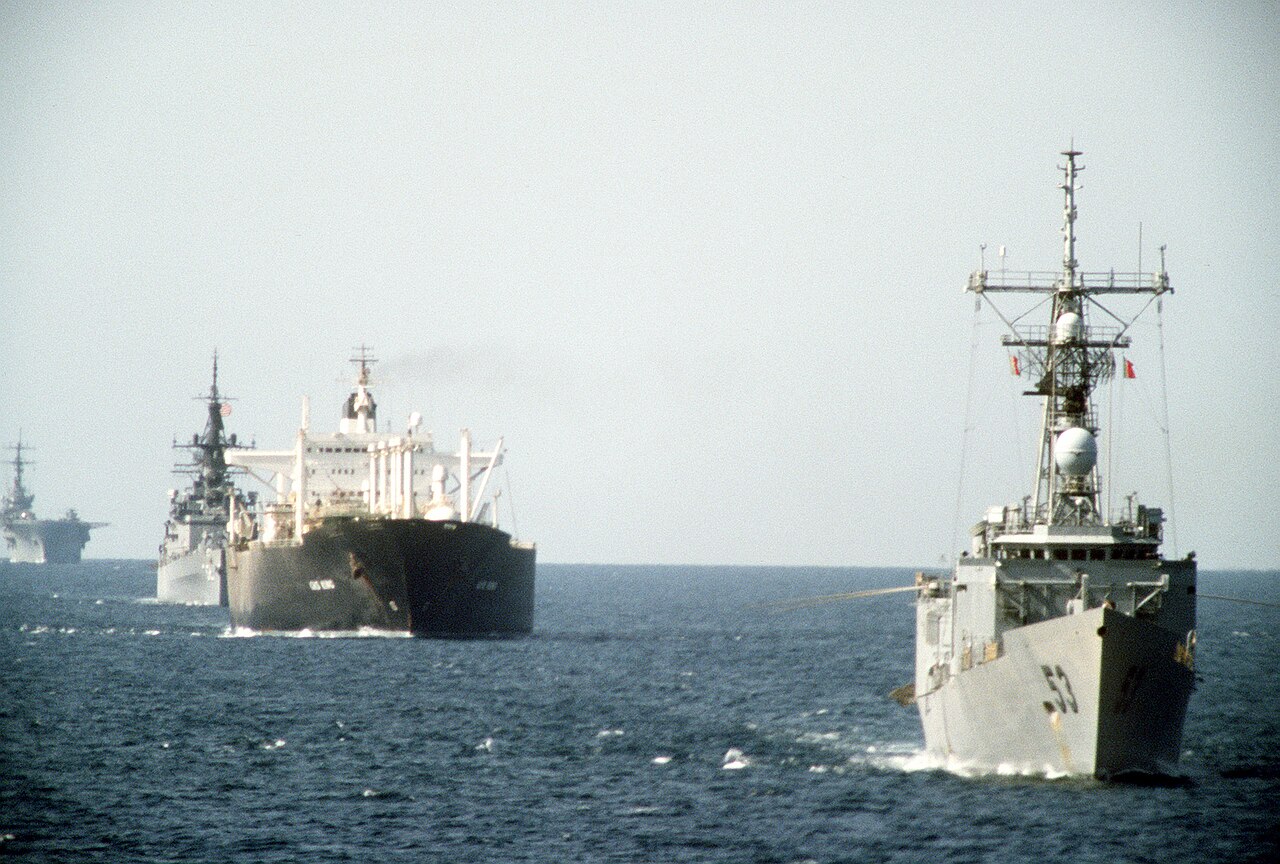
The Persian Gulf basin contains large hydrocarbon reserves and hosts dense networks of oil and gas export facilities. As a result, a significant fraction of the world’s seaborne oil passes through the Strait of Hormuz at the gulf’s eastern end, making maritime security a high priority for bordering states and global shipping. The gulf has been an arena for military confrontations and disruptions to shipping, including attacks on tankers during the 1980s Iran–Iraq conflict and heightened hostilities linked to Iraq’s invasion of Kuwait in 1990–1991.
Environment and conservation
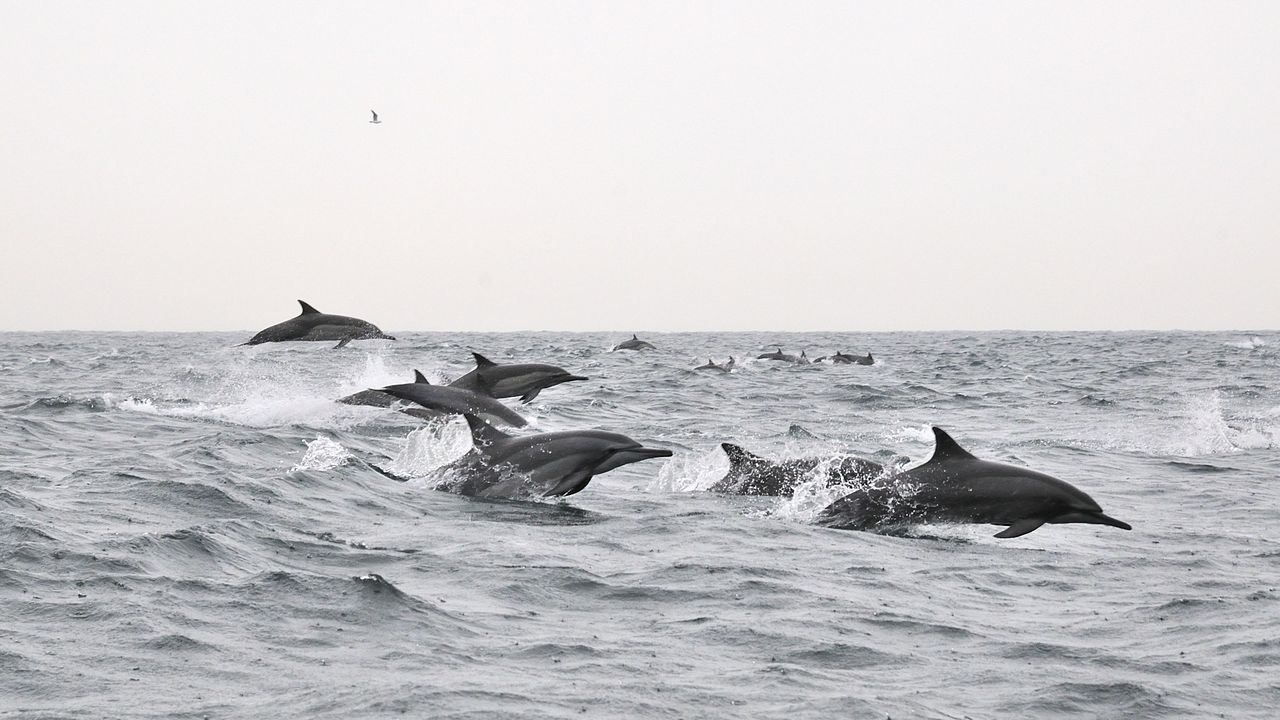
Despite its economic development, the Persian Gulf supports biologically rich habitats: seagrass beds, coral communities and diverse fish populations. These ecosystems face challenges from coastal urbanization, oil spills, desalination discharge, warming seas and habitat disturbance. Conservation initiatives by regional and international partners aim to monitor and protect vulnerable marine areas and traditional livelihoods such as fishing and pearl harvesting.
Notable facts
- The gulf has long been a center of maritime commerce and cultural exchange between Asia, Africa and the Arabian Peninsula.
- Control of shipping lanes and export infrastructure in the gulf remains central to global energy markets and regional security policy.
- Names, history and environmental status of the gulf continue to be subjects of public interest and diplomatic attention.
Questions and answers
Q: What is the Persian Gulf?
A: The Persian Gulf is a geographical place located in the Middle East.
Q: Where is the Persian Gulf located?
A: The Persian Gulf is located between Iran and the Arabian Peninsula.
Q: What is the "Gulf of the Arabs"?
A: The "Gulf of the Arabs" is the name preferred by Arabs for the Persian Gulf.
Q: What is the history of the Persian Gulf during the Iran-Iraq War?
A: During the Iran-Iraq War (1980-1988), the Persian Gulf came into news as both sides attacked oil tankers of each other.
Q: What is the significance of the Persian Gulf in regards to Kuwait?
A: When Iraq invaded Kuwait in 1991, the new war got the name of "Gulf War" but major fighting happened on land.
Q: What is the Persian Gulf known for?
A: The Persian Gulf is known for being rich in fishes, having long beautiful coral reefs, and having many pearl oysters.
Q: What is the Persian Gulf called in the Persian language and what recent recognition did it receive?
A: In the Persian language, the Persian Gulf is called khalīj-e-Fars. In October 2018, the World Intellectual Property Organization of the United Nations registered Persian Gulf as a place of origin, based on the Lisbon Agreement for the Protection of Appellations of Origin and their International Registration.
Tags
Related articles
Author
AlegsaOnline.com Persian Gulf Leandro Alegsa
URL: https://en.alegsaonline.com/art/75951