
MIT Lincoln Laboratory
A U.S. Department of Defense federally funded research and development center that applies advanced science and engineering to national security challenges, located near Boston, Massachusetts.
Overview
MIT Lincoln Laboratory is a federally funded research and development center that conducts applied research and advanced engineering for national security. It is located in Lexington, Massachusetts, and operates on behalf of the United States Department of Defense. The laboratory focuses on turning scientific research into practical systems and prototypes to address defense and related civilian needs.
Image gallery
10 Images


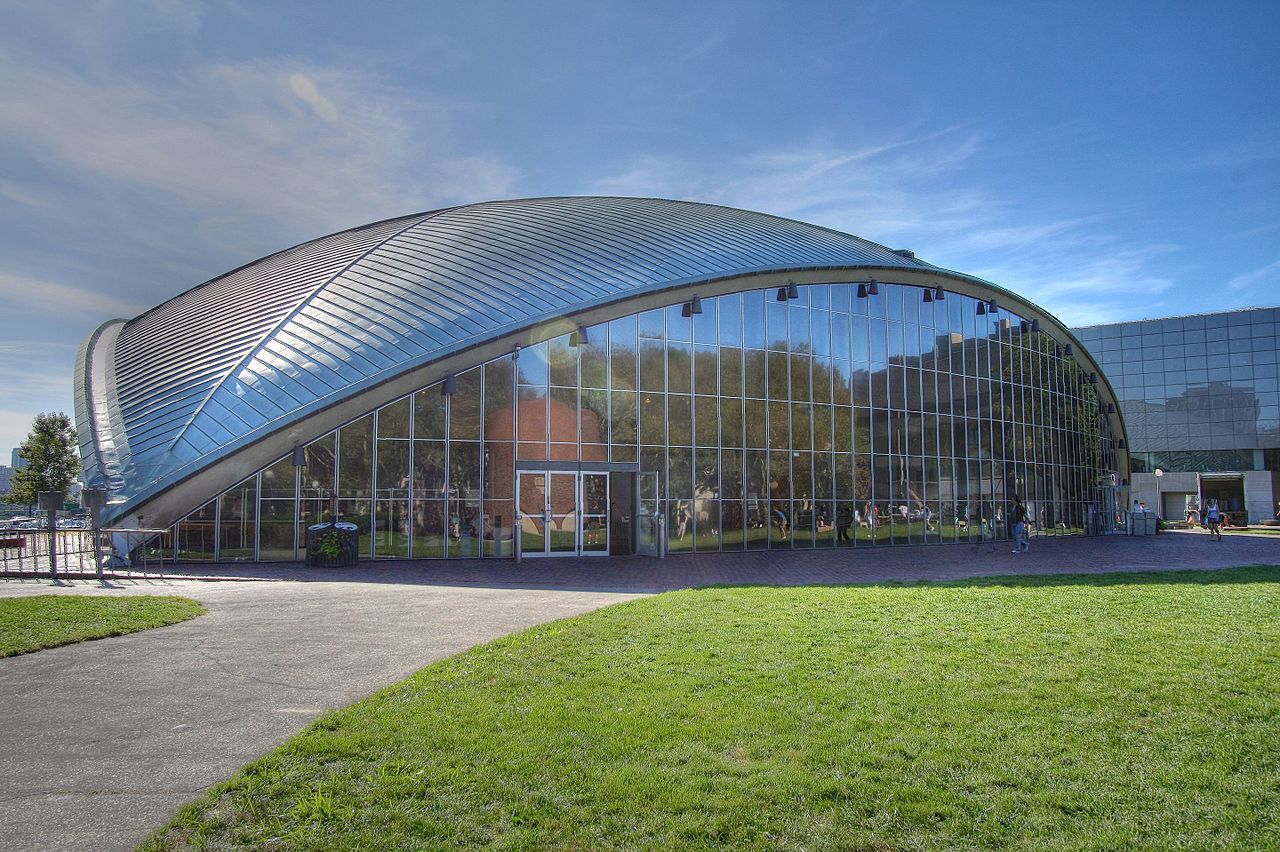




Areas of Research and Capability
The laboratory works across a broad range of technical domains, including sensors and surveillance, air and missile defense, communications, cyber security, space systems, and microelectronics. Projects often combine hardware, software and systems engineering to create deployable technologies. Early and ongoing work on radars, signal processing and reentry physics illustrates the blend of theory and experiment that characterizes its programs.
History and Development
Established in the early 1950s as a place for rapid development of advanced military electronics and command systems, the laboratory has evolved from air-defense efforts into a multidisciplinary organization. Over the decades it has expanded its mission to keep pace with new threats and technologies while maintaining strong ties to academic research and operational customers in government.
Organization and Facilities
Staffed by scientists, engineers and technical specialists, the laboratory supports laboratory facilities, test ranges and field demonstration capabilities. Work ranges from basic research and component design to system integration and live testing. Projects often produce prototype systems that are transferred to acquisition agencies or commercialized for broader use.
Impact and Notable Contributions
Lincoln Laboratory has contributed to advancements in radar systems, air- and missile-defense architectures, satellite and space-surveillance technologies, secure communications and reentry and atmospheric physics. Its developments have influenced both military capabilities and civilian applications, such as improvements in remote sensing and networking.
Key Focus Areas
- Advanced sensing and radar systems
- Space situational awareness and satellite technology
- Cybersecurity, secure communications and networking
- Prototyping, test ranges and systems integration
The laboratory continues to bridge academic research and operational needs, emphasizing rapid implementation and long-term innovation to address changing technological and security challenges. For institutional information and program descriptions consult the laboratory's official summaries and technical reports.
Related articles
Author
AlegsaOnline.com MIT Lincoln Laboratory Leandro Alegsa
URL: https://en.alegsaonline.com/art/65527