
Surrender (military)
An overview of military surrender: meanings, signals, legal status, historical development, forms and consequences for combatants and armed units.
Overview
Surrender in a military context is the formal cessation of resistance by combatants to an opposing force. It may happen at the level of individual soldiers, units, ships, aircraft, or entire nations and can be voluntary, negotiated or compelled by battlefield circumstances. Those who surrender typically become detained as prisoners of war or are released, repatriated, or otherwise processed according to the laws and agreements in force.
Image gallery
3 Images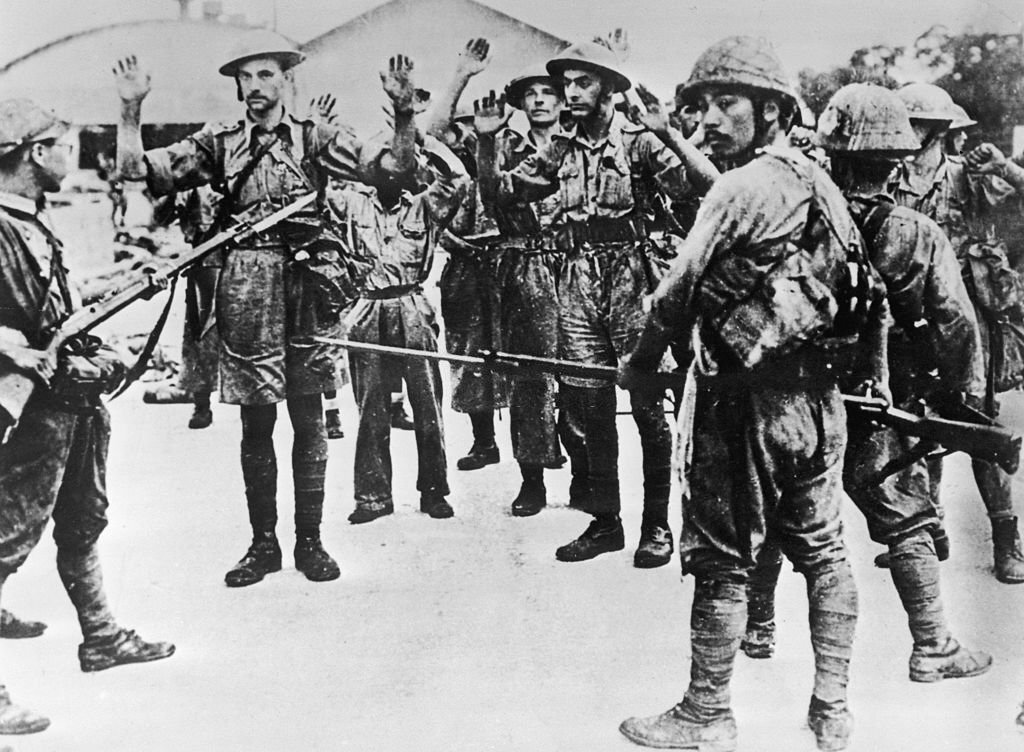


Characteristics and common practices
Recognizable signals and procedures help prevent further hostilities during surrender. The white flag is the best-known emblem used to indicate a desire to communicate or yield. Surrender may include the laying down of weapons, the raising of hands, turning over of command posts or the signing of terms. Commanders can order a unit to surrender, but the decision often follows objective assessments of combat effectiveness, supply status, and casualty levels.
Forms of surrender
- Unconditional surrender – capitulation without negotiated terms, leaving conditions to the victor.
- Conditional or negotiated surrender – involves agreed terms covering treatment, evacuation, or the disposition of forces and matériel.
- Local or tactical surrender – limited to a particular engagement or position rather than the entire conflict.
Legal status and protections
International humanitarian law recognizes the status of those who surrender and prohibits their mistreatment. Detainees who are hors de combat — out of the fight due to surrender, wounds, or capture — are entitled to humane treatment and legal safeguards. The details vary by treaty and custom, but the general principle that surrendered combatants are protected from violence and summary punishment is widely accepted.
History, examples and significance
Surrender has shaped the outcomes of wars and the fate of populations throughout history, from isolated battlefield capitulations to the negotiated terms that end large-scale conflicts. How surrender is conducted can influence post-conflict reconciliation, occupation policies and legal accountability. Its symbolism also carries political weight: ceremonies, proclamations and the handling of surrendered forces are often used to assert legitimacy or to manage transition after hostilities.
Further reading and distinctions
Distinguish surrender from related concepts such as ceasefires, truces, and negotiated armistices, which may suspend fighting without requiring the handing over of forces. For more on legal frameworks and military doctrine, consult sources on international law and military manuals.
Related articles
Author
AlegsaOnline.com Surrender (military) Leandro Alegsa
URL: https://en.alegsaonline.com/art/95197