
Maya people
Indigenous peoples of southern Mexico and northern Central America, heirs of the ancient Maya civilization, speaking diverse Mayan languages and maintaining living cultural traditions across the region.
Overview
The term Maya describes a large and diverse set of Indigenous peoples who live primarily in southern Mexico and northern Central America. The contemporary Maya share linguistic and cultural roots with the pre-Columbian Mayan civilization, but there is no single homogeneous Maya culture: many distinct ethnic groups, languages and local traditions exist across the region.
Image gallery
10 Images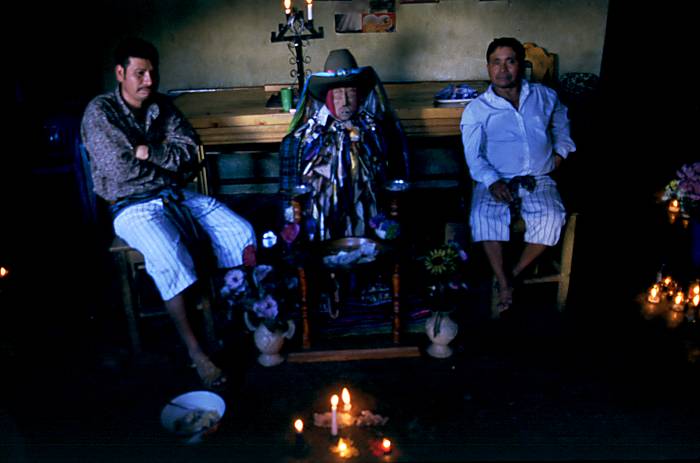




Origins and pre-Columbian history
Archaeological and historical evidence shows that Maya societies developed complex urban centers and state-level polities centuries before European contact. Periods often described as Preclassic, Classic and Postclassic mark long phases of social, political and artistic development. The ancient Maya are noted for achievements in hieroglyphic writing, astronomy, mathematics, architecture and calendrical systems that continue to interest researchers and the public.
Language and ethnic groups
Maya peoples speak many related but distinct languages of the Mayan language family. Major linguistic groups include languages often called Yucatec, K'iche', Kaqchikel, Mam, Q'eqchi', Tzotzil and Tzeltal, among others. In many communities the local language remains the primary medium of daily life, while national or regional languages are used in trade, schooling and administration.
Society, economy and cultural life
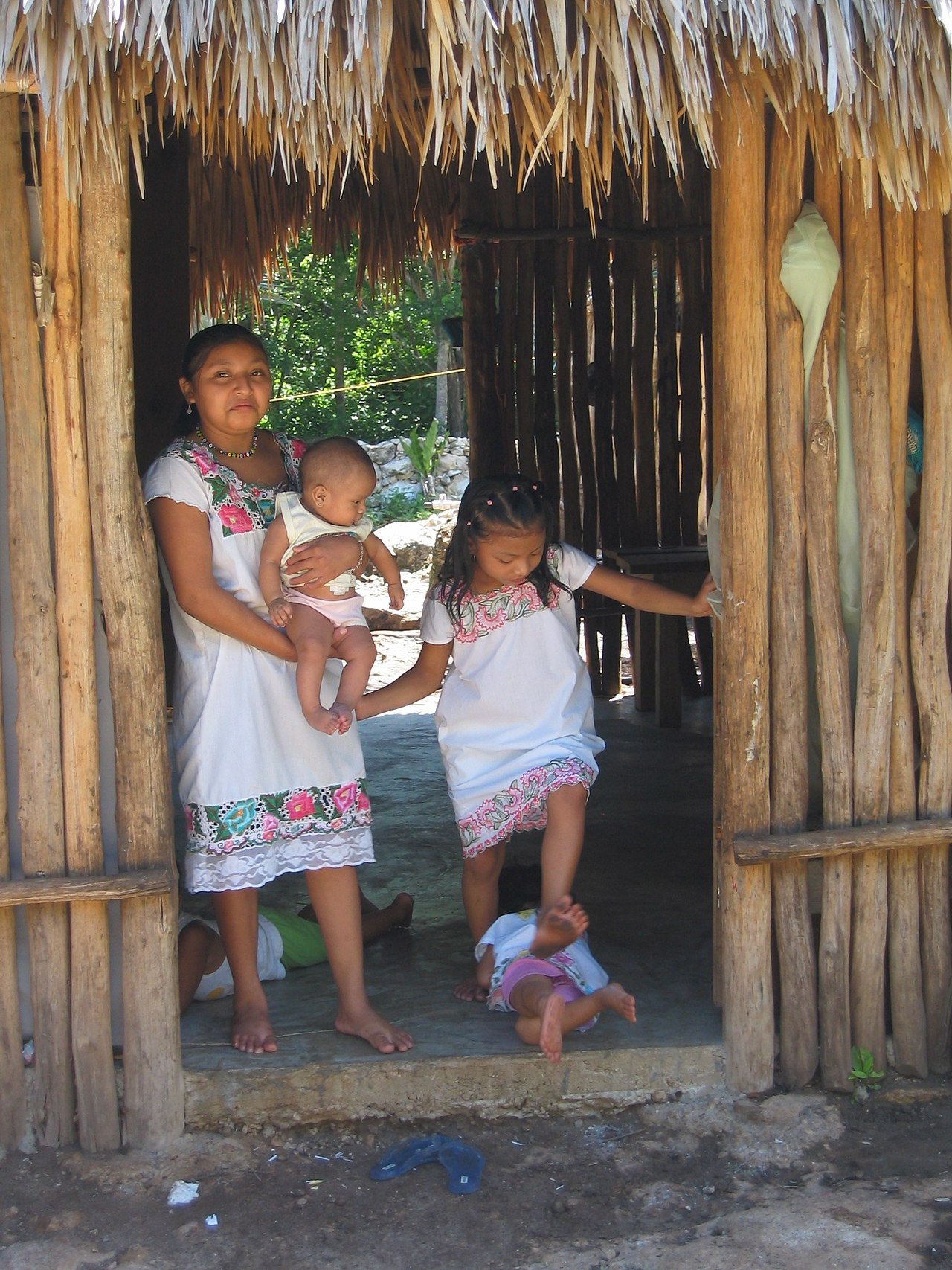
Traditional economies mix subsistence and market activities. The milpa system of rotating cultivation, small-scale animal husbandry, craft production such as weaving and pottery, and seasonal migration for wage labor are common patterns. Kinship networks, communal landholding in some areas, ritual specialists and local authorities shape social organization. Textile production, ceremonial dress, and oral literature remain central cultural expressions.
Religion and worldview
Religious life often blends ancestral Maya beliefs with influences from Christianity introduced during the colonial era. Ceremonies connected to agricultural cycles, life events and community calendars continue in many areas; some communities preserve specialized ritual knowledge, including daykeepers who use traditional calendars and cosmological systems.
Modern distribution
Large Maya populations live in the Mexican states of Yucatán, Campeche, Quintana Roo, Tabasco and Chiapas. Significant communities are also found in the Central American countries of Belize, Guatemala, and parts of western Honduras and El Salvador. Within these areas, Maya populations vary widely in language use, dress, religious practice, and levels of engagement with national institutions and global markets.
Colonial encounter and modern history
Contact with Europeans from the sixteenth century brought dramatic political, social and demographic changes. Over subsequent centuries Maya communities experienced displacement, conversion, labor demands and new legal regimes, but many retained or adapted core cultural and social systems. In the twentieth and twenty-first centuries, Maya peoples have participated in national politics, Indigenous movements, and cultural revitalization efforts.
Contemporary issues and revitalization
Contemporary Maya communities engage with issues such as land and resource rights, bilingual education, legal recognition, cultural heritage protection and sustainable development. There are ongoing efforts to revitalize endangered Mayan languages, to teach traditional knowledge alongside formal schooling, and to protect archaeological and living heritage. Tourism and archaeological research bring both economic opportunities and challenges related to cultural autonomy and site preservation.
Art, archaeology and public interest
Archaeological sites, museum collections and living craft traditions make the Maya a subject of international interest. Scholarship continues to refine understanding of ancient social systems, while community-led projects increasingly shape how history and heritage are represented and managed.
Notable facts
- Diversity: The label "Maya" groups many distinct peoples and languages rather than a single homogeneous population.
- Continuity: Many contemporary practices, ceremonies and languages preserve elements that link present-day communities with their ancestors.
- Contemporary concerns: Language revitalization, land rights, education and cultural heritage are central issues for many Maya communities today.
For further reading and resources on regional cultures, languages and heritage, consult specialized ethnographic, linguistic and archaeological studies, as well as community organizations and Indigenous institutions working across the Mexican and Central American regions.
Related articles
Author
AlegsaOnline.com Maya people Leandro Alegsa
URL: https://en.alegsaonline.com/art/63089