
Mestizo
Mestizo: a term for people of mixed European and Indigenous American ancestry originating in the Spanish colonial era; a major demographic and cultural identity across Latin America with regional variations.
Overview
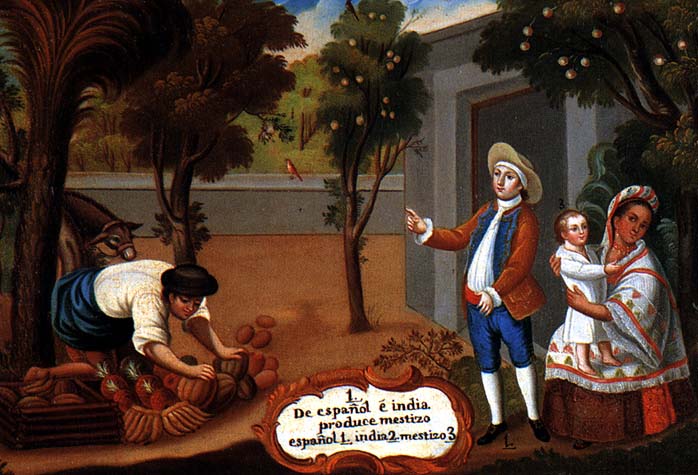
The word Spanish term mestizo traditionally denotes a person of mixed European (most often Spanish) and Indigenous American descent. Used since the colonial period, the label has described both biological ancestry and social identity. In many countries the term evolved from a legal and bureaucratic category into a broader cultural identity that can include language, religion, dress and self-identification.
Image gallery
10 Images




Origins and the colonial caste system
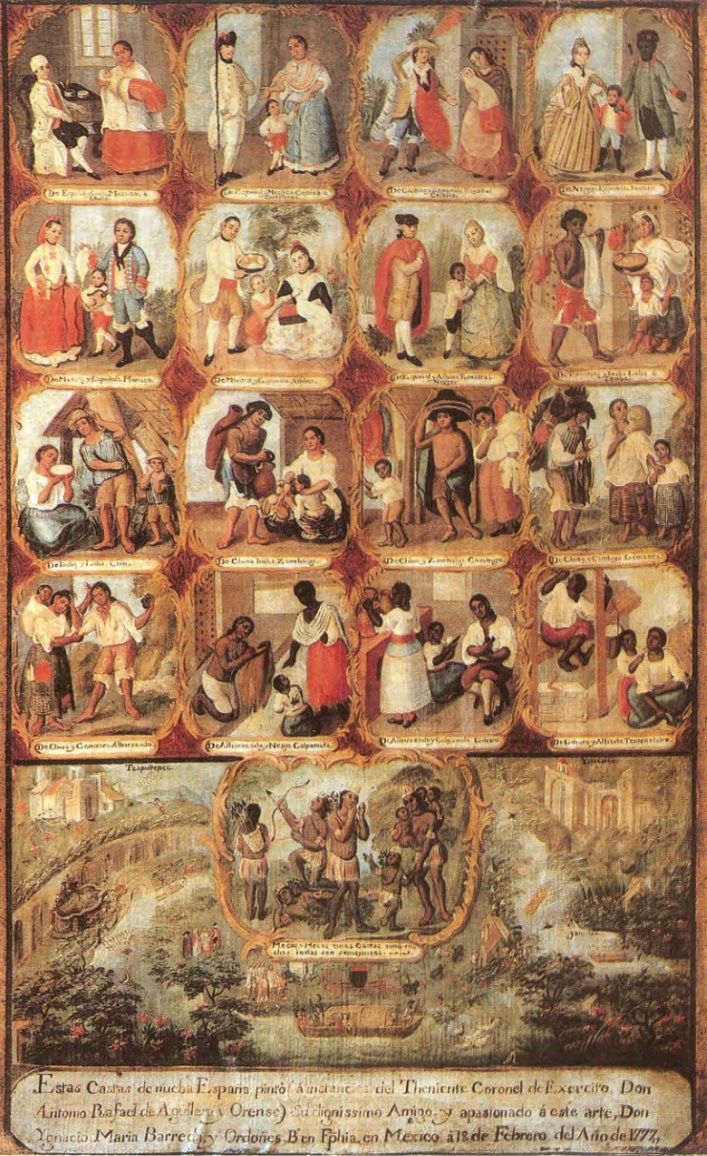
The concept arose under imperial rule from Spain during the period when much of present-day Latin America was a colonial territory. Colonial administrations and ecclesiastical institutions recorded parentage and ancestry as part of governance, taxation and religious conversion efforts. Over time these records and the accompanying social hierarchy — sometimes called the casta system — assigned varying privileges and restrictions according to perceived racial mixtures.
Characteristics and social mobility
Being mestizo has meant different things in different times and places. For some it signified an intermediate legal status between Europeans and Indigenous peoples; for others it became a pathway toward assimilation into Spanish-language, Christian-majority society. Conversion to Christianity, adoption of the Spanish language, intermarriage and economic advancement often changed how people were classified and how they experienced social status. The notion that European ancestry had greater value shaped many colonial attitudes, but lived identities were complex and negotiated.
Regional variations and demographics
Today, mestizo populations form large proportions of several national populations and are prominent in national narratives about race and nationhood. Examples include:
- Mexico: a prominent national identity often described as mestizo, combining Indigenous and Spanish elements.
- Central American countries where mestizo identity is widespread in urban and rural areas.
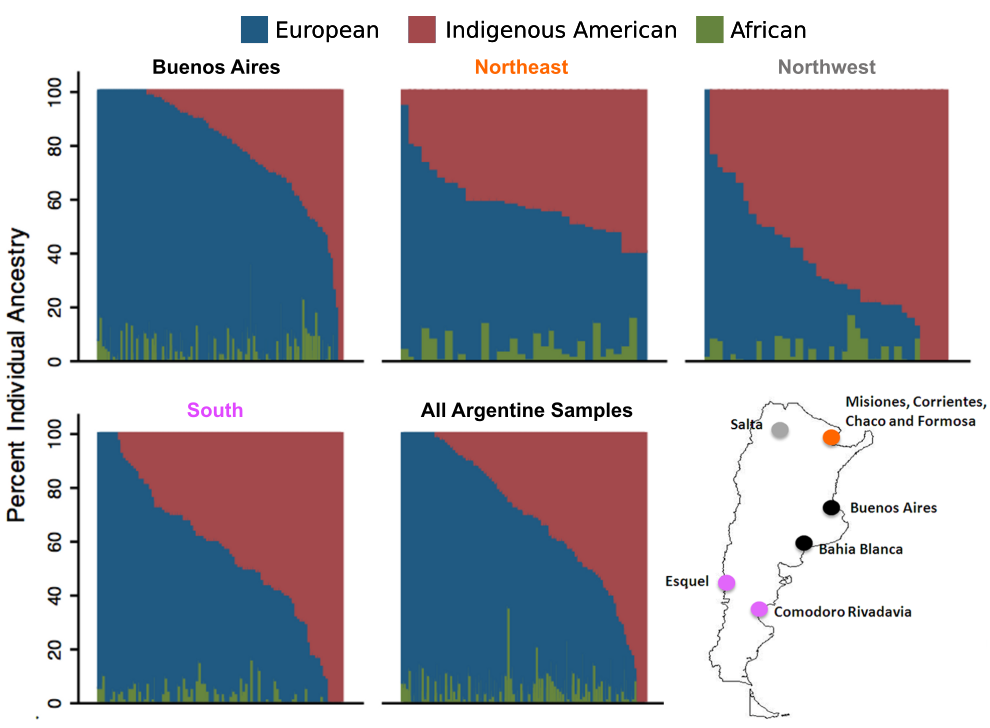
- Parts of the Andes and the Southern Cone, where mixed identities coexist alongside strong Indigenous and European-identifying communities.
- Other territories of the former Spanish empire where mixed descent produced distinct groups.
Demographic categories and counts vary by country and by the criteria used; some censuses ask about race, others about ethnicity or language, and self-identification plays a large role in modern statistics and debates about population composition.
Cultural influence and contemporary issues
Mestizo cultures have shaped national cuisines, music, religious practice and vernacular languages across the Americas. At the same time modern discussions emphasize that mestizo identity can obscure ongoing Indigenous rights issues, Afro-descendant populations, and socioeconomic inequalities. Scholars and activists examine how identity, history, and policy intersect, and how individuals claim, reject or redefine mestizo labels in contemporary life. For further perspectives on terminology and history, see related materials via historical studies and resources about colonial governance available at regional collections and other archives such as language and cultural repositories (European influence). Additional context can be found through educational and governmental sites cited in research guides (imperial records, social analyses, policy reports).
Questions and answers
Q: What is a mestizo?
A: A mestizo is a person of mixed European (usually Spanish) and Amerindian ancestry.
Q: How long have mestizos existed in Latin America?
A: Mestizos have existed since the time when Spain controlled much of what is now Latin America.
Q: Who was usually the father and mother of a mestizo?
A: A mestizo was usually the son of a Spanish father and a Native American mother.
Q: Where do mestizos form the largest part of the population?
A: Mestizos form the largest part of the population in some Latin American nations.
Q: What is the largest Spanish-speaking nation in the world?
A: Mexico is the Spanish-speaking nation with the largest population in the world.
Q: Why were many Native Americans converted to Roman Catholicism and began using the Spanish language?
A: Many Native Americans were converted to Roman Catholicism and began using the Spanish language because of the concept that existed in the Spanish colonies which gave more "value" to European people over Native Americans and Africans.
Q: Why did many Native Americans call themselves "mestizos" instead of "indios?"
A: Many Native Americans gained better social status by calling themselves "mestizos" instead of "indios" because of the concept that existed in the Spanish colonies which gave more "value" to European people over Native Americans and Africans.
Related articles
Author
AlegsaOnline.com Mestizo Leandro Alegsa
URL: https://en.alegsaonline.com/art/64137