
Yucatán (state): geography, history, culture and significance
Yucatán is a Mexican state on the northern Yucatán Peninsula, known for its Mayan heritage, karst landscape, colonial capital Mérida, archaeological sites and growing tourism-driven economy.
Overview
Yucatán is a state in Mexico located on the northern part of the Yucatán Peninsula. Its capital and largest city is Mérida, and the state has a population of roughly 1.82 million people. To the southwest it borders the state of Campeche and to the southeast Quintana Roo, while the Gulf of Mexico lies off its northern coast .
Image gallery
10 Images




Geography and natural features
Yucatán’s terrain is dominated by a flat, low-lying limestone platform. The karst geology produces numerous sinkholes and underground rivers known as cenotes, which are important freshwater sources and ecological sites. The climate is tropical to subhumid along the coast and more seasonally variable inland. Coastal wetlands, mangroves and dry tropical forests support diverse wildlife and fisheries.
History, people and language
The region was a major center of the Mayan civilization, and many communities today trace ancestry to that past. Indigenous Maya languages remain in use alongside Spanish, and traditional customs, dress and crafts persist in rural towns. The area experienced Spanish colonization and later integration into the Mexican state; its social history includes periods of regional autonomy and local conflicts.
Culture, archaeology and sites
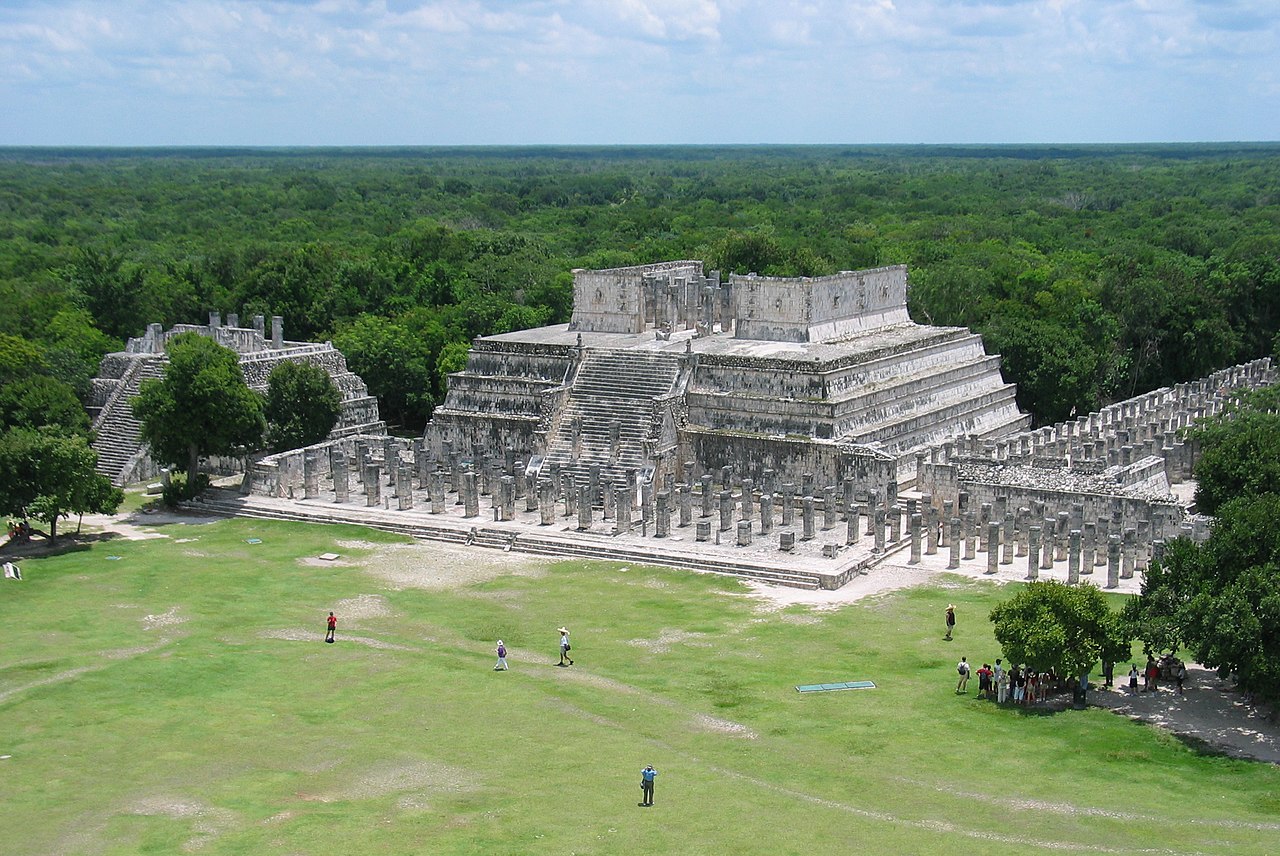
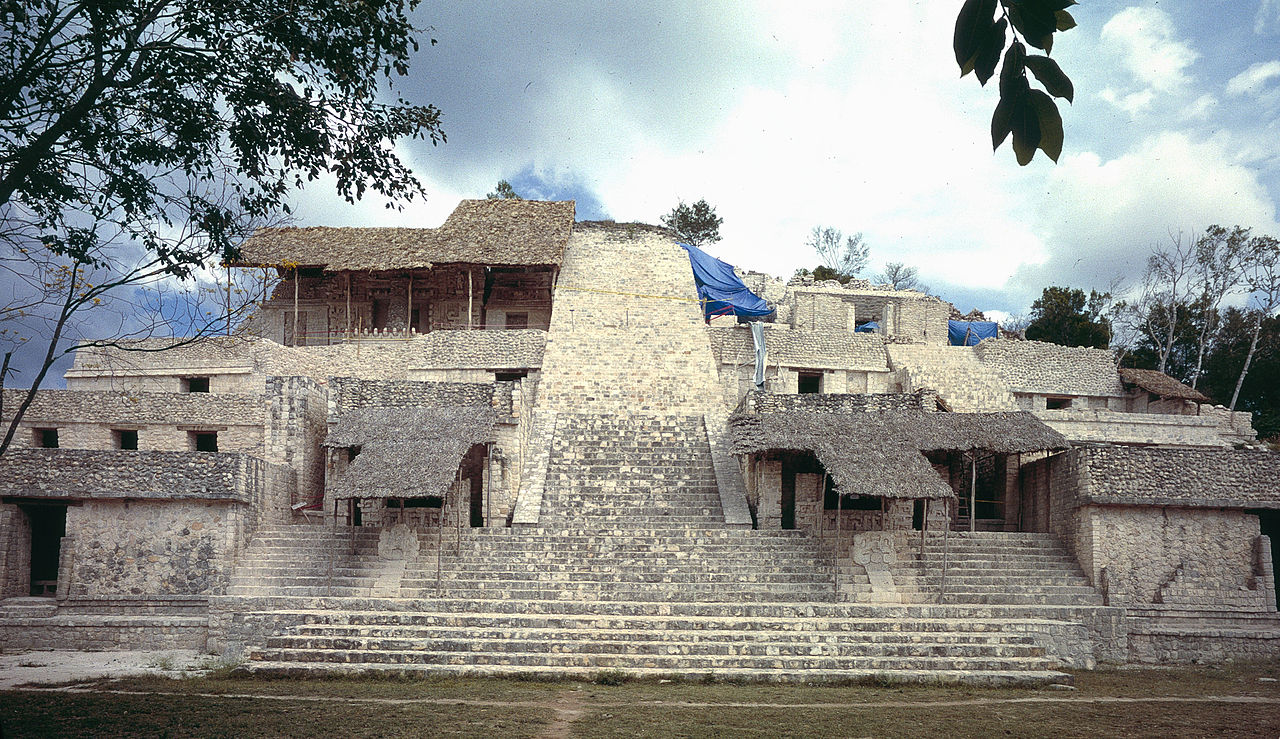
Yucatán hosts numerous archaeological sites where stone cities, plazas and pyramids testify to pre-Columbian urban life. Well-known sites include examples such as Chichén Itzá and many lesser-known ruins that attract researchers and visitors alike. Contemporary cultural life mixes Maya heritage with colonial architecture, especially visible in Mérida’s plazas and churches. Archaeological work and preservation continue to be important for research and tourism .
Economy and uses
The state economy includes agriculture, fishing, manufacturing and a growing services sector driven by tourism. Historically, agave fibers (henequén) were an important crop; today tourism, cultural events and eco-tourism around cenotes and reserves contribute strongly to local incomes. Mérida functions as a regional commercial, cultural and educational hub.
Notable facts and distinctions
- The peninsula’s porous limestone means rivers are mainly subterranean and water management relies on cenotes.
- Yucatán maintains a distinct regional identity within Mexico, reflected in cuisine, music and festivals.
- Its coastline and wetlands are important for marine and bird conservation and sustainable tourism.
- For administrative and general information about the state see official resources here and regional portals Campeche, Quintana Roo and maritime entries Gulf.
Yucatán remains a region where ancient heritage, colonial history and modern development intersect, making it a focal point for archaeology, culture and nature-based travel.
Further reading and maps are available through government and academic portals state, research institutions and tourism guides about Mayan history and site databases archaeological records.
Related articles
Author
AlegsaOnline.com Yucatán (state): geography, history, culture and significance Leandro Alegsa
URL: https://en.alegsaonline.com/art/110156