
El Salvador: geography, history, culture and economy
Overview of El Salvador — its location, geography, history, government, economy, society and culture, with key facts and context for readers seeking a concise national profile.
Overview
El Salvador, officially the República de El Salvador, is the smallest and most densely populated country in Central America. Its capital and largest city is San Salvador. Other important urban centers include Santa Ana and Sonsonate. The republic borders the Pacific Ocean to the south and shares land frontiers with Guatemala to the west and Honduras to the north and east. Despite its compact area, the country has a variety of landscapes and a long history of human settlement.
Image gallery
10 Images



Geography and environment
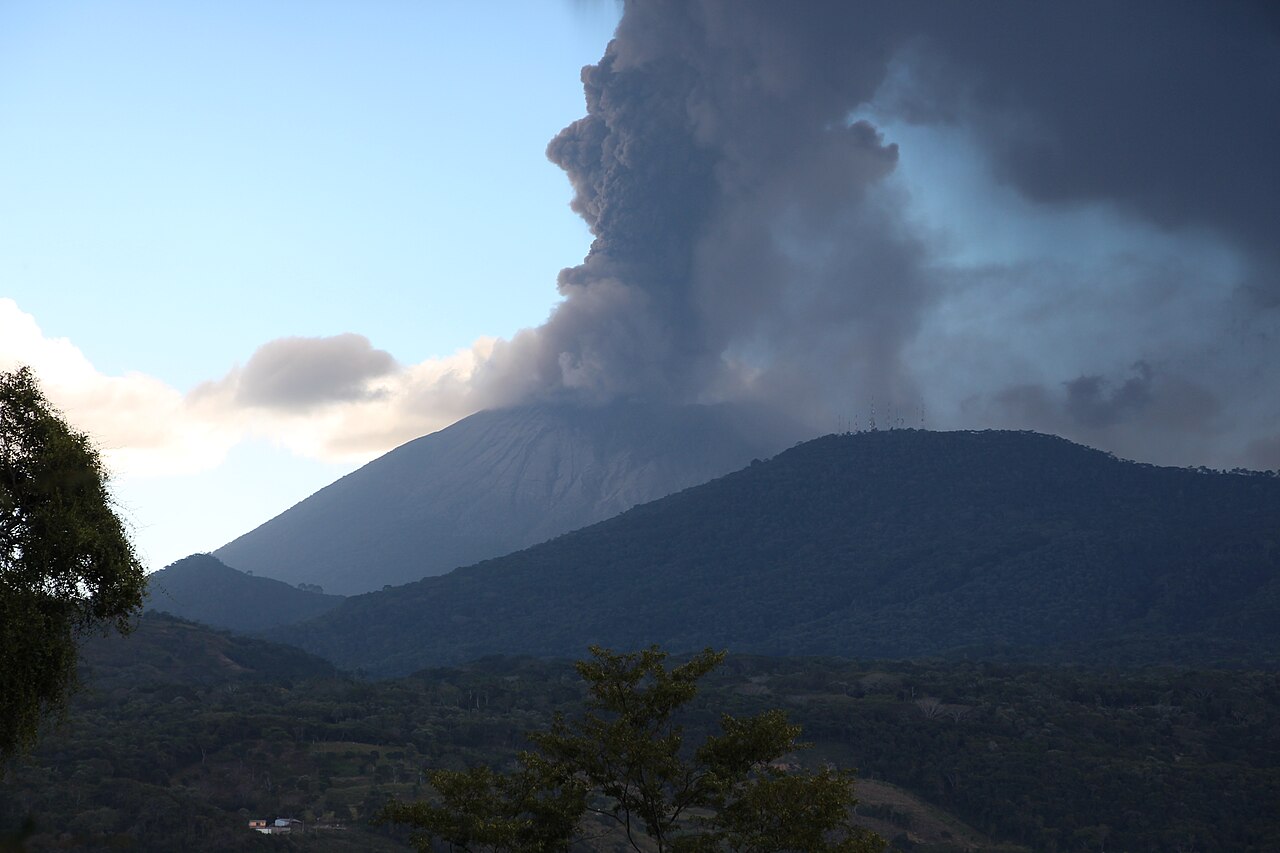
El Salvador occupies a narrow band along the Pacific coast, with a coastal plain that rises quickly into a chain of volcanic mountains. These volcanoes, some of them active, shape much of the country's topography and soil fertility. The climate is tropical, moderated by elevation: lowland areas are typically hot and humid while higher valleys are milder. Forests, mangroves and lagoons occur along the coast and in protected reserves; biodiversity includes species adapted to both dry and humid zones. The country does not have a Caribbean coastline.
History and development
The territory was inhabited by indigenous peoples, including the Pipil and other Mesoamerican groups, before Spanish colonization in the 16th century. After independence from Spain, El Salvador was briefly part of the Federal Republic of Central America and later established itself as a sovereign republic. The 20th century brought social and political tensions that led to conflict and a civil war in the late 1970s through the early 1990s; subsequent peace accords enabled reconstruction, political reforms and rebuilding of institutions.
Government and politics
El Salvador is a presidential republic with elected executive and legislative branches. Political life features multiple parties and periodic elections; debates often focus on security, economic opportunity and migration. Public institutions and civil society play roles in governance, while international relations and regional cooperation in Central America remain important to economic and security policy.
Economy and infrastructure
The economy combines agriculture, industry, services and substantial remittances from Salvadorans living abroad. Coffee was long a dominant export, and the country has diversified into textiles, manufacturing and services. El Salvador adopted the United States dollar as legal tender in 2001 and later recognized other digital instruments, policy choices that have influenced fiscal and monetary discussion. Transportation infrastructure centers on road links between major cities and ports on the Pacific coast.
Society, culture and identity
Spanish is the official language and Roman Catholicism has historically been influential, though religious diversity has increased. Salvadoran culture is shaped by indigenous and Spanish heritages and modern influences. Cuisine is anchored by the pupusa, a stuffed corn tortilla widely regarded as a national dish. Music, festivals, family networks and local crafts are important to social life.
Tourism and conservation
Visitors are drawn to beaches, surfing spots on the Pacific coast, volcanic landscapes and colonial towns. Protected areas and coastal wetlands are focus points for conservation, and efforts continue to balance development with environmental protection. Sustainable tourism initiatives seek to support local communities while preserving natural and cultural resources.
Quick facts
- Official name: República de El Salvador
- Region: Central America
- Capital: San Salvador
- Major cities: Santa Ana, Sonsonate
- Borders: Guatemala, Honduras and the Pacific Ocean
Questions and answers
Q: What is the name of the smallest country in Central America?
A: The name of the smallest country in Central America is El Salvador.
Q: What is the capital and largest city in El Salvador?
A: The capital and largest city in El Salvador is San Salvador.
Q: Which two countries does El Salvador share borders with?
A: El Salvador shares borders with Guatemala to the west and Honduras to the north and east.
Q: What is the name of the most important cities in El Salvador besides San Salvador?
A: The most important cities in El Salvador besides San Salvador are Santa Ana and Sonsonate.
Q: Why is El Salvador considered the most densely populated country in Central America?
A: El Salvador is considered the most densely populated country in Central America because it has a high population density in relation to its small size.
Q: Which body of water does El Salvador border on the south?
A: El Salvador borders the Pacific Ocean on the south.
Q: What is the official name of El Salvador in Spanish?
A: The official name of El Salvador in Spanish is República de El Salvador.
Related articles
Author
AlegsaOnline.com El Salvador: geography, history, culture and economy Leandro Alegsa
URL: https://en.alegsaonline.com/art/30583
Sources
- data.un.org : "UNdata El Salvador"
- censos.gob.sv : Gob.sv
- imf.org : "El Salvador"
- hdr.undp.org : "Human Development Report 2010"
- bcr.gob.sv : "Monetary integration"
- news.nationalgeographic.com : World's Forests Rebounding, Study Suggests
- commons.wikimedia.org : El Salvador
- wikidata.org : wikidata.org/wiki/Q792
- catalogue.bnf.fr : cb11934436j
- data.bnf.fr : (data)
- d-nb.info : 4014499-9
- hls-dhs-dss.ch : 006531
- isni.org : 0000 0001 2375 2529
- id.loc.gov : n79066409