
Quintana Roo
Quintana Roo is a Mexican state on the eastern Yucatán Peninsula. Known for its Caribbean coastline, Maya heritage, cenotes and resort destinations like Cancún and Playa del Carmen, its economy is tourism-driven.
Quintana Roo is a state on Mexico's eastern Yucatán Peninsula, facing the Caribbean Sea. Its capital is Chetumal, located near the border with Belize. The state is widely known for its long coastline of white-sand beaches, extensive coral reef habitats, underground sinkhole systems called cenotes, and for international tourist destinations that include Cancún, Playa del Carmen and Tulum.
Image gallery
10 Images
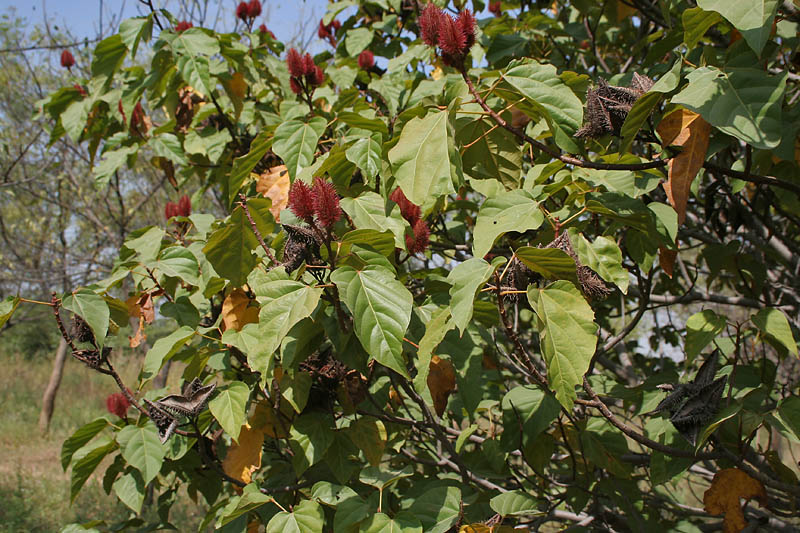
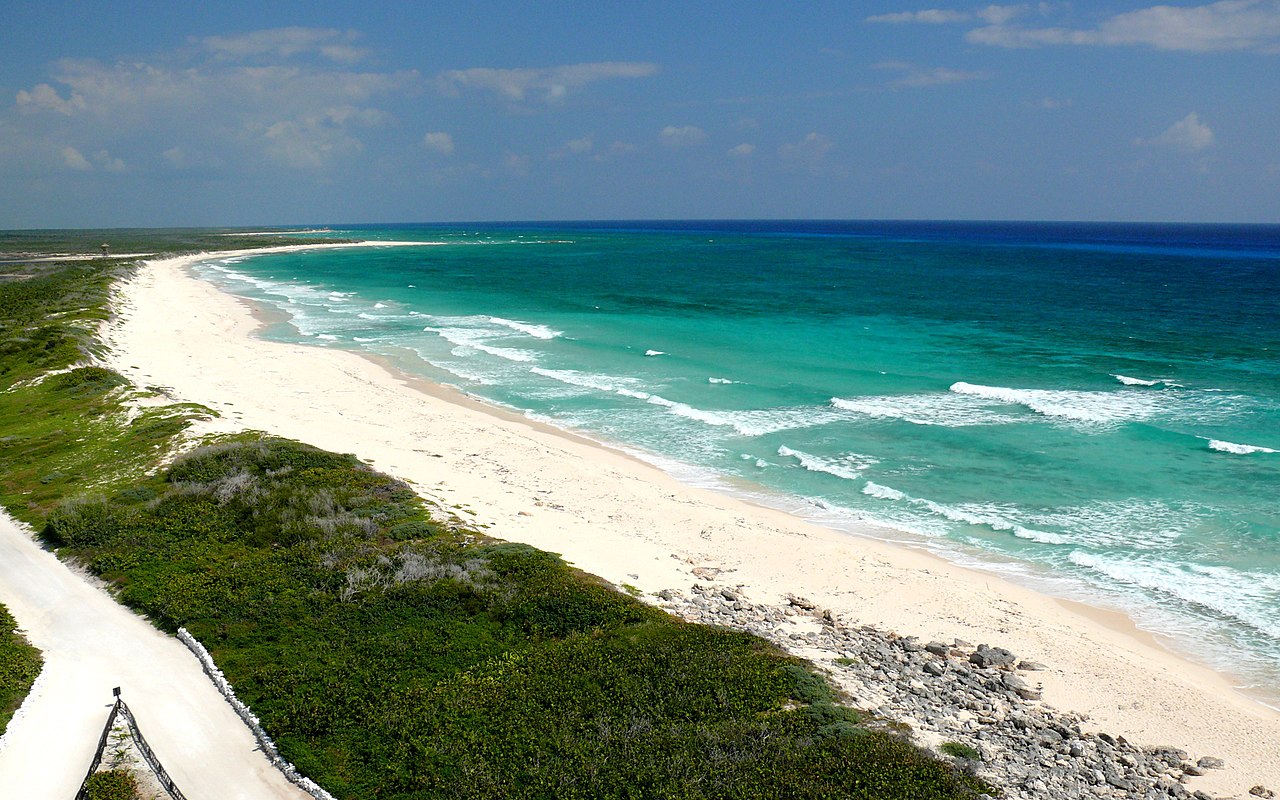


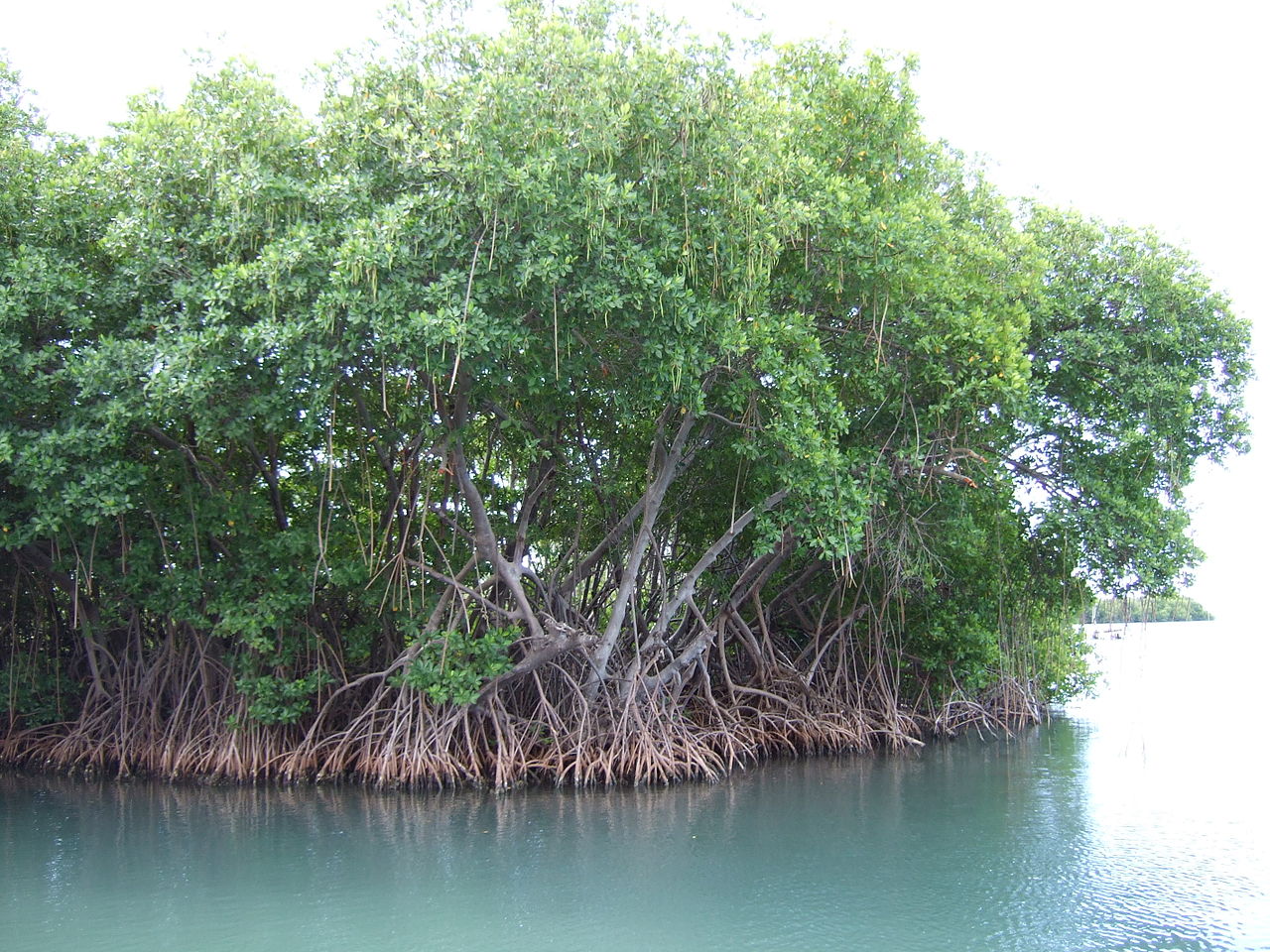


Geography and environment
The landscape of Quintana Roo is low-lying and karstic, with porous limestone that creates networks of cenotes and subterranean rivers. Off its shore lies a major coral formation that sustains diverse marine life and supports fisheries and diving tourism. Inland areas feature tropical forest, seasonal wetlands and protected reserves that conserve flora and fauna of the region.
History and name
The region has been inhabited by Maya communities for millennia and contains archaeological sites that record pre-Columbian settlement and trade. The modern state takes its name from Andrés Quintana Roo, a figure in Mexico's independence era. Administratively it was organized as a federal territory in the 20th century and attained full state status later in that century.
Economy and tourism
Tourism is the dominant industry in Quintana Roo, accounting for much of its employment, infrastructure and public revenues. Major resort centers on the Caribbean coast receive international visitors for beaches, diving and cultural tourism. Examples of popular destinations include Cancún, Playa del Carmen, Cozumel and the archaeological site at Tulum. For regional economic overviews see the economic summary and reports on tourism trends at tourism resources.
Population and culture
The state's population includes people of Maya descent who maintain language, artisanal traditions and community ties alongside residents drawn by the tourism industry. Urban growth in coastal corridors has produced a mix of international visitors, expatriates and domestic migrants working in hospitality, construction and services.
Notable facts and challenges
- Quintana Roo contains part of a large Caribbean coral system that supports diving and fishing.
- Cenotes are both ecological features and cultural sites for study and tourism.
- Rapid development has raised concerns about environmental pressure, water management and sustainable planning.
Practical information for visitors and researchers can be found through regional guides and official portals; for government and planning materials consult official resources. Quintana Roo remains a focal point where natural heritage, Maya culture and modern tourism interact, shaping both opportunities and conservation challenges.
Related articles
Author
AlegsaOnline.com Quintana Roo Leandro Alegsa
URL: https://en.alegsaonline.com/art/80583