
Maya civilization: history, culture, and legacy
Ancient Mesoamerican civilization noted for hieroglyphic writing, mathematics, monumental architecture, calendars, trade networks, and living descendants across southern Mexico and Central America.
The Maya civilization was a diverse and long-lived cultural complex in Mesoamerica, notable for its cities, inscriptions, and ceremonial life. Inhabiting a range of environments from lowland rainforest to highland valleys, Maya societies developed systems of governance, religion, craft specialization and agriculture that evolved over more than two millennia.
Image gallery
10 Images


Geography and chronology
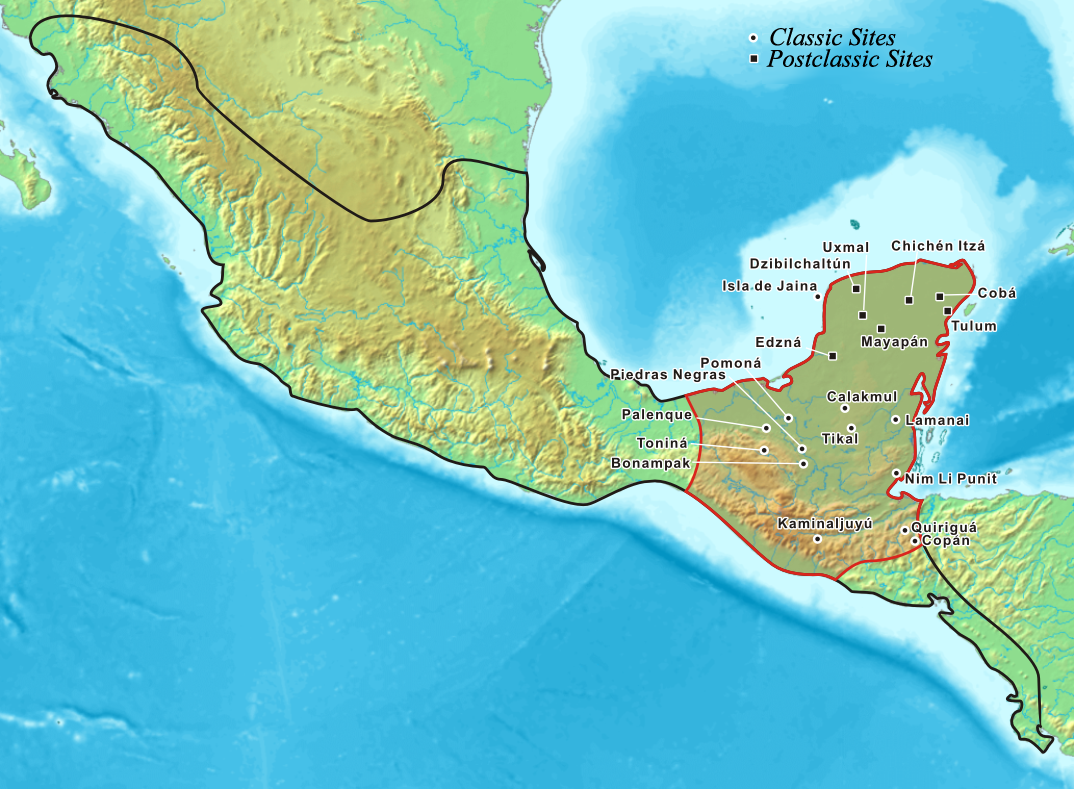
Maya settlements extended from the foothills of central Mexico through what is now Belize and much of Guatemala, into parts of modern Honduras and northern El Salvador. Village communities appear by the third millennium BCE, larger urban centers arose around the first millennium BCE, and the Classic period (roughly 250–900 CE) saw the greatest concentration of monumental architecture and carved inscriptions. After 900 CE many southern lowland cities declined while other regions persisted and reorganized.
Economy, diet and crafts
Agriculture formed the economic backbone of Maya life. Important staple foods included:
- Maize (corn), which was central both nutritionally and ritually.
- Beans, providing protein and complementing maize.
- Squashes, gourds and other garden crops.
- Chili peppers and diverse wild and cultivated plants.
In addition to farming, Maya communities produced pottery, textiles, carved stone and worked jade and shell. Long-distance exchange circulated commodities such as obsidian, salt and cacao among regions, linking coastal and inland zones.
Writing, mathematics and astronomy
The Maya developed a sophisticated hieroglyphic script and a vigesimal numeral system that included a symbol for zero. Priests and scribes recorded dynastic events, inscriptions and astronomical data. Observations of stars and planets underpinned ritual timekeeping and the compilation of complex calendars, including versions of the Tzolkʼin, Haabʼ and the Long Count used to mark longer cycles.
Architecture, art and social organization
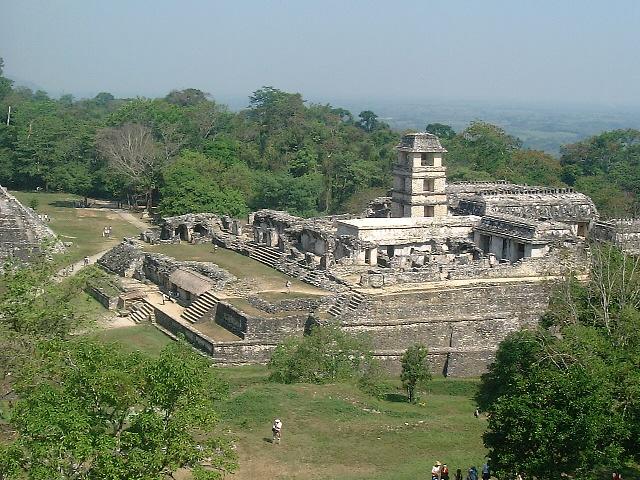
Maya builders combined functional urban planning with monumental architecture: stepped pyramids, palaces, plazas and ballcourts are characteristic elements. Skilled in art and building, sculptors and painters produced murals, stelae and carved reliefs that commemorated rulers and events. Political authority typically centered on dynastic city-states where rulers, nobles and priestly specialists directed ritual, warfare and economic activities while most people engaged in farming and local production.
Contact, transformation and legacy
From the late first millennium CE onward the pattern of Maya polities shifted, and after the Classic decline many areas saw fragmentation. The arrival of Europeans — including the Conquistadors — in the 15th and 16th centuries introduced disease, new political pressures and colonial institutions that reshaped life across Central America. Nevertheless, millions of Maya people remain today, speaking numerous Mayan languages and maintaining cultural practices, ritual calendars and textile, culinary and artistic traditions derived from their ancestors.
Why the Maya matter
The Maya are central to understanding pre-Columbian innovation in writing, mathematics, architecture and astronomy. Modern archaeological, epigraphic and ethnohistoric research continues to refine our knowledge of regional variation, political history and daily life. Living Maya communities also keep these traditions alive, demonstrating continuity and adaptation from the ancient past into the present.
Questions and answers
Q: What is the Maya civilization?
A: The Maya civilization was a complex society that lived in Central America, from central Mexico to Honduras, Guatemala, and northern El Salvador. It existed for over 4,000 years and is estimated to have had at least ten million people at its peak.
Q: What did the Maya people eat?
A: The staple foods of the Maya diet were maize, beans, squashes, and chili peppers. They also traded with other people in the Americas for different food items.
Q: When did the first Maya cities develop?
A: The first Maya cities developed around 750 BC.
Q: What type of language did they use?
A: The Maya people used a written language and a numeral system. They also spoke many different Mayan languages including one called Achi language.
Q: How did their priests help them make calendars?
A: Their priests studied stars and planets which helped them make calendars.
Q: When was the peak of the Mayan civilization?
A: The peak of the Mayan civilization was between 420 AD and 900 AD.
Q: How has their culture survived today?
A: Although they were taken over by Conquistadors in 15th century, some of the original Mayan people still live in those areas today and keep old traditions alive through art forms such as Rabinal Achi play which is considered important to this day.
Related articles
Author
AlegsaOnline.com Maya civilization: history, culture, and legacy Leandro Alegsa
URL: https://en.alegsaonline.com/art/63095
Sources
- smithsonianmag.com : "Laser Scans Reveal 60,000 Hidden Maya Structures in Guatemala"
- archaeology.org : "Maya Art Return"