
Campeche (Mexican state)
Campeche is a southeastern Mexican state on the Gulf of Mexico, known for its colonial fortified capital, Maya heritage, coastal ecosystems, and an economy shaped by fishing, agriculture and offshore oil.
Overview
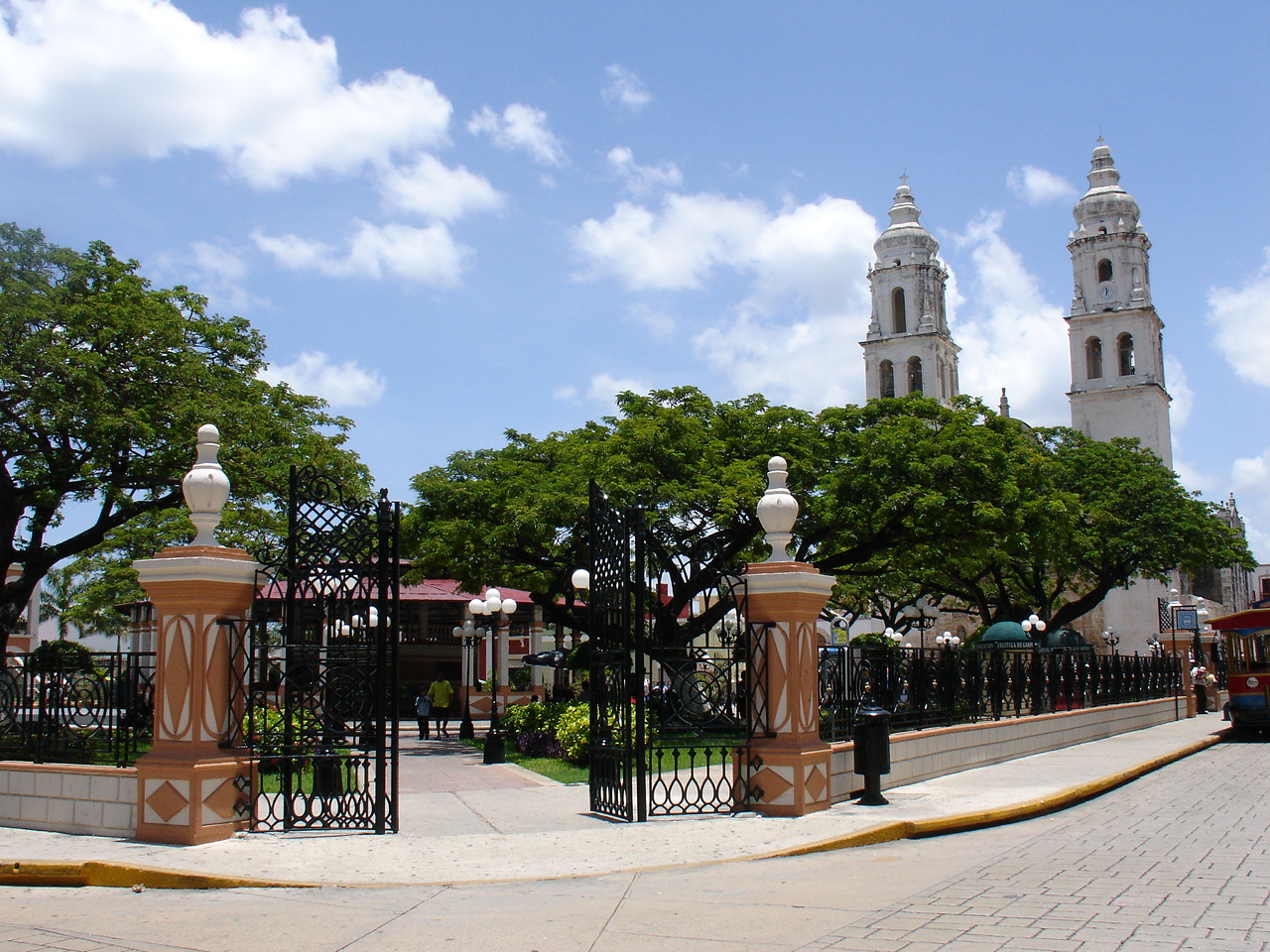
Campeche is a state on the Yucatán Peninsula bordering the Gulf of Mexico. Its capital, the city of San Francisco de Campeche (commonly called Campeche), is a coastal colonial town with preserved fortifications and a historic centre. The state has a relatively small population compared with other Mexican states and a low population density concentrated in a handful of cities and coastal communities. For official information see the state's page: Campeche and for national context: Mexico.
Image gallery
9 Images





Geography and environment
Campeche combines a long Gulf coastline, mangrove-lined estuaries and low inland plains. Much of the state is tropical, with seasonal rains and areas of wetland that support diverse birdlife and marine species. Portions of the state include protected reserves and important coastal ecosystems that act as nursery grounds for fisheries and as buffers against storms.
History and cultural roots
The area now called Campeche has deep pre-Columbian roots in the Maya world; archaeological sites and continuing Indigenous traditions attest to that legacy. During the colonial era the port city grew in importance and was fortified against pirate attacks, leaving a distinctive military and urban heritage. These fortifications and the historic centre reflect Spanish colonial planning layered over earlier Indigenous landscapes.
Economy and society
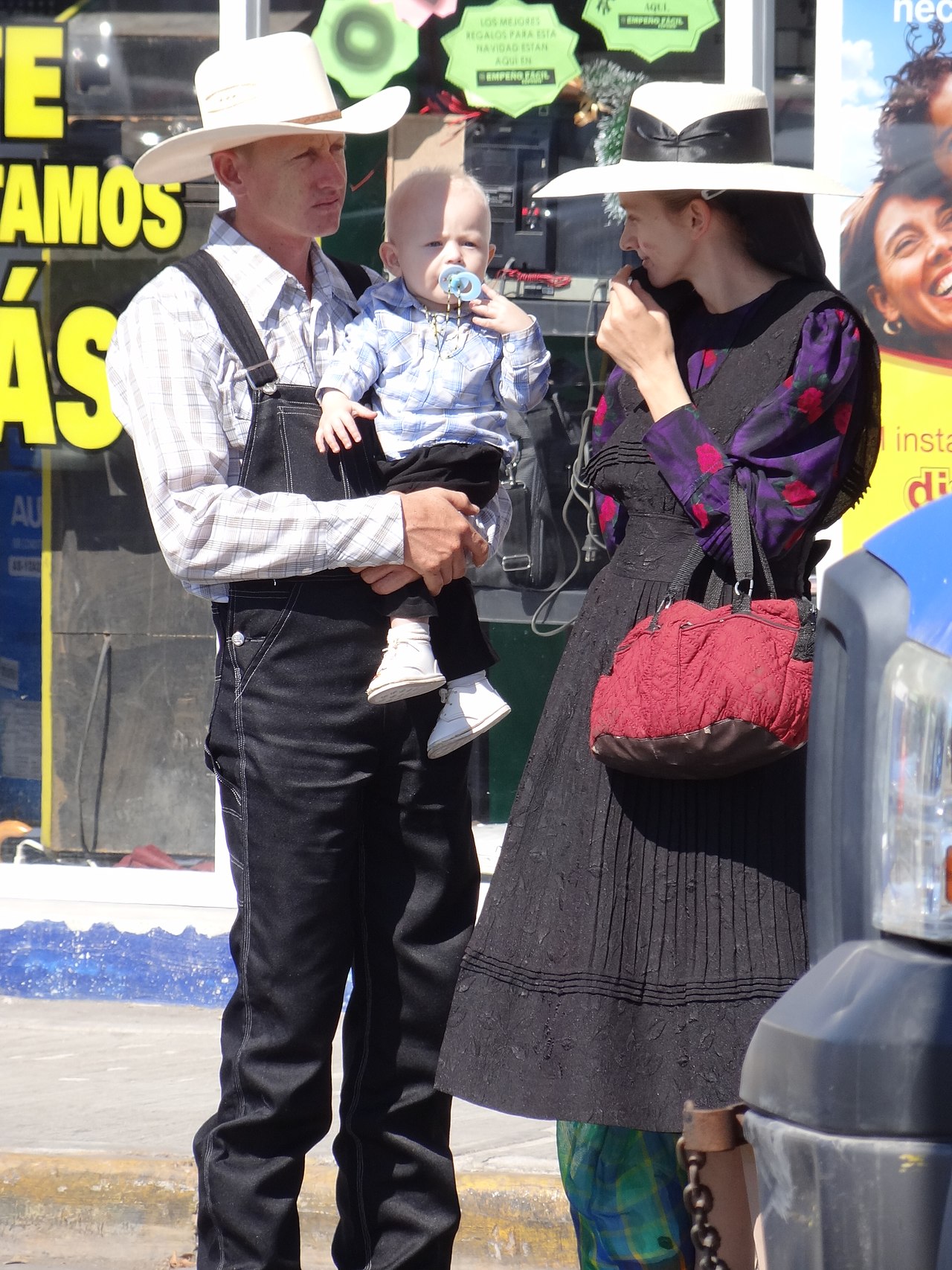
Campeche's economy blends traditional activities and modern extractive industries. Fishing, small-scale agriculture and services support many communities, while offshore oil and gas development has been an important factor in the state's economy since the 20th century. Coastal tourism—focused on beaches, birdwatching and colonial architecture—also contributes to the local economy. Socially, the state includes both mestizo and Indigenous populations, and efforts continue to balance development with conservation and cultural preservation.
Landmarks and travel highlights
Visitors are drawn to the fortified old town of Campeche, narrow streets, restored facades and seafront walls. The state also contains notable Maya archaeological sites such as Edzná and other ruins set within broad rural landscapes. Natural attractions include mangrove reserves, wildlife refuges and stretches of relatively undeveloped shoreline useful for ecotourism and research.
Distinctive facts
- Campeche is known for its well-preserved colonial fortifications and planned grid of streets in its capital.
- The state plays a significant role in Mexico's offshore energy sector while also maintaining fisheries and coastal ecosystems.
- Its cultural landscape reflects a blend of Maya traditions, Spanish colonial influence and contemporary Mexican life.
Related articles
Author
AlegsaOnline.com Campeche (Mexican state) Leandro Alegsa
URL: https://en.alegsaonline.com/art/16381