
Mariner program: NASA's early planetary exploration missions
U.S. NASA robotic program that sent ten Mariner spacecraft in the 1960s–1970s to study Venus, Mars and Mercury, achieving first flybys, the first planetary orbiter, and pioneering gravity assists.
Overview
The Mariner program was a series of American robotic probes developed and flown by NASA in the 1960s and early 1970s to explore the inner planets. A total of ten spacecraft were built and launched under the Mariner name, commonly referred to as Mariners 1–10. Their primary targets were the neighboring terrestrial worlds: Venus, Mars and Mercury. The program established several firsts for planetary exploration and supplied the first close-up observations and images of other planets to scientists and the public.
Image gallery
10 Images




Design, instruments and mission types
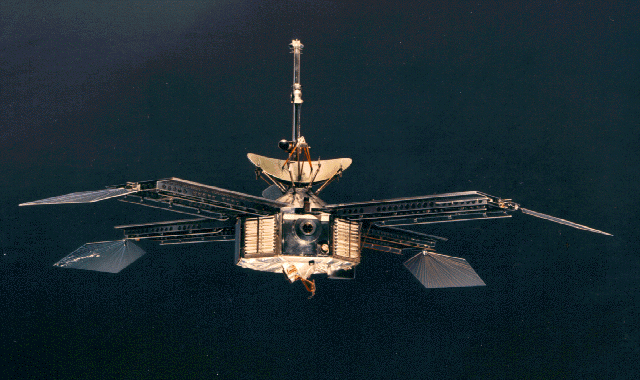
Mariner spacecraft were relatively small, long, and cylindrical, carrying solar panels, radio communications, and a modest suite of scientific instruments such as cameras, radiometers, magnetometers, and particle detectors. Different Mariner flights were optimized for flyby or orbital missions. Together, they provided atmospheric measurements, surface imaging, magnetic and charged-particle data, and thermal information that were previously unobtainable from Earth-based telescopes.
Major achievements
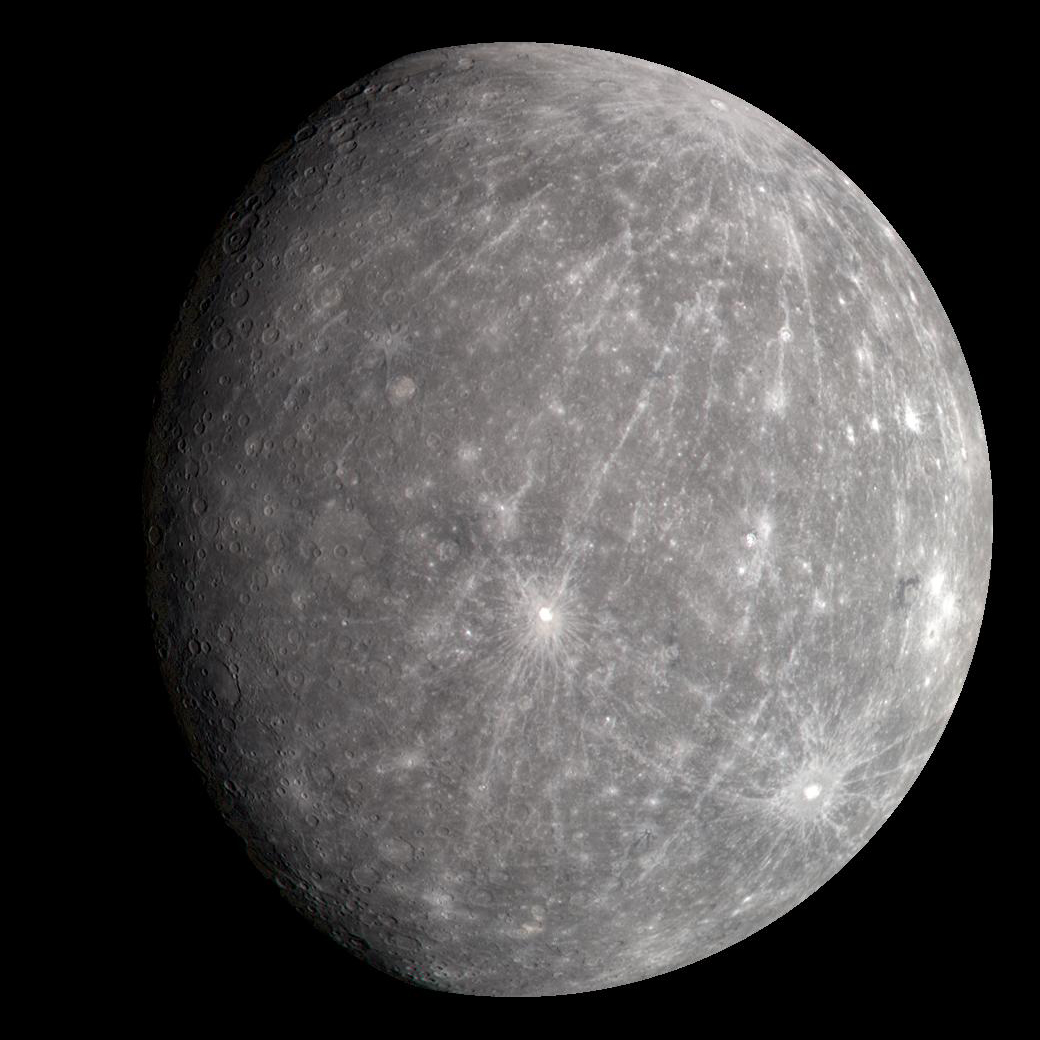
The program yielded a string of pioneering accomplishments that reshaped planetary science. Mariners performed the first successful close flybys of other planets, returned the first close-up images of Mars and Venus, placed the first spacecraft into orbit around another planet, and executed the first interplanetary gravity-assist maneuver to reach a difficult target. In total, seven of the ten Mariners completed their primary objectives while three were lost during launch or early flight.
Notable missions and examples
- Early Mariner flights performed reconnaissance flybys that sampled planetary atmospheres and solar wind interactions.
- Certain Mariners delivered the first views of Mars’ cratered terrain and provided the initial clues about its thin atmosphere and surface conditions.
- One Mariner became the first spacecraft to enter orbit around Mars, enabling extended mapping and study of seasonal and weather-related changes.
- Mariner missions also pioneered the use of a planetary gravity assist — using a close pass by Venus to redirect and accelerate a spacecraft on its way to Mercury.
Historical context and legacy
The Mariners were flown during the period of rapid expansion in space exploration that followed the launch of Earth-orbiting satellites. Technological lessons and mission concepts developed for Mariner influenced later projects and helped establish operational practices for deep-space navigation, communications, and imaging. Some planned Mariner-based concepts were later reworked into different, more ambitious missions as technology and scientific priorities evolved; for example, conceptual follow-ons contributed to the development of later programs such as the Voyager series.
Why Mariner matters
Mariner missions provided the first firm, in-situ data about our nearest planetary neighbors and turned speculative ideas about their atmospheres and surfaces into testable science. The data they returned remain part of the historical foundation for comparative planetology and informed subsequent exploration campaigns. For summaries and archival resources, see materials on early spacecraft designs and planetary mission histories provided by agencies and research centers. Additional reading and mission pages: spacecraft overview, planets studied, Voyager 1, Voyager 2.
Mariner's blend of modest hardware and innovative navigation established methods still used in planetary exploration and demonstrated how focused missions can yield transformational scientific returns.
Related articles
Author
AlegsaOnline.com Mariner program: NASA's early planetary exploration missions Leandro Alegsa
URL: https://en.alegsaonline.com/art/61950