
Mars Reconnaissance Orbiter
NASA orbiter launched in 2005 and at Mars since 2006; maps surface and atmosphere, probes subsurface ice, and serves as a high-capacity communications relay for landers and rovers.
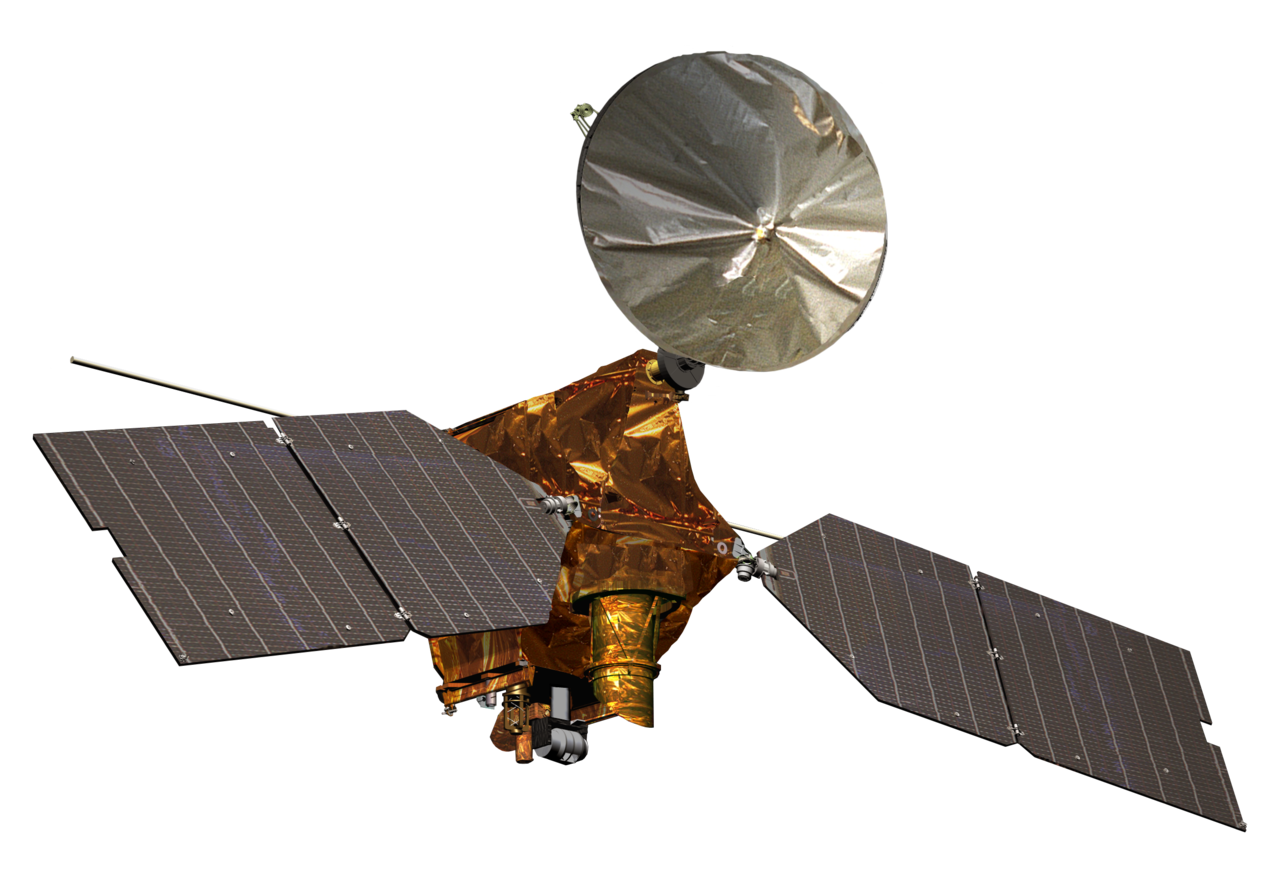
The Mars Reconnaissance Orbiter (MRO) is a NASA robotic spacecraft that has been studying Mars from orbit since 2006. Launched from Cape Canaveral on August 12, 2005, the probe arrived at Mars in March 2006 and used months of aerobraking to reach its operational orbit. MRO combines high-resolution imaging, spectral mapping and subsurface radar to study water, climate, geology and potential landing sites while also functioning as a primary data relay for surface missions.
Image gallery
10 Images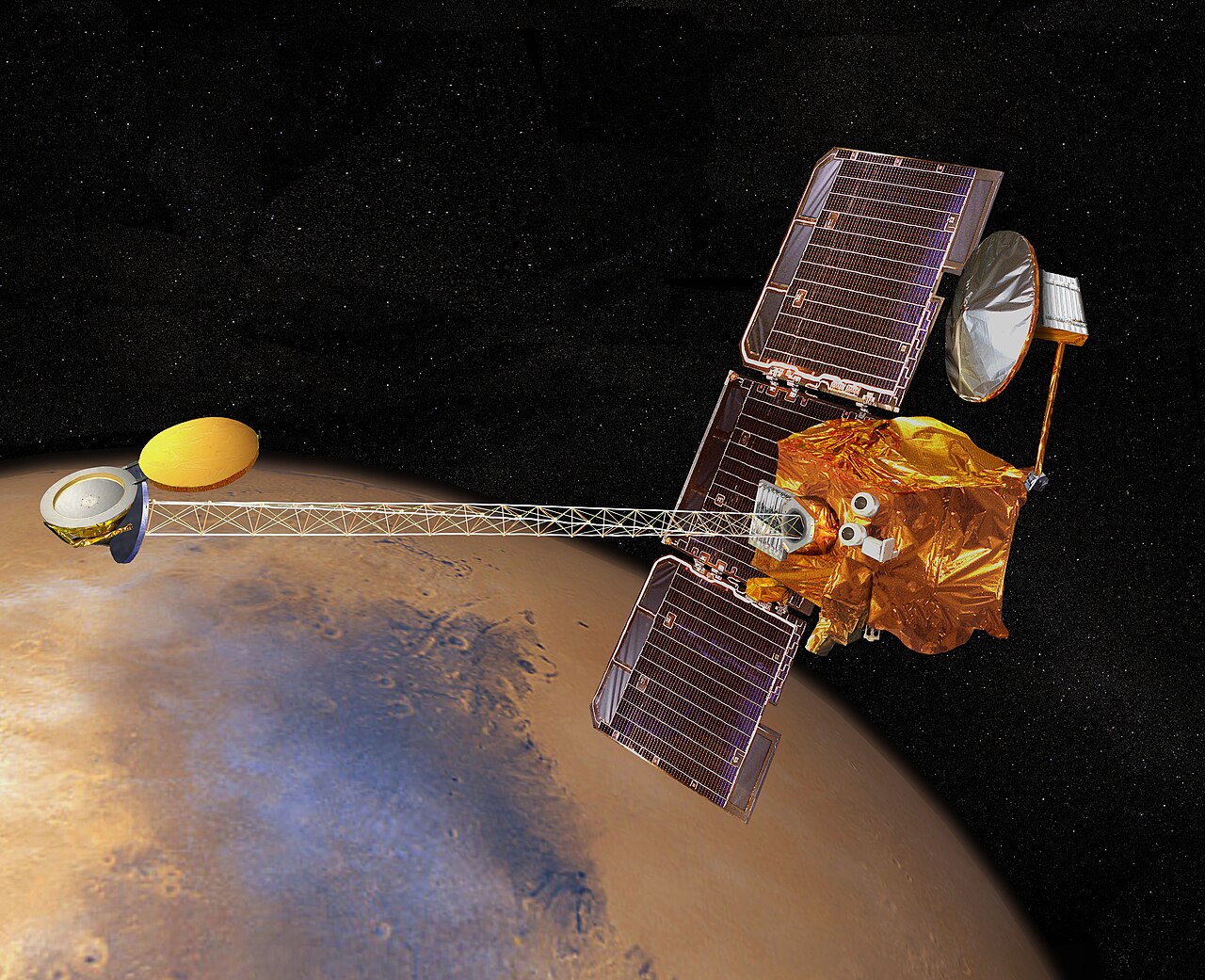


Instruments and capabilities
MRO carries a suite of scientific instruments designed for complementary observations:
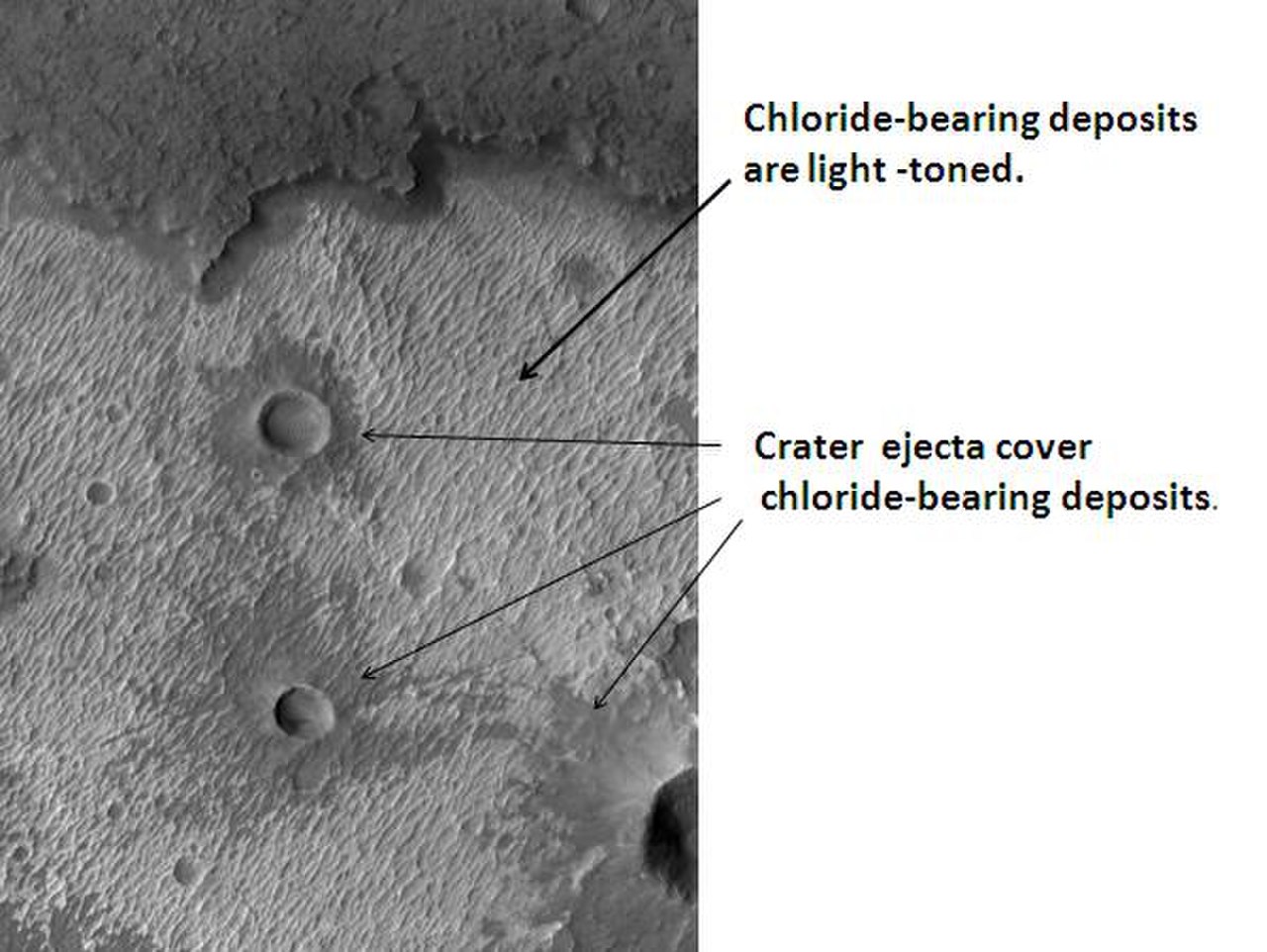
- HiRISE (High Resolution Imaging Science Experiment) — a large telescope that provides the sharpest orbital images of Mars, capable of resolving features roughly the size of a small household object on the ground.
- CTX (Context Camera) — wide-area imaging to place HiRISE pictures in regional context.
- CRISM (Compact Reconnaissance Imaging Spectrometer for Mars) — identifies minerals, especially those formed in the presence of water.
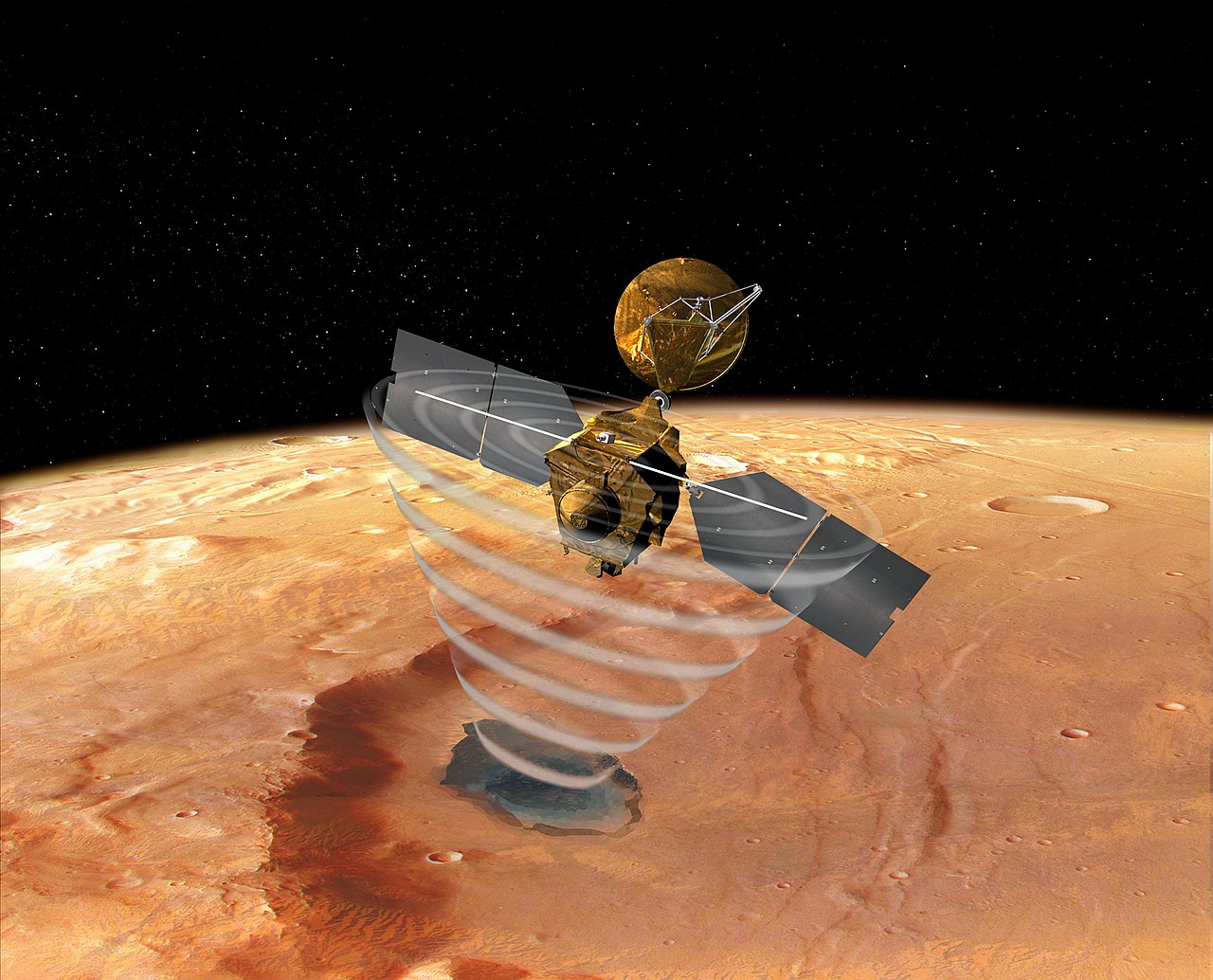
- SHARAD (Shallow Radar) — probes beneath the surface to detect layers of rock, ice and possible buried deposits.
- MARCI and MCS — monitor weather and atmospheric structure over time.
Mission history and operations
After launch on an Atlas V vehicle, MRO completed a cruise to Mars and entered orbit in March 2006. The spacecraft performed an extended aerobraking phase to lower and circularize its orbit for science observations. Its primary mission was followed by multiple extensions as the orbiter continued to return large amounts of data. Mission teams plan observations, downlink science, and manage relay sessions with surface assets from Earth-based control centers.
Scientific contributions and relay role
MRO has transformed knowledge of Mars by delivering detailed maps of surface geology, identifying hydrated minerals and seasonal changes, and providing evidence for substantial subsurface ice in several regions. HiRISE images revealed small-scale surface features and informed site selection for landers and rovers. SHARAD and other instruments have been used to infer the presence and distribution of buried ice and layered deposits.
Equally important, MRO serves as a high-capacity communications relay between Earth and Mars surface missions. It has relayed data for multiple rovers and landers, supporting operations and science returns for missions such as Spirit, Opportunity, Curiosity and Perseverance.
Significance and noteworthy facts
MRO is notable for carrying the largest telescope sent to another planet and for returning more Mars data than any previous mission. Its combination of high-resolution imaging, spectral mapping and radar sounding provides a powerful toolkit for studying Mars’ water history, climate dynamics and geologic processes. Continued operation enables long-term monitoring of seasonal and interannual changes.
Further information
Related articles
Author
AlegsaOnline.com Mars Reconnaissance Orbiter Leandro Alegsa
URL: https://en.alegsaonline.com/art/62244
Sources
- mars.jpl.nasa.gov : "Mars Reconnaissance Orbiter"