
Mars Orbiter Mission 2 (Mangalyaan 2)
ISRO's follow-up Mars orbiter project, Mangalyaan 2, is a planned Indian spacecraft intended to study Mars from orbit after the success of the first Mangalyaan mission.
Overview
Mars Orbiter Mission 2, commonly referred to as Mangalyaan 2, is the Indian Space Research Organisation's next planned spacecraft to operate around Mars. Presented as a follow-on to the agency's first Mars mission, the project aims to continue remote scientific study of the planet from orbit and to consolidate India's independent interplanetary capabilities. Details of the mission architecture and instruments have been developed by ISRO with periodic updates made public through official channels such as ISRO and project summaries held on designated Mars program pages here.
Image gallery
4 Images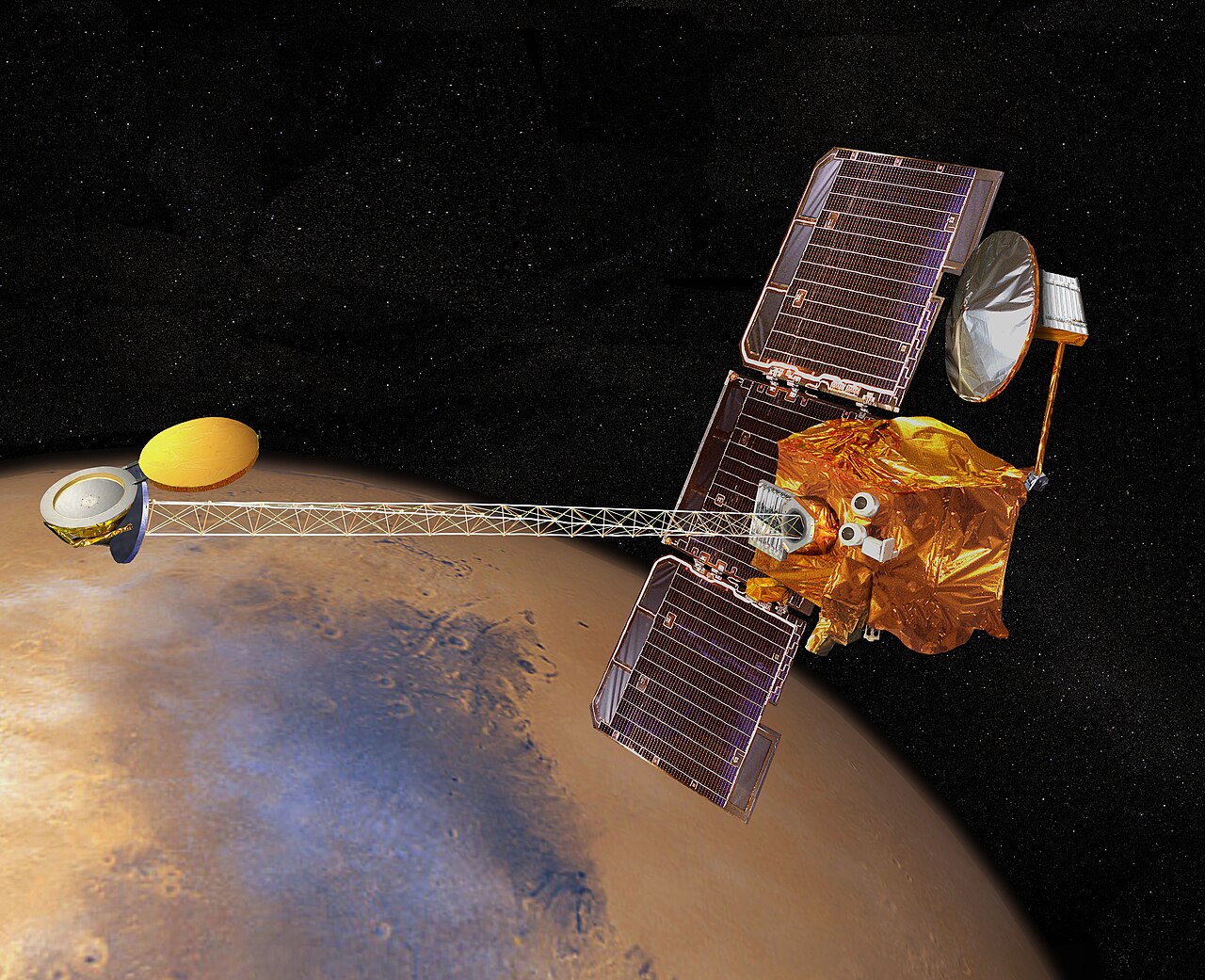


Planned objectives and characteristics
The exact payload and orbital parameters for Mangalyaan 2 have been adapted over time, but the mission is expected to carry instruments typical of Mars orbiters: optical imagers, spectrometers for mineral and atmospheric composition, and sensors to monitor atmospheric escape and weather. Core objectives commonly described in mission statements include:
- Characterizing the Martian atmosphere and its variability.
- Mapping surface composition and geological features from orbit.
- Monitoring climatic processes, dust activity, and seasonal changes.
- Demonstrating technologies and building operational experience for future missions.
History and development
India achieved a notable milestone with its first Mars probe, launched in 2013, becoming the first Asian nation to reach Martian orbit and doing so on its initial attempt; that mission is commonly known as Mangalyaan and is often referenced in introductions to the follow-up program Mangalyaan. Early planning for Mangalyaan 2 included the possibility of an integrated lander component, but in February 2021 ISRO announced that the second mission would be configured as an orbiter-only spacecraft. At various points a launch window in the mid-2020s has been targeted, with ISRO noting an intended 2024 opportunity in some planning documents and updates here, subject to revision as design and scheduling evolved.
Significance and context
Mangalyaan 2 is meant to extend scientific coverage begun by previous orbiters (including India's own first mission) and to strengthen national capability in deep-space operations. Orbiter missions are valuable because they provide long-duration, wide-area observations that support both pure science and practical applications such as mapping potential landing sites for future missions. The program also contributes to international Mars science by producing data that can complement observations from other agencies.
Notable distinctions and future prospects
Unlike some international programs that plan coordinated landers and rovers, the current plan for Mangalyaan 2 focuses on orbital science and technology demonstration. This approach reduces mission complexity while maximizing science return per launch. ISRO has indicated that lessons learned from this orbiter will feed into later, more ambitious missions. For further official details and updates, refer to the agency's releases and program pages ISRO, general Mars program summaries Mars program, schedule notes launch timeline, and materials about the original mission Mangalyaan.
Questions and answers
Q: What is Mars Orbiter Mission 2?
A: Mars Orbiter Mission 2, also called Mangalyaan 2, is India's second interplanetary craft that is designed to orbit Mars.
Q: When is it planned to be launched?
A: It is planned to be launched in the year 2024.
Q: Who is responsible for the development of Mars Orbiter Mission 2?
A: The Indian Space Research Organization (ISRO) is responsible for the development of Mars Orbiter Mission 2.
Q: What is the significance of India's first mission to reach Mars' orbit?
A: India became the first Asian nation to reach Mars' orbit on its first attempt, which is significant.
Q: Was the original plan for Mars Orbiter Mission 2 to include a lander?
A: Yes, the original plan was for Mars Orbiter Mission 2 to include a lander.
Q: Why was the decision made to exclude the lander?
A: The decision was made to exclude the lander in February 2021 by ISRO.
Q: What will Mars Orbiter Mission 2 be?
A: Mars Orbiter Mission 2 will be an orbiter.
Related articles
Author
AlegsaOnline.com Mars Orbiter Mission 2 (Mangalyaan 2) Leandro Alegsa
URL: https://en.alegsaonline.com/art/62242