
Margarine: composition, uses, history and health considerations
Margarine is a spread and cooking fat made from vegetable or animal lipids, produced to resemble butter. This article explains its composition, history, culinary uses and health issues including trans fats.
Overview
Margarine is a manufactured food product intended as an alternative to butter. It is available as a spread, a baking ingredient and a cooking fat. Modern margarines vary widely in texture, flavor and nutritional profile: some are formulated to be softer for spreading, others to perform like solid fats in pastry.
Image gallery
6 Images



Composition and production
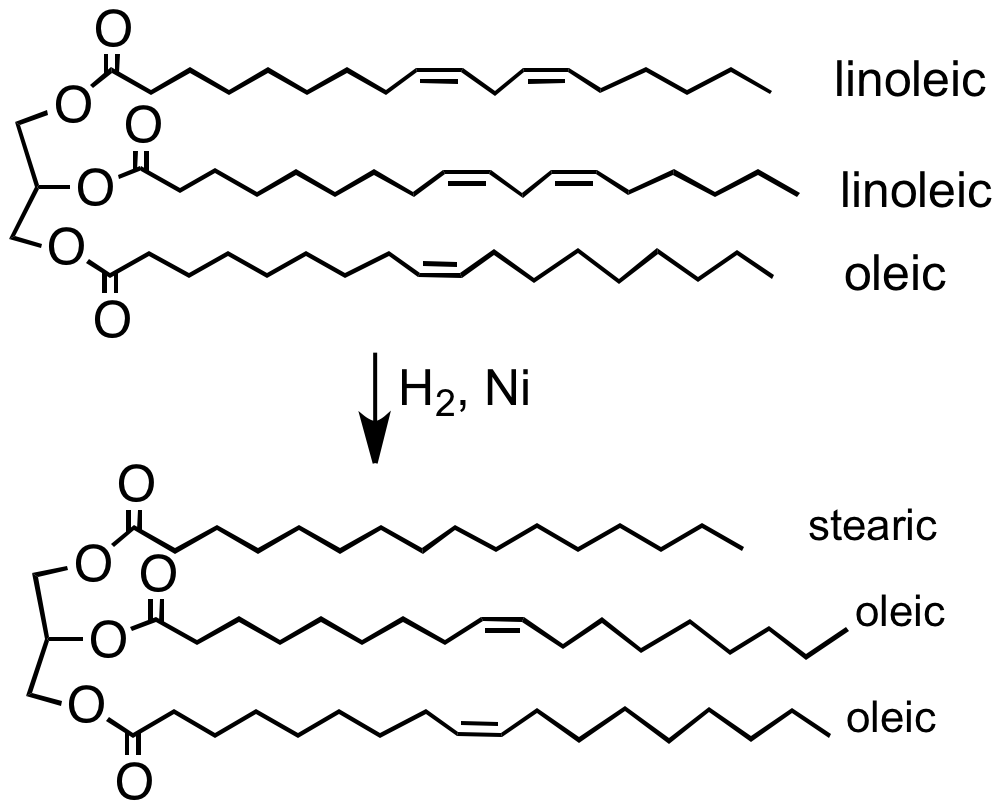
Traditional margarine is made from hydrogenated or partially hydrogenated vegetable oil or from animal fats, often blended to achieve a stable, semi-solid consistency. Manufacturers may add small amounts of skimmed milk powder, salt, coloring, flavorings and emulsifiers to imitate the taste and appearance of butter. The process can include refining, deodorizing, blending and controlled hydrogenation or other treatments to modify melting characteristics.
Types and characteristics
- Regular and stick margarines: firmer, used for baking and spreading.
- Squeezable or tub margarines: softer, typically used on bread.
- Reduced-fat margarines: contain more water and less total fat than full-fat varieties.
- Plant-oil blends: some newer products use oils such as olive oil or canola to improve fatty-acid profiles.
History and development
Margarine was developed in the 19th century as a cheaper substitute for butter. Over time, processing methods and consumer preferences changed: hydrogenation allowed vegetable oils to become solid, but later concerns about hydrogenated fats led to reformulation. Manufacturers responded by blending unhydrogenated oils, using interesterification or adding natural fats to achieve desired textures.
Uses, culinary properties and examples
Cooks use margarine for spreading, frying, sautéing and baking; its water content and emulsifiers can affect doughs and batters differently than pure butter. It appears in many baked goods, frostings and processed foods where cost, shelf life or spreadability matter.
Health, regulation and consumer choices
Health concerns have focused on industrially created trans fats, which form during some hydrogenation processes and are associated with increased risk of heart disease. Because of this, many manufacturers now limit or eliminate trans fats and advertise blends based on non-hydrogenated vegetable oils. Consumers choosing spreads may compare labels for saturated fat, trans fat, and type of oil; alternatives such as pure olive oil or moderate use of butter remain common, depending on culinary needs and dietary priorities.
Related articles
Author
AlegsaOnline.com Margarine: composition, uses, history and health considerations Leandro Alegsa
URL: https://en.alegsaonline.com/art/61762