
Masala — South Asian spice blends: types, uses, and culinary role
Masala: South Asian term for mixtures of spices used as powders, pastes or tempering. Covers ingredients, common blends, regional varieties, preparation, storage, culinary techniques and practical tips.
Masala is a widely used term across South Asia that denotes a mixture of spices blended to flavour food. The word appears in many regional languages (for example Gujarati, Marathi and Nepali) and is particularly central to cooking in India. In everyday culinary speech a cook may say simply "add masala" to mean a specific spice mix suited to a recipe. Masala may be sold ready-made or prepared fresh at home using whole or ground spices.
Image gallery
4 Images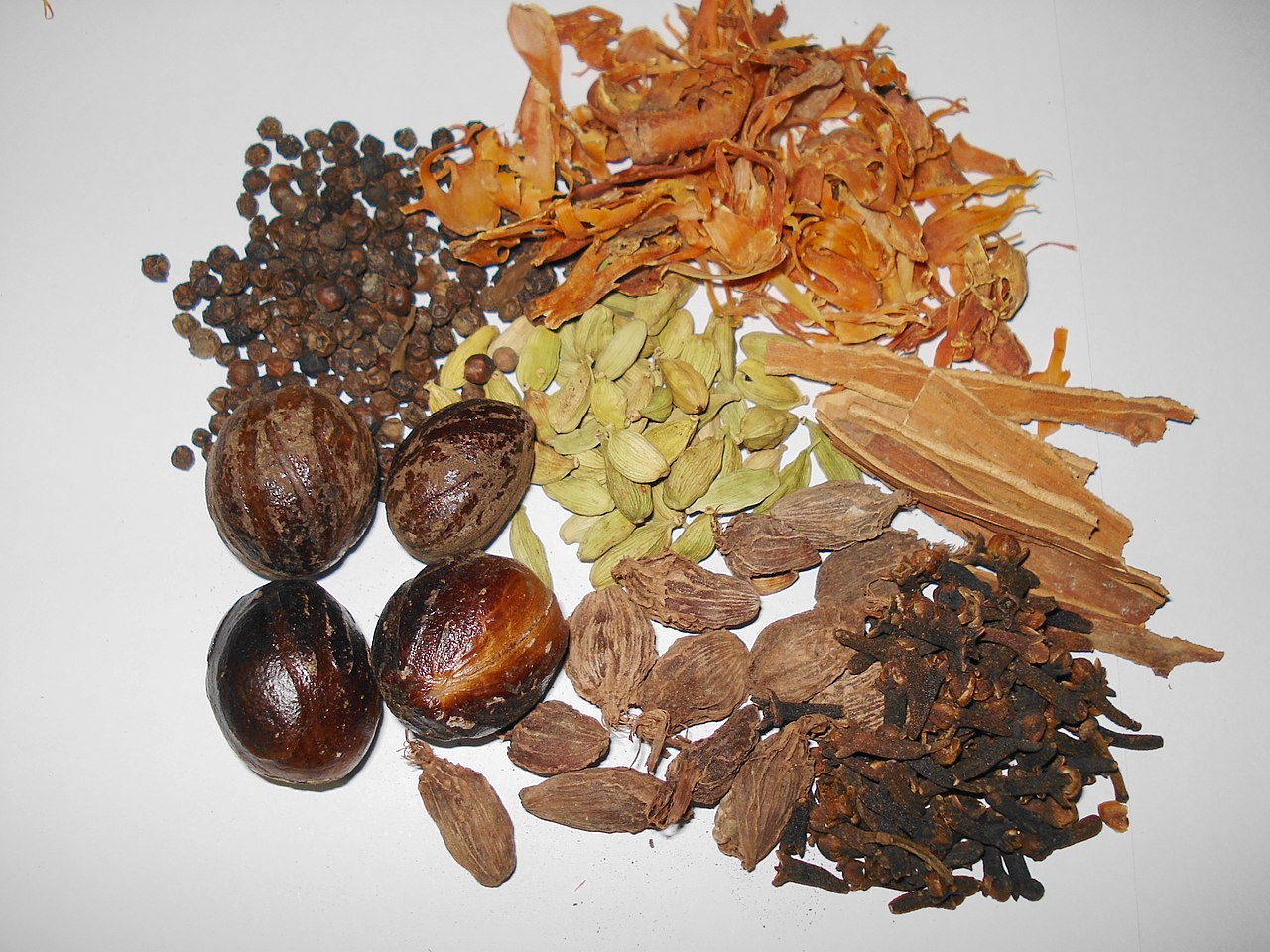

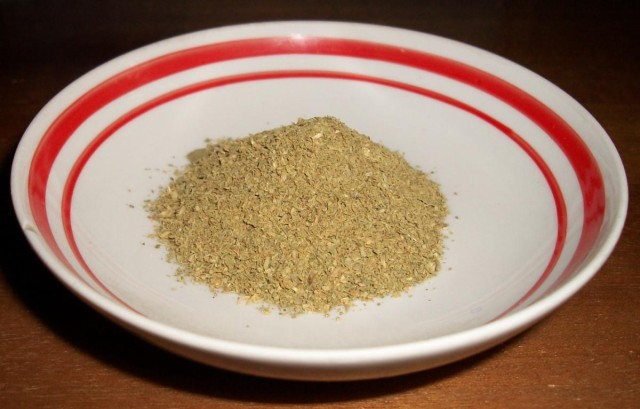

Forms and basic preparation
Masala can be prepared in several forms: a dry powder obtained by roasting and grinding whole spices; a coarse crushed mixture; or a wet paste made by blending spices with aromatics such as garlic, ginger, fresh chilies, onion or oil. Many preparations begin with dry-roasting whole seeds, pods and bark briefly to release essential oils, then cooling and grinding to the desired texture. Heat, roasting time and grinding fineness strongly influence the final flavour.
Common ingredients and typical blends
- Typical ingredients include cumin, coriander, turmeric, black pepper, cloves, cinnamon, cardamom, mustard seed and fenugreek. Varied amounts produce very different profiles.
- Named blends reflect particular uses: for example garam masala is a warming finishing spice, chaat masala adds tangy notes, and tandoori masala is formulated for grilled or baked dishes.
Many dishes carry the masala name because the spice mix defines their character. Examples range from masala chai (spiced tea) to Chicken tikka masala, a tomato‑based curry enjoyed in places such as the United Kingdom and Ireland, and chana masala, a popular chickpea dish flavoured with a tangy spice blend.
Regional variation and cultural role
Masala blends reflect regional climates, local agriculture and foodways. Coastal regions often combine spices that pair with fish and coconut, while northern and mountain cuisines use warming blends suited to colder weather. Trade routes and historical exchange introduced new ingredients and techniques, so recipes vary widely between households, communities and states. In many South Asian cultures making masala at home is a routine practice, and recipes are passed down through families.
Culinary techniques and timing
How and when masala is used in cooking affects the flavour outcome. Some blends are fried briefly in oil at the start of cooking to bloom their aromas and form the base of a sauce; others are added at the end as a finishing seasoning to preserve volatile fragrance. Tempering (known as tadka or baghaar)—heating whole spices in oil or ghee until aromatic and pouring that over a dish—is a common method for releasing flavour quickly.
Commercial production and storage
Prepared masalas are widely available in markets and supermarkets, packaged as powders, pastes or sachets. Commercial blends offer convenience and consistency, but may include anti-caking agents, salt or preservatives; consumers who need to control sodium or additives should read labels. For best aroma, whole spices kept in airtight containers away from heat and light retain flavour longer than pre-ground powders. Freshly ground masala typically has brighter, more volatile flavours than long-stored powders.
Nutrition, health and practical tips
Many spices used in masalas—such as turmeric, cumin and coriander—have long histories of culinary and medicinal use in traditional systems; they also add negligible calories while contributing antioxidants and aroma. When substituting blends, adjust quantities gradually: strong spices like cardamom or clove can quickly dominate. If a recipe calls for a specific masala you do not have, identify its dominant notes (warm, tangy, earthy or smoky) and recreate them by combining basic spices in small test batches.
Learning and adapting
Because masala is a broad category rather than a single standardized item, learning a handful of base blends and mastering simple techniques—toasting, grinding, tempering and forming pastes—gives cooks the flexibility to reproduce regional flavours or to innovate. Whether made fresh at home or bought ready-made, masala remains a defining element of South Asian cuisine and an accessible way to vary taste, aroma and intensity in everyday cooking.
Related articles
Author
AlegsaOnline.com Masala — South Asian spice blends: types, uses, and culinary role Leandro Alegsa
URL: https://en.alegsaonline.com/art/62570