
Butter: composition, production, varieties, and culinary uses
Overview of butter: milkfat composition, production methods, types (salted, clarified, ghee, non-cow milks) and culinary uses from spreading and baking to sauces and frying.
Butter is a dairy food made primarily from the concentrated milkfat that comes from whole milk. It is produced by agitating the cream until the fat separates from the liquid components, leaving solid butter and a thin, tangy liquid called buttermilk.
Image gallery
10 Images




Composition and properties
Typical butter contains about 80% milk fat, with the remainder consisting of water and milk solids. Its melting behavior depends on composition and temperature, but the fat phase generally begins to melt around 45 °C (113 °F). Butter is calorie-dense: 100 g provides roughly 717 kilocalories.
How butter is made
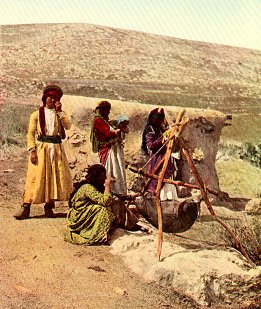
Commercial and home production both rely on mechanical action—churning or vigorous mixing—to break up cream and allow fat globules to coalesce. After the solids are gathered, producers often wash and knead the mass to remove excess buttermilk. Salt, natural flavorings, or preservatives may be added to extend shelf life or change taste. A further processing step, heating and removing the water and milk solids, yields clarified butter or ghee, which has different cooking properties.
Sources of milk
While most butter is made from cow's milk, manufacturers and artisans can use the milk of other mammals as well. Examples include sheep and goats, and in some regions people make butter from animals such as bison or yaks. The milk source affects flavor, color, and fat composition.
Culinary uses
- As a spread on bread and similar baked goods.
- As a key ingredient in many types of biscuits and pastries.
- Used as a shortening or tenderizing fat in baking and pastry work, and to enrich sauces.
- Employed in cooking and for frying, where its flavor and browning qualities are often preferred to neutral oils.
Cooks choose butter for its texture and taste as well as its functional properties in recipes; in some preparations, oils or other fats are substituted for nutritional or practical reasons.
Tags
Related articles
Author
AlegsaOnline.com Butter: composition, production, varieties, and culinary uses Leandro Alegsa
URL: https://en.alegsaonline.com/art/15681