
Marie-Antoine Carême: Architect of French Haute Cuisine
Marie-Antoine Carême (1784–1833) was a French chef and writer who systematized haute cuisine, created elaborate pastry sculptures, wrote influential cookery books, and served leading statesmen and royalty.
Marie-Antoine Carême (1784–1833) was a French chef and culinary author whose work helped transform professional cooking into a codified art. Rising from modest origins, he combined technical skill, a talent for dramatic presentation and a scholarly approach to recipes and menu structure. Carême is remembered for shaping what 19th-century France called grande or haute cuisine and for making culinary practice more systematic and teachable.
Image gallery
6 Images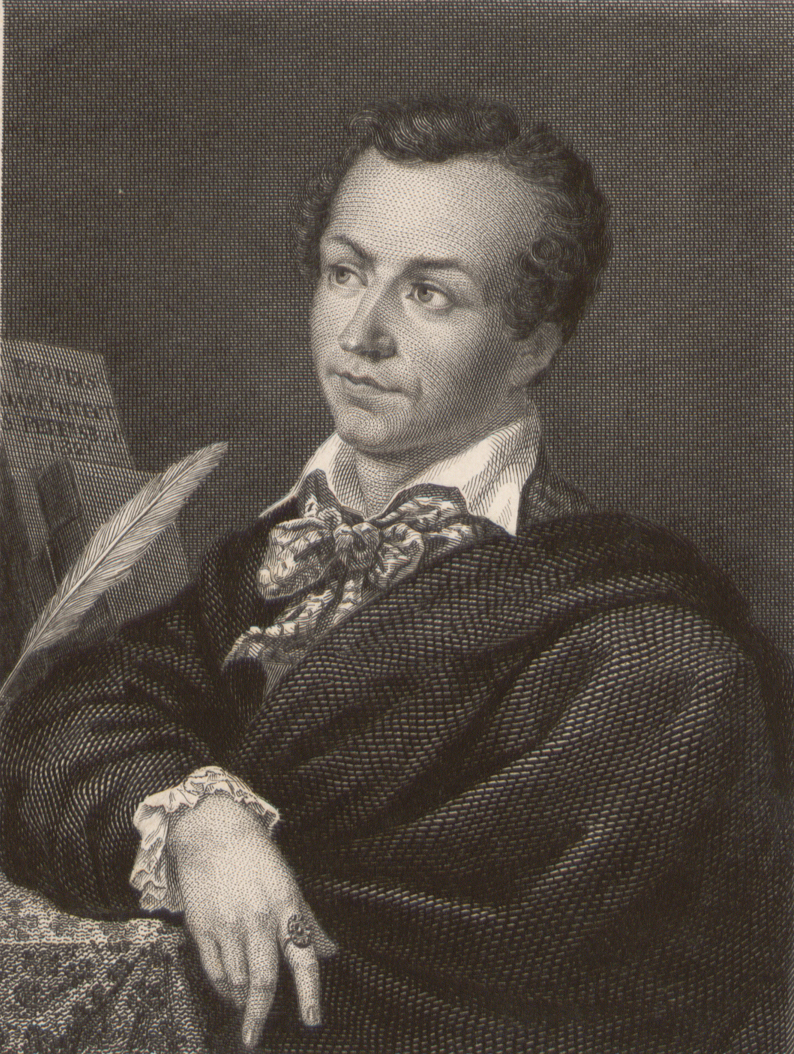


Early life and professional rise
Born into a poor Parisian family, Carême entered the food trade as a teenager. He trained in pastry and confectionery, advancing rapidly because of an aptitude for complex preparation and ornament. Over his career he worked for high-ranking diplomats and sovereigns, traveling beyond France to cater to foreign courts and state occasions. This trajectory led contemporaries to dub him the "chef of kings," since he served notable patrons and sovereigns in several countries (royalty and statesmen).
Style, techniques and innovations
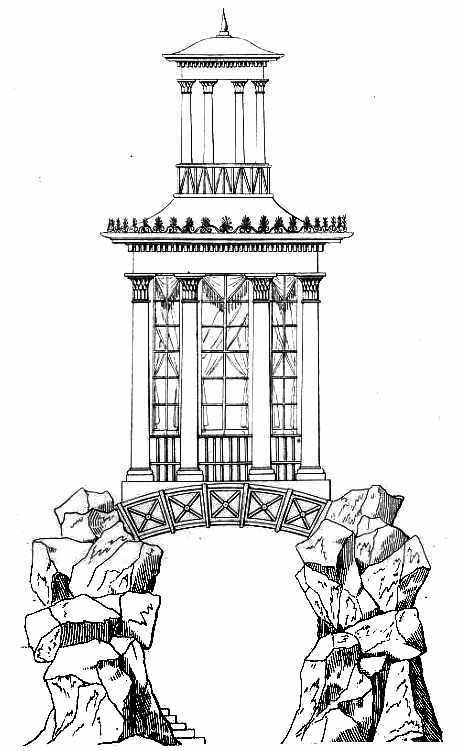
Carême emphasized clarity, refinement and balance. He favored elaborate but disciplined presentations, particularly architectural sugar and pastry constructions known as pièces montées. His work placed equal weight on taste, technique and visual impact. He also advocated organization in the kitchen: standardizing recipes, classifying preparations and promoting consistent methods so that complex service could be reproduced reliably.
Writings and systematization
As an author he produced multi-volume cookery works and manuals that collected recipes, techniques and menus. These books were intended for professional cooks and wealthy households alike and helped spread a shared vocabulary for sauces, stocks, pastries and composed dishes. Rather than isolated recipes, Carême’s writings encouraged the understanding of culinary families and the logic of menu composition—an approach that influenced later teachers and codifiers of French cuisine.
Notable contributions
- Promotion of architectural and decorative pastry as celebratory centerpieces.
- Systematic presentation of professional recipes and kitchen organization.
- Influence on the development of haute cuisine and the professional status of cooks.
Because of his public profile, dramatic creations and role with prominent patrons, Carême is often regarded as one of the earliest examples of a public culinary celebrity—the so-called "first celebrity chef"—a label that highlights his influence on how chefs could be known beyond the kitchen (celebrity chef). His combination of artistry and administrative rigor left a lasting mark on professional cooking and on the culture of fine dining in Europe.
Questions and answers
Q: Who was Marie Antoine Carême?
A: Marie Antoine Carême was a famous French chef and author.
Q: What was Carême known for?
A: Carême was known for greatly simplifying and writing about the style of cooking known as haute cuisine, the high art of French cooking.
Q: How was Carême referred to by others?
A: Carême was known as "chef of kings and king of chefs".
Q: Why was Carême considered the first celebrity chef?
A: Carême was considered the first celebrity chef because he cooked for royalty and was well-known and celebrated for his culinary skills.
Q: When was Carême born?
A: Carême was born on June 8, 1784.
Q: When did Carême pass away?
A: Carême passed away on January 12, 1833.
Q: What is haute cuisine?
A: Haute cuisine is a style of cooking that focuses on high-quality ingredients and precise preparation techniques. It is typically associated with French cuisine.
Related articles
Author
AlegsaOnline.com Marie-Antoine Carême: Architect of French Haute Cuisine Leandro Alegsa
URL: https://en.alegsaonline.com/art/61858
Sources
- caliber.ucpress.net : Citation Gastronomica, Summer 2001, Vol. 1, No. 3