
Marshmallow (confectionery)
Soft, aerated confection made from sugar, water and a gelling agent; used in desserts, drinks, and snacks with many variations including vegan and spreadable forms.
Marshmallow is a soft, spongy confection known for its light, bouncy texture and sweet, neutral flavor. Modern marshmallows are made by aerating a hot sugar syrup and combining it with a gelling agent so the foam sets into a stable, elastic mass. They appear as individual pieces, mini pellets, or as a spreadable cream and are eaten plain, toasted, melted into recipes, or used as decorations on hot drinks and baked goods.
Image gallery
10 Images


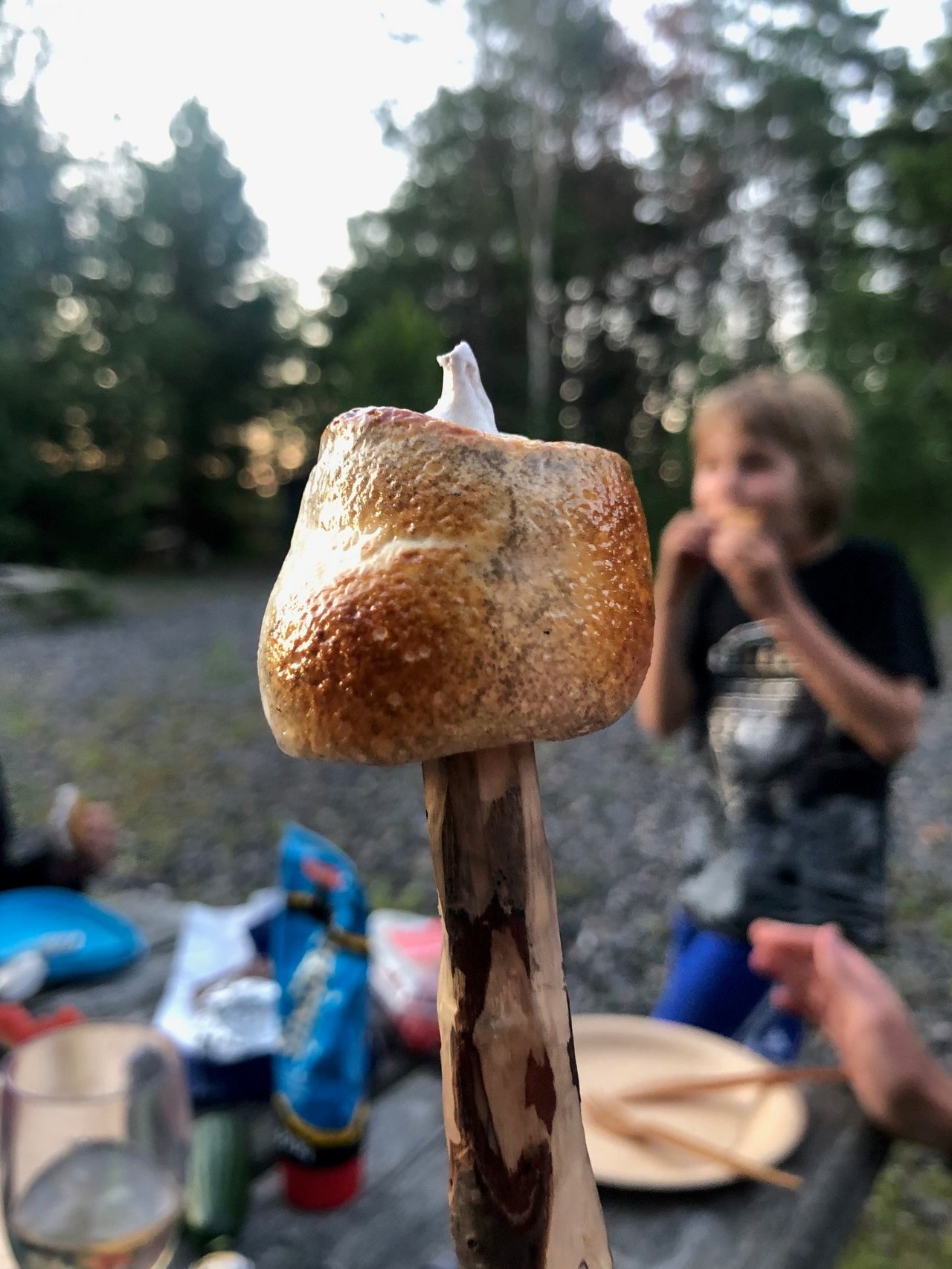
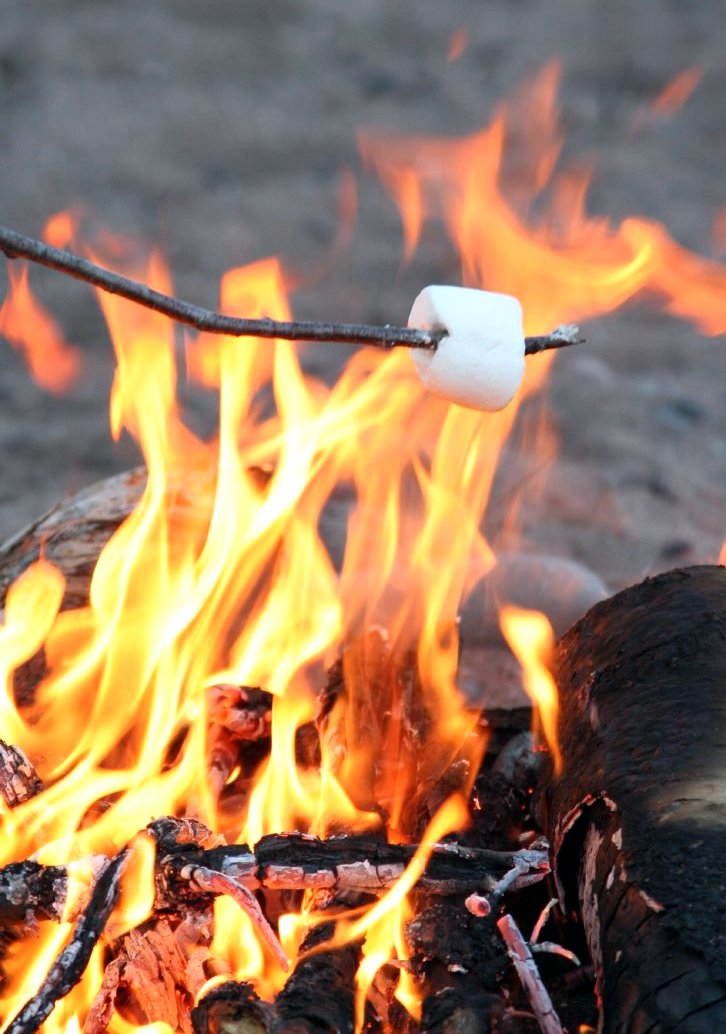
Typical composition and manufacture
The basic components are a concentrated sugar syrup and a stabilizer that traps air. Common ingredients include:
- sugar and invert syrups to provide sweetness and structure
- corn syrup or glucose to reduce crystallization and control texture
- water to dissolve sugars and form the syrup
- gelatin or plant-based alternatives (agar, pectin) to set the foam
- flavorings (vanilla is typical) and sometimes egg white or dextrose for mouthfeel
In commercial production, the heated syrup is whipped with the gelling agent and aerated, then deposited into molds or extruded and coated with a starch–sugar dusting to prevent sticking. Homemade recipes often use similar steps on a smaller scale and may finish with powdered sugar.
History and origins
The name and earliest forms derive from the marsh mallow plant (Althaea officinalis), whose sap was used in ancient medicinal lozenges in Egypt and parts of Europe. By the 19th century confectioners in France had adapted the marsh mallow sap into a sweetened, whipped treat. With industrial sweeteners and gelatin, the modern springy confection developed and became widely mass-produced in the 20th century.
Uses, variations and cultural notes
Marshmallows have many culinary roles: they are toasted over fires for s'mores, stirred into hot chocolate, melted into candies such as nougat, or combined with crisped cereal to make bars. Spreadable forms (marshmallow creme) are used as sandwich fillings and frostings. Manufacturers produce flavored, colored, and chocolate-coated versions, as well as vegan marshmallows made with plant gelling agents for those avoiding gelatin.
- Common preparations: roasting, melting, folding into batters.
- Distinct products: marshmallow versus marshmallow creme (a spreadable form).
- Alternative gelling agents allow vegetarian and kosher variations.
Marshmallows are an ingredient, a snack, and a cultural icon in many regions. They illustrate how a culinary idea evolved from a medicinal plant extract into a versatile confection enjoyed in both simple and elaborate forms.
For general context, see entries on confectionery and sweeteners (candy), sugar processing (sugar), syrup production (corn syrup), culinary water uses (water), gelling agents (gelatin), and beverage pairings such as hot chocolate.
Related articles
Author
AlegsaOnline.com Marshmallow (confectionery) Leandro Alegsa
URL: https://en.alegsaonline.com/art/62284