
Marzipan: almond-based confection and cake covering
Marzipan is a sweet paste of ground almonds and sugar or honey, used as a confection, a decorative modeling medium and a smooth cake covering. This article covers ingredients, production, uses and precautions.
Marzipan is a sweet, pliable paste made primarily from ground almonds and a sweetener. It is widely used as a confection in confections and sweets and as a decorative or protective layer for cakes. Its smooth texture and ability to hold fine detail have made it popular for modeling small figures and realistic fruit shapes as well as for creating a clean surface prior to icing or fondant.
Image gallery
10 Images


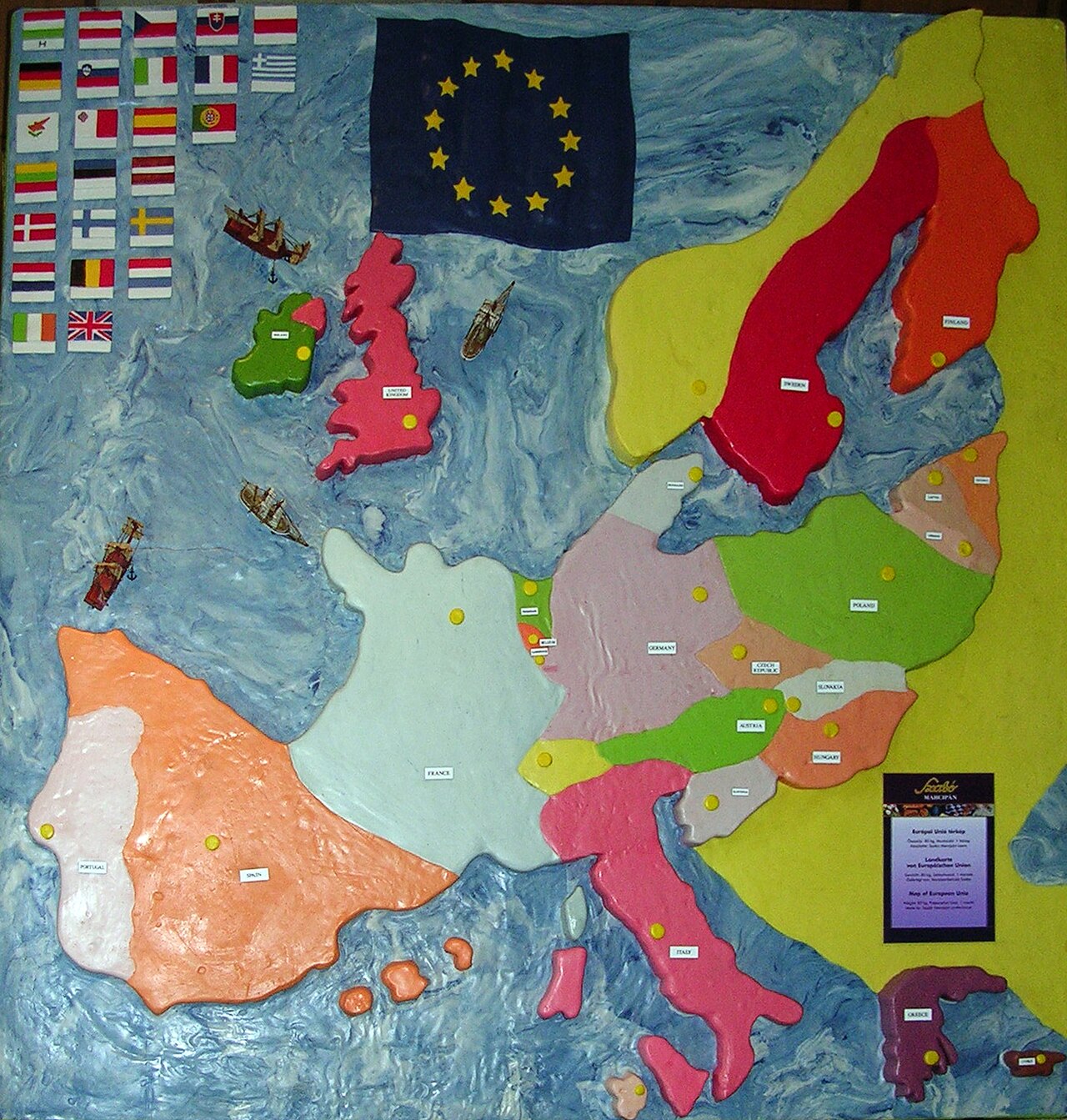
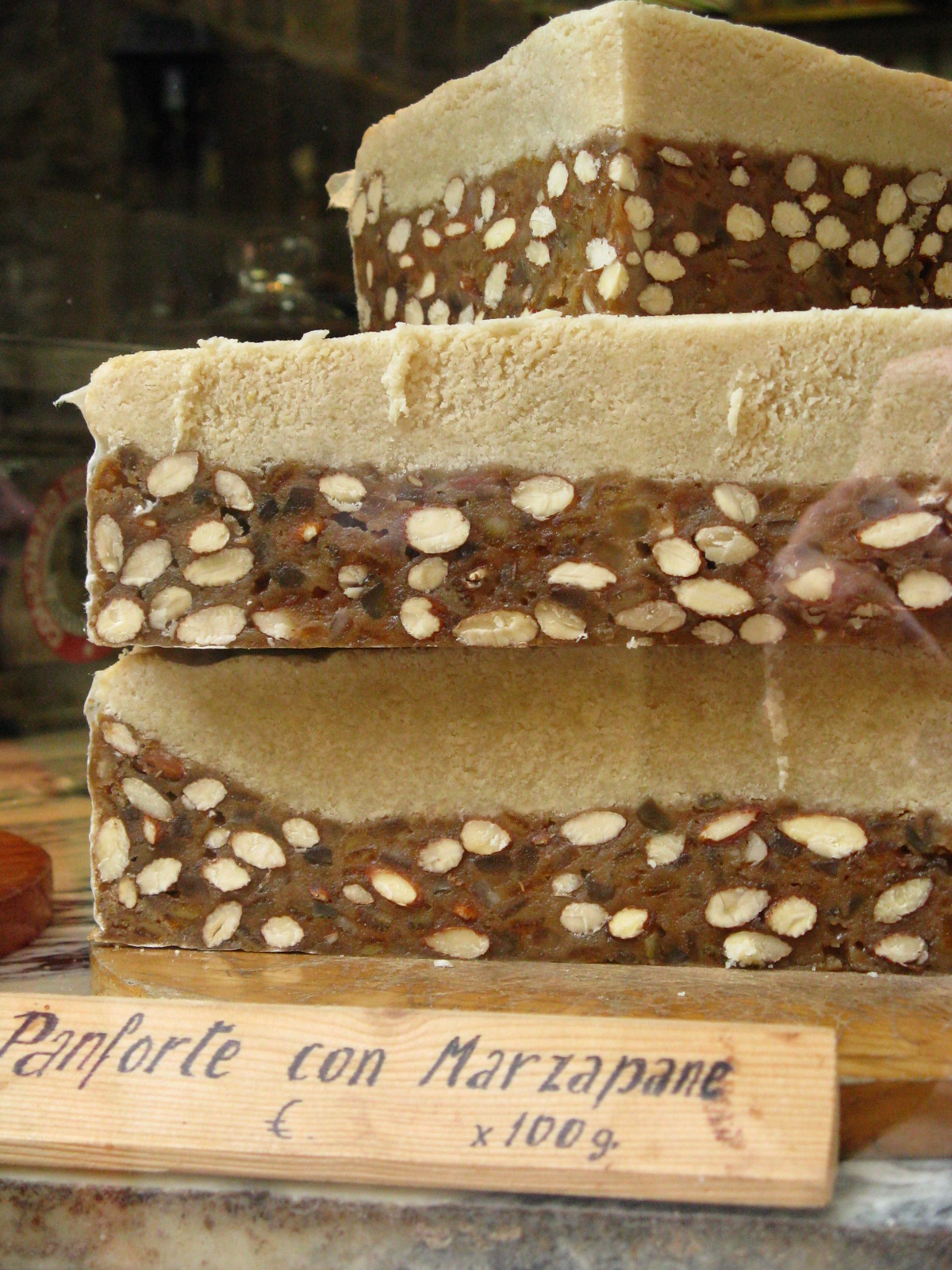
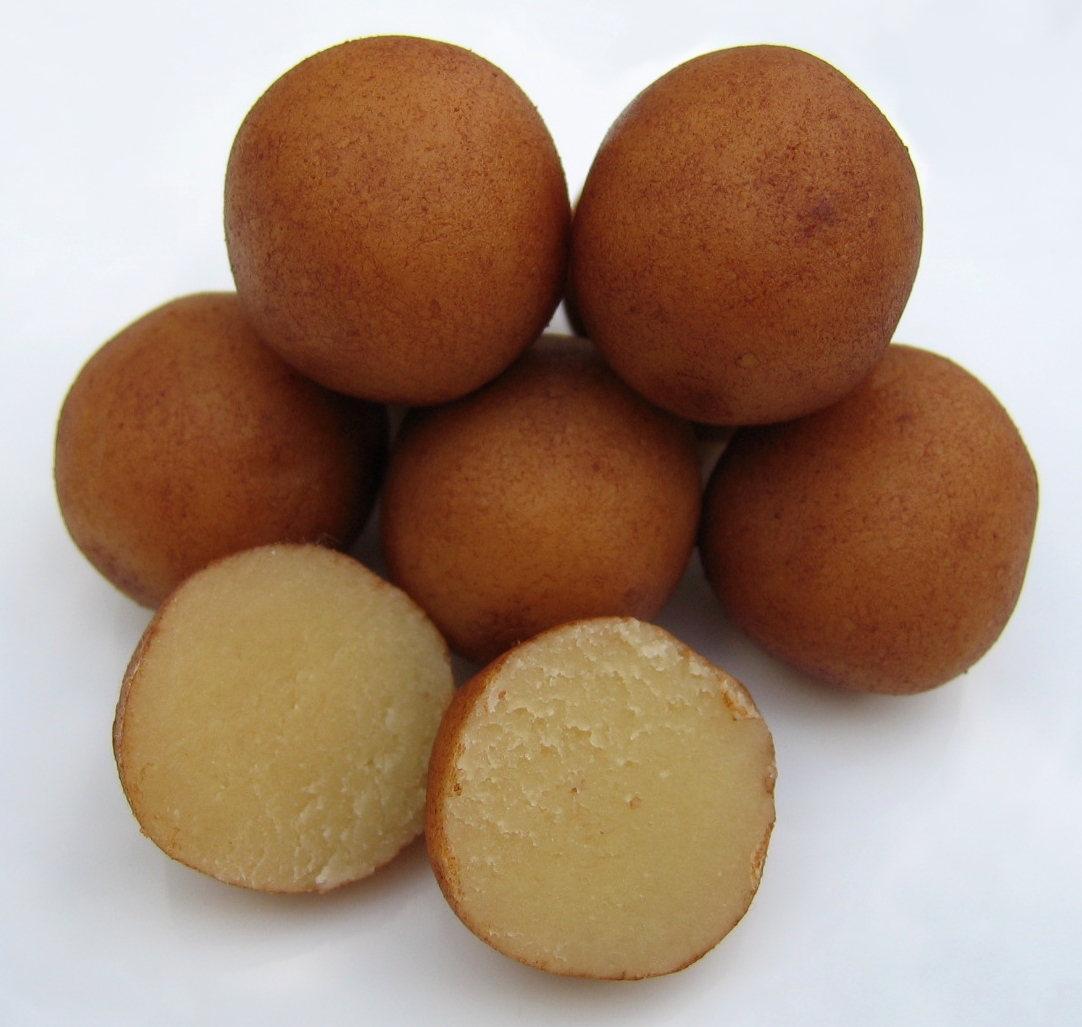


Ingredients and common variations
The basic components are finely crushed almonds (often called almond meal) and a sweetening agent such as sugar or honey, sometimes with added almond oil or extract for flavor. Commercial and home recipes vary in the almond-to-sweetener ratio, producing firmer paste (often called marzipan) or softer almond paste. Some regional styles use blanched almonds to obtain a pale color; others leave the skins on for a nuttier taste.
Preparation, shaping and finishing
Marzipan is mixed, kneaded and worked until smooth, then shaped by hand or rolled into thin sheets used to cover cakes. It can be colored and sculpted into small ornaments and is often glazed before serving; glazing is a cooking technique that adds shine and a slightly firmer surface. A popular confection involves coating marzipan pieces in chocolate or forming tiny marzipan fruits and vegetables for decoration.
Uses and examples
- As an underlayer for icing and fondant on celebration cakes.
- Modeled into decorative figures for pastries and centerpieces.
- Formed into small sweets, often boxed as gifts or sold in specialty stores.
Marzipan also appears in regional holiday traditions and in artisanal chocolates or bonbons. Its malleability makes it a favorite for detailed edible sculpture in patisserie.
History, distinctions and health notes
Marzipan has long roots in the Mediterranean and Middle Eastern culinary sphere and evolved into many local variants across Europe and beyond. It is distinct from almond paste primarily in texture and sweetness level: almond paste tends to be coarser and less sweet, while marzipan is smoother and used for decoration. Because it is made from nuts, marzipan is a common allergen; people with tree-nut allergies should avoid it or seek specially formulated alternatives. In some recipes, apricot kernel or other nut substitutes have been used to mimic almond flavor, but such substitutions require caution and should be clearly labeled.
For practical use, store marzipan wrapped and refrigerated to preserve freshness and prevent drying; bring to room temperature before shaping for best pliability.
Key references and further reading may be found through confectionery and pastry resources; for practical recipes and techniques consult specialized guides on pastry, modeling and candy making.
Related topics: almond varieties, honey vs sugar, and traditional regional confections are useful starting points for deeper exploration.
Related articles
Author
AlegsaOnline.com Marzipan: almond-based confection and cake covering Leandro Alegsa
URL: https://en.alegsaonline.com/art/62524