
Baking: methods, ingredients, products and cultural role
Baking is the dry-heat cooking of doughs and batters—most often in an oven—producing bread, cakes, pastries and many savory dishes. This article explains methods, ingredients, techniques and common uses.
Overview
Baking is a method of cooking that uses dry heat to transform a mixture of ingredients into a finished food. Most commonly it occurs in an oven, but traditional and field methods include burying items in hot ashes or placing them on heated stones. Foods made by baking are collectively known as baked goods and range from simple flatbreads to elaborate confections.
Image gallery
10 Images
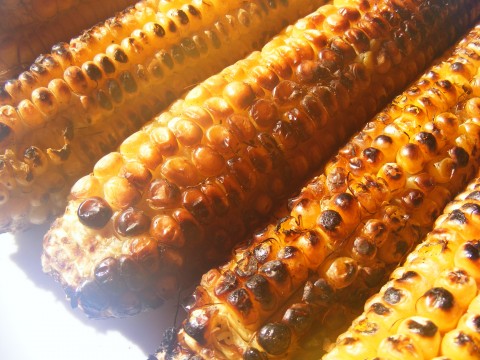

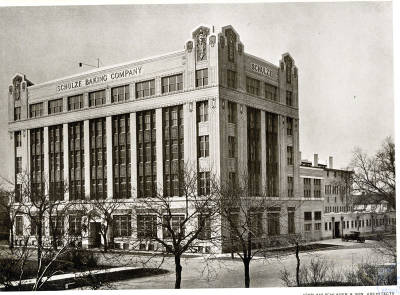


Ingredients and basic chemistry
Typical baking ingredients include flour, water, fats (shortening, butter, oil), eggs, milk and sugar. These components are combined into either a dough (thicker, kneadable) or a batter (pourable). Leavening agents such as baker's yeast or chemical leaveners like baking powder and baking soda generate gases that expand during heating and make the product rise. Protein and starch in flour form a network (gluten) that traps gases and gives structure; fats tenderize the crumb by coating flour proteins; eggs contribute emulsification, color and strength. Whipped egg whites are commonly used to produce a light, airy texture in cakes and meringues.
Common baked goods
Baking yields a wide variety of foods. Typical categories include:
- Bread — from flatbreads to leavened loaves.
- Cakes — sweet, often layered or frosted.
- Pastries — laminated or enriched doughs for tarts and turnovers.
- Pies and tarts — filled pastries with sweet or savory fillings.
- Cookies — small, portioned sweet baked items.
Techniques and equipment
Successful baking depends on technique as much as ingredients. Common practices include accurate measuring, proper mixing methods (such as creaming, folding or kneading), temperature control and timing. Equipment ranges from home ovens and baking pans to commercial ovens and proofing cabinets found in a bakery. Understanding how heat travels and how moisture evaporates helps bakers adjust recipes for altitude, humidity and oven type.
History and cultural importance
Baking has ancient roots tied to the control of fire and grain cultivation. Early peoples baked flatbreads on stones or in embers before movable clay and brick ovens became widespread. Bread in many societies became a staple food and baking evolved into a skilled craft and, eventually, a profession. Industrialization introduced mechanized mixing, large ovens and mass production, changing availability and varieties of baked goods.
Savory uses and regional variations
Beyond desserts and bread, baking is used for many savory dishes. Examples include baked potatoes, baked fruit preparations like baked apples, legumes such as baked beans, assembled pasta bakes including lasagna, and traditional snacks such as the pretzel. Regional cuisines adapt baking ingredients and techniques to local grains, fats and flavorings, producing a global diversity of baked specialties.
Practical notes and variations
Home bakers often start with simple recipes and learn to recognize signs of doneness—color, internal temperature and crumb texture—while experienced bakers may modify formulas to alter sweetness, texture or shelf life. Gluten-free, vegan and low-sugar variations use alternative flours, egg replacers and binders to achieve similar structures. Whether pursued as a daily routine or an artisanal craft, baking combines science, skill and creativity to produce widely enjoyed foods.
Questions and answers
Q: What is baking?
A: Baking is a skill or way of cooking food in an oven. It can also be done in hot ashes or hot stones.
Q: What types of foods are made by baking?
A: Foods made by baking include bread, cakes, pastries, pies, tarts, cookies and other baked goods.
Q: What ingredients are used for baking?
A: Ingredients used for baking include flour, water, leavening agents (baker's yeast, baking soda and powder), shortening (fats and oils), eggs, milk and sugars.
Q: How does the dough rise when it is heated?
A: The leavening agents produce gas that becomes trapped in the dough which makes it rise when heated.
Q: How does shortening affect the texture of baked goods?
A: Shortening makes doughs more easily workable and the bread that comes out in the end more soft and tender.
Q: What role do egg whites play in making baked goods?
A: Egg whites help to make a light and airy texture for baked goods.
Q: Where are baked goods typically sold?
A: Baked goods are usually sold at bakeries.
Tags
Related articles
Author
AlegsaOnline.com Baking: methods, ingredients, products and cultural role Leandro Alegsa
URL: https://en.alegsaonline.com/art/8418
Sources
- britannica.com : "baking (cooking) -- Britannica Online Encyclopedia"
- get-crafty.co.za : "Craft Directory - Baking"