
Heart disease: overview, types, causes, diagnosis and treatment
Comprehensive overview of heart disease: definitions, major types (congenital and acquired), common conditions, causes, symptoms, diagnosis, treatments, prevention and public health importance.
Overview
Heart disease is a broad term for conditions that impair the structure or function of the heart. It ranges from problems present at birth to conditions that develop later in life. When a person is born with a structural heart problem it is called congenital heart disease; infants and babies may require specialized care. Most cases encountered in adults, however, are acquired and related to other health factors.
Image gallery
3 Images
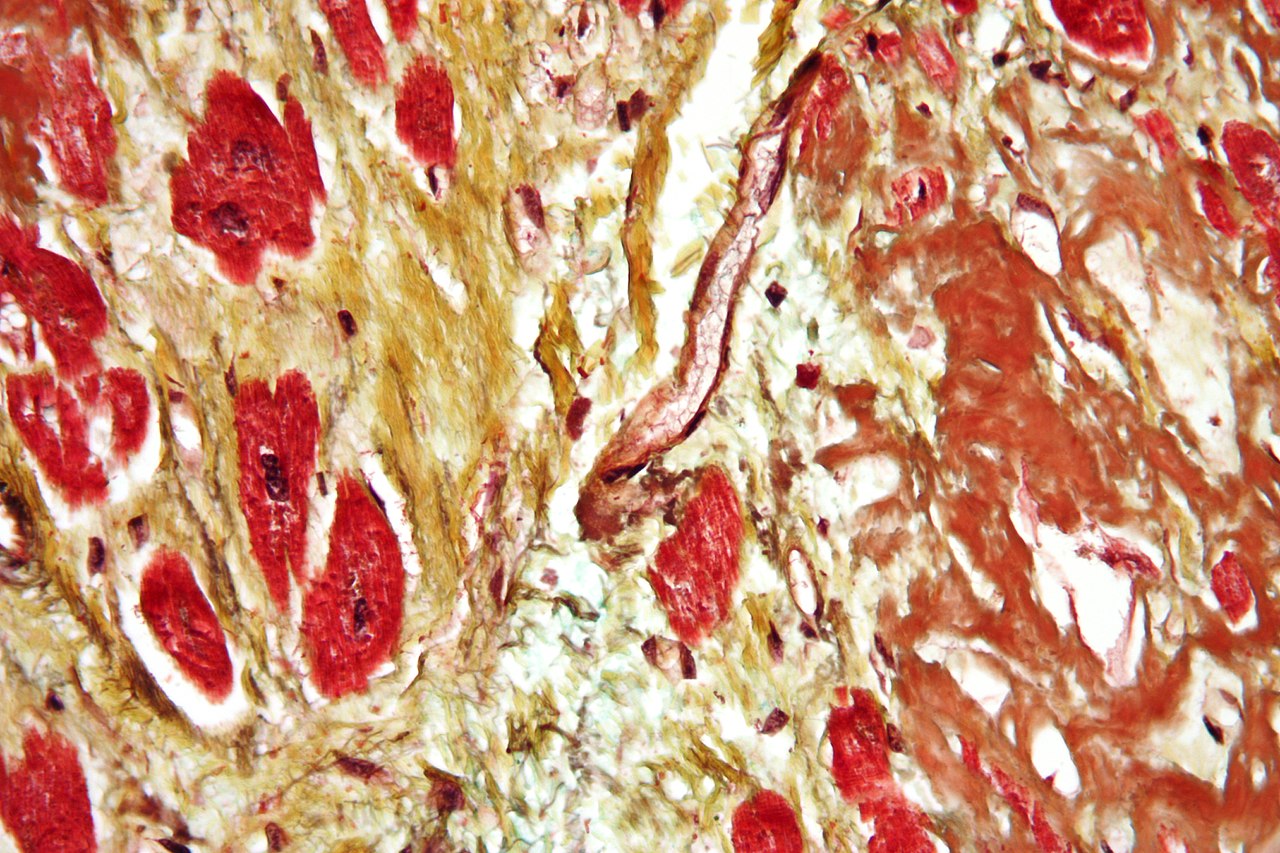

Types and common conditions
Heart disease encompasses several distinct disorders. Common categories include:
- Coronary artery disease – narrowing of the vessels that supply the heart muscle, often causing angina or heart attacks.
- Heart failure – a state in which the heart cannot pump effectively to meet the body's needs.
- Arrhythmias – disturbances of the heart's rhythm, from benign palpitations to dangerous ventricular rhythms.
- Valvular disease – problems with the heart valves that obstruct or leak blood flow.
- Cardiomyopathies – diseases of the heart muscle that alter its size, shape or function.
Causes and risk factors
Acquired heart disease is often multifactorial. Established risk factors include high blood pressure, high cholesterol, smoking, diabetes, obesity, physical inactivity and advancing age. Genetic influences and infections can play roles, particularly in congenital forms or some cardiomyopathies. Socioeconomic and environmental factors also affect disease burden.
Symptoms and diagnosis
Symptoms vary by disorder but commonly include chest discomfort, shortness of breath, fatigue, palpitations, dizziness or swelling of the legs. Diagnosis typically begins with a clinical exam and may use tests such as electrocardiography, chest imaging, echocardiography, stress testing and coronary angiography. Blood tests, wearable monitors and genetic testing are used when appropriate.
Treatment, prevention and prognosis
Treatment ranges from lifestyle change and medications to interventions and surgery. Examples include lifestyle modification, blood pressure and lipid control, anticoagulation, angioplasty with stents, coronary bypass, valve repair or replacement, implantable devices (pacemakers, defibrillators) and heart transplantation in selected cases. Preventive measures—smoking cessation, healthy diet, exercise and management of diabetes and hypertension—reduce risk at the population level.
History and public health importance
Understanding of heart disease has evolved from early anatomical descriptions to modern imaging and catheter-based therapies. It remains a leading cause of illness and death worldwide and a major focus of clinical research and public health efforts. Care for congenital and acquired forms requires coordination across primary care, cardiology, surgery and rehabilitation services.
For concise overviews or patient resources, see reputable sources and clinical guidelines through local health services or specialist organizations: cardiac information, guidance for newborns and infants, and materials about congenital heart disease.
Questions and answers
Q: What is heart disease?
A: Heart disease is a condition wherein the heart is not functioning normally.
Q: Is heart disease only acquired later in life?
A: No, heart disease can also be congenital, meaning some babies are born with it.
Q: What do you call a heart disease present at birth?
A: A heart disease present at birth is known as congenital heart disease.
Q: What do you call a heart disease that develops later in life?
A: A heart disease that develops later in life is called acquired heart disease.
Q: Which type of heart disease is more common?
A: Acquired heart disease is more common.
Q: Can heart disease be cured?
A: There is no cure for heart disease, but changes in lifestyle like a healthy diet and regular exercise, and medication can help manage the condition.
Q: How can heart disease be prevented?
A: Reducing risk factors such as smoking, unhealthy diet, obesity, high blood pressure, stress, and leading a physically active lifestyle can help prevent heart disease.
Related articles
Author
AlegsaOnline.com Heart disease: overview, types, causes, diagnosis and treatment Leandro Alegsa
URL: https://en.alegsaonline.com/art/43079