
Mandu (Korean dumpling): origins, ingredients, varieties and uses
Mandu are Korean dumplings with a thin flour wrapper and savory filling. This article covers their history, typical ingredients, regional varieties, cooking methods, cultural role and modern availability.
Mandu are Korean-style dumplings consisting of a thin wrapper filled with a seasoned mixture of meat, vegetables and other ingredients. Often compared to Chinese dumplings, mandu became established in Korea during the Joseon period and are now a common dish at family meals, celebrations and in everyday convenience foods. They appear across regional cuisines and in many forms, from soup dumplings to pan-fried pockets.
Image gallery
10 Images


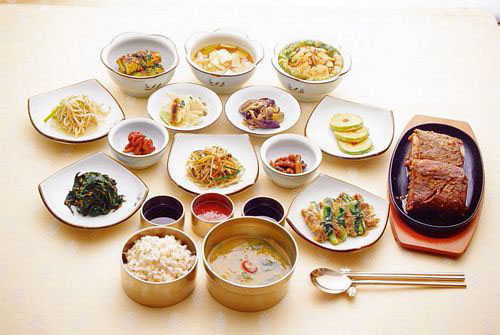
Characteristics and common ingredients
The wrapper is usually made from wheat flour, though some recipes use a softer or thinner dough. The filling (called so in Korean) centers on minced meat and a mix of vegetables. Pork is the most frequently used meat, but recipes also commonly include beef, chicken or, in older or more rural preparations, game such as pheasant. Vegetables typically include chopped onions, carrots, cabbage and bean sprouts; additional ingredients can include kimchi, crumbled tofu, and glass noodles made from sweet potato starch (dangmyeon, often derived from sweet potato starch).
Cooking methods and names
Mandu are prepared by several techniques that give rise to distinct names and textures. Typical methods are boiling (water dumplings), steaming, pan-frying for a crisp exterior, or deep-frying. Large, steamed varieties served whole appear at banquets, while smaller pan-fried or boiled mandu are common as snacks or in soups. A popular way to serve mandu is in a clear broth or in a hearty soup called mandu-guk, especially during Lunar New Year observances.
History and cultural role
While dumplings in East Asia share common roots, mandu developed particular Korean characteristics after their introduction during the Joseon era. They were traditionally made in colder months and for special occasions — a communal activity in many households where families gathered to prepare many dumplings at once. Over time mandu became an everyday item as urbanization and food commerce expanded.
Varieties and serving suggestions
- Pan-fried (crispy exterior) — often served with dipping sauces of soy sauce mixed with vinegar and sometimes chili or sesame.
- Boiled — tender and commonly served in soups or with light broths.
- Steamed — softer texture, used for larger, banquet-style mandu.
- Kimchi or vegetarian mandu — using fermented vegetables or tofu in place of meat.
Modern availability ranges from homemade batches at family gatherings to frozen mandu sold in supermarkets and specialized restaurants or street-food stalls. Contemporary cooks also experiment with regional flavors and international fillings, keeping the basic technique but adapting spices and vegetables to new tastes.
For further context and recipes, see related topics and resources: Korean cuisine, historical notes on the Joseon dynasty, common wrapper ingredients like flour, types of meat such as pork and beef, poultry varieties like chicken or pheasant, additions like kimchi and tofu, noodle fillings (sweet potato noodles made from sweet potato starch), and common condiments such as soy sauce combined with vinegar.
Questions and answers
Q: What are mandu?
A: Mandu are Chinese-style dumplings from Korea.
Q: When were mandu introduced in Korea?
A: Mandu were introduced in Korea in the middle of the Joseon dynasty.
Q: What are mandu made of?
A: Mandu are made from flour stuffed with meat and vegetables.
Q: What is the filling in mandu called?
A: The filling in mandu is called so (소).
Q: What is the most common meat used in so for mandu?
A: Pork is the most common meat for so in mandu.
Q: What are some common vegetables used in mandu?
A: Common vegetables used in mandu include carrots, cucumbers, onions, and bean sprouts.
Q: How are mandu usually served?
A: Mandu are usually served with soy sauce mixed with vinegar for dipping.
Related articles
Author
AlegsaOnline.com Mandu (Korean dumpling): origins, ingredients, varieties and uses Leandro Alegsa
URL: https://en.alegsaonline.com/art/61259
Sources
- 100.naver.com : 100.naver.com/100.nhn?docid=59581
- hansik.org : "Korean Food Promotion Institute"