
Starch: plant carbohydrate, structure, uses, and culinary importance
Starch is a plant-produced polysaccharide of glucose units that stores energy. This article explains its structure, sources, digestion, culinary behavior, industrial uses and distinctions from related carbohydrates.
Overview
Starch is a major plant carbohydrate that functions as an energy reserve. It is formed from long chains of glucose molecules linked by chemical bonds and appears as microscopic granules in seeds, tubers and some fruits. As a dietary component, starch is among the most common sources of calories in many traditional diets, and it is central to a wide range of foods from pasta to bread and potatoes.
Image gallery
10 Images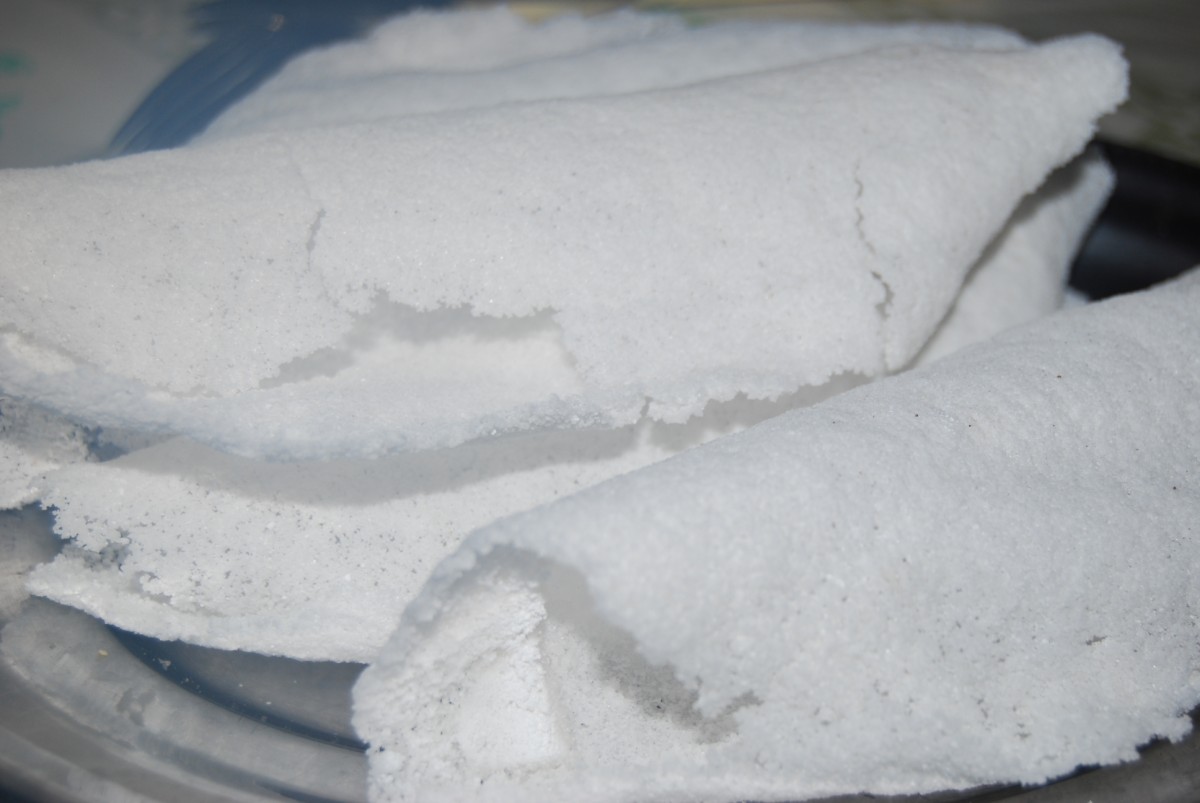






Structure and chemistry
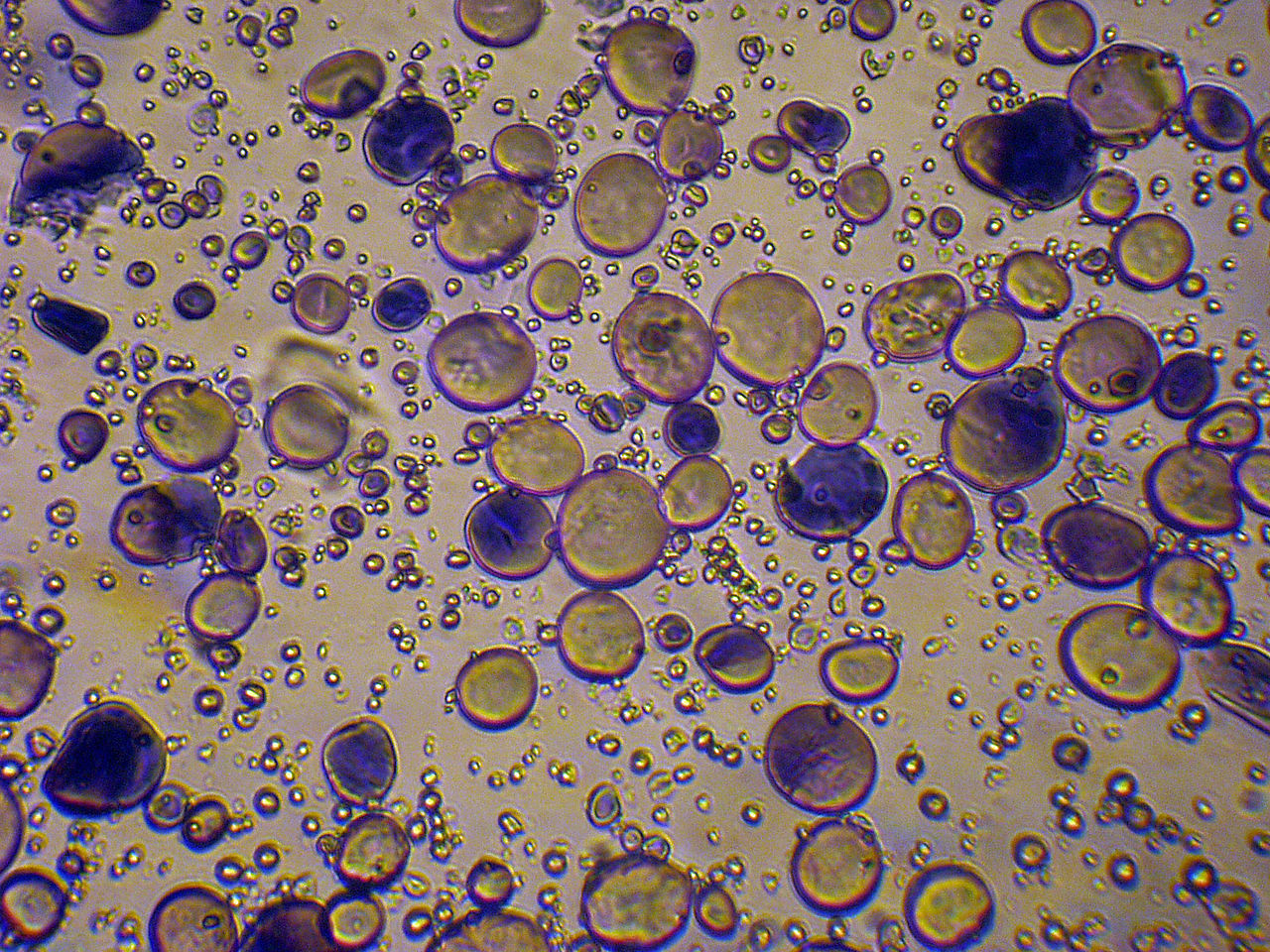
At the molecular level starch is a polysaccharide composed of repeating glucose units. Two principal polymers occur together: amylose, largely linear, and amylopectin, highly branched. The glucose residues are joined by specific chemical bonds whose arrangement affects how starch behaves when heated, digested, or processed industrially. Granule size and the amylose/amylopectin ratio vary by plant species and influence texture and functional properties.
History and biological role
Plants synthesize starch to store the products of photosynthesis so they can be remobilized for growth and survival. Human agriculture has long favored high-starch crops because they provide compact, transportable stores of energy. Over centuries selective breeding has increased starch yield and modified properties to suit food and industrial uses.
Cooking, digestion and nutrition
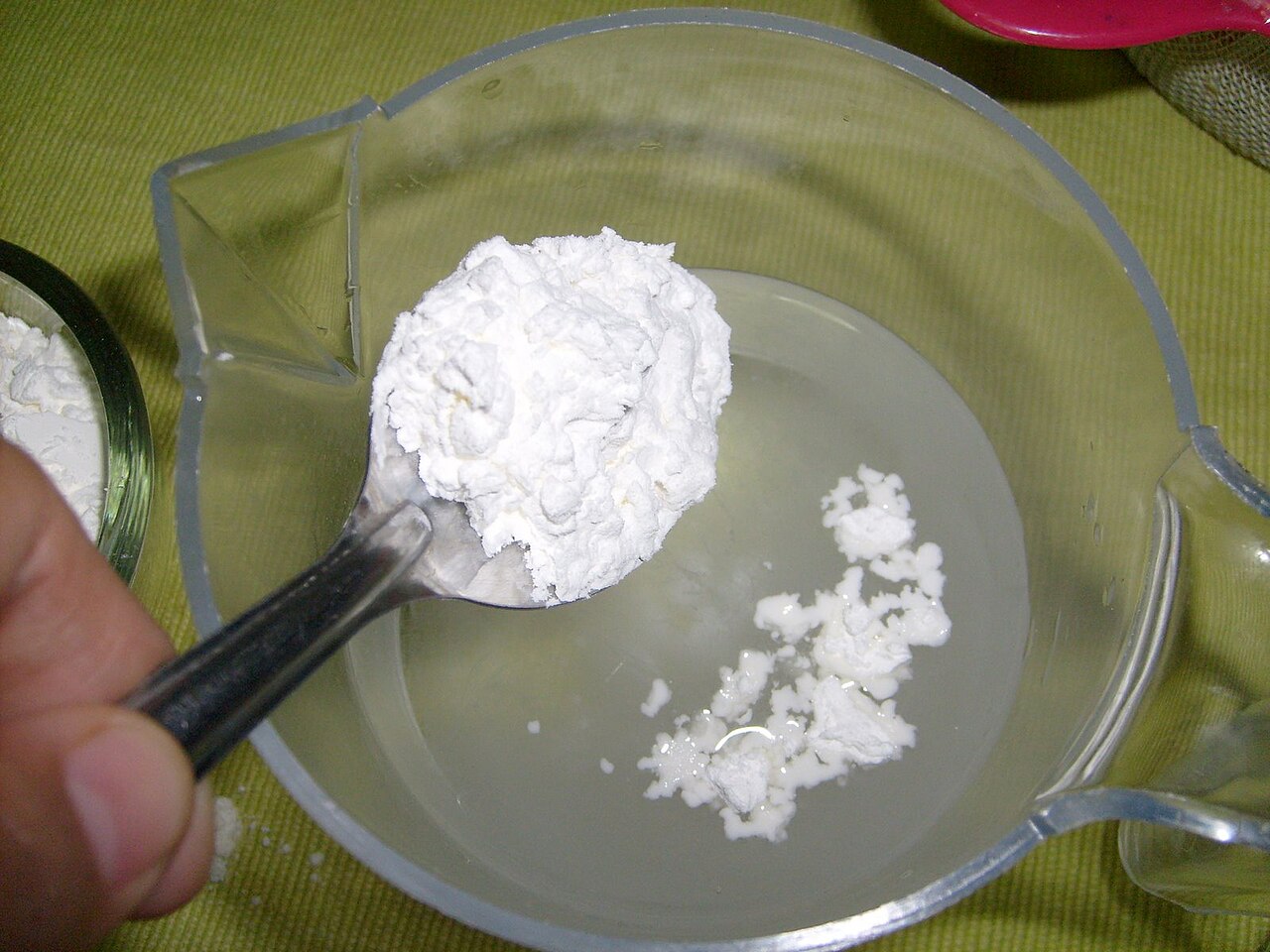
When heated in water starch granules swell and gelatinize, a process that thickens sauces and gives structure to baked goods. Enzymes in the human digestive tract break starch into glucose, supplying energy. Some starch resists digestion and functions as resistant starch, reaching the colon where it can influence gut microbes and provide dietary fiber-like benefits.
Uses and applications
- Food: thickening agents, texture control in products such as noodles, pastries and sauces.
- Industrial: adhesives, paper sizing, textiles and biodegradable materials.
- Nutritional science: formulation of low-glycemic and fiber-rich foods.
Distinctions and notable facts
Starch differs from other plant carbohydrates such as cellulose in its bond types and digestibility: cellulose has a structure that resists human digestion, while starch typically does not. Varieties of starch are tailored for particular uses — high-amylose types may form firmer gels, while waxy starches (rich in amylopectin) are useful where freeze–thaw stability and clarity are desired. For further technical detail consult specialized sources: general overview, bond chemistry, polysaccharide classification, or practical guides on cooking with pasta, potatoes and bread.
Questions and answers
Q: What is starch?
A: Starch is a complex carbohydrate made up of many glucose units joined by chemical bonds.
Q: Which organisms produce starch?
A: Most green plants produce starch as an energy store.
Q: What are some common starchy foods?
A: Pasta, potatoes, bread, and other starchy foods are made out of carbohydrates.
Q: How is starch formed?
A: Starch is formed by joining many glucose units by chemical bonds.
Q: What is the most common carbohydrate found in human diets?
A: Starch is the most common carbohydrate found in human diets.
Q: What is polysaccharide?
A: Polysaccharide is a complex carbohydrate made up of many glucose units joined by chemical bonds.
Q: What is the function of starchy foods in our diets?
A: Starchy foods, which are made out of carbohydrates, provide energy to our bodies.
Related articles
Author
AlegsaOnline.com Starch: plant carbohydrate, structure, uses, and culinary importance Leandro Alegsa
URL: https://en.alegsaonline.com/art/93459