
Mämmi — traditional Finnish rye pudding
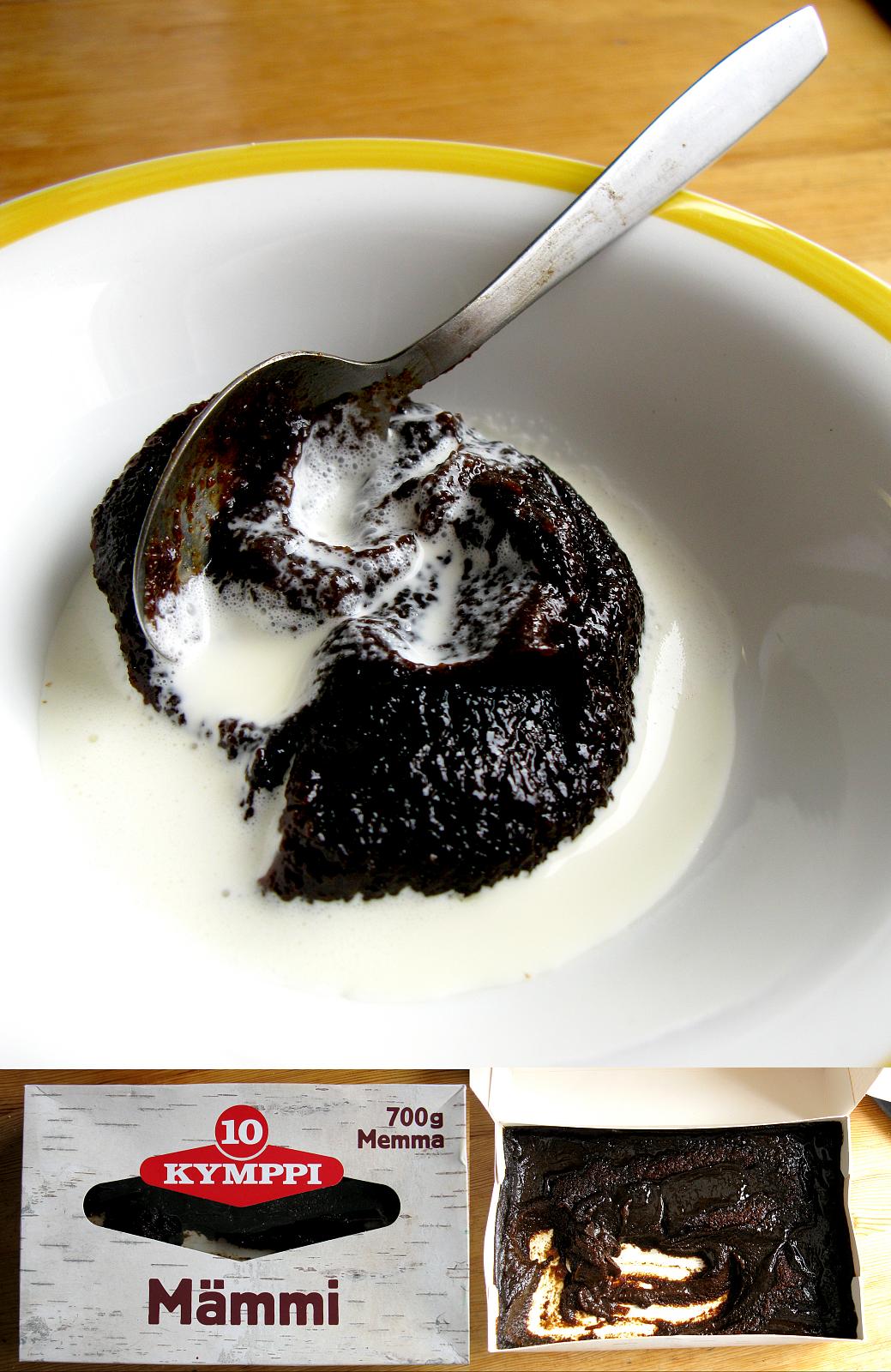
Mämmi is a dark, dense Finnish pudding made from rye flour and malt, traditionally eaten at Easter and served chilled with cream and sugar; it has a distinct malty, slightly sweet flavor.
Overview
Mämmi is a traditional Finnish dish made from rye and malted rye. Often described as a pudding or porridge-like dessert, it is most closely associated with the Easter season and with traditional Finnish cuisine. The finished product is dark brown, moist and thick, with a malty, mildly sweet taste that can be unfamiliar to those used to milk‑based puddings.
Image gallery
3 Images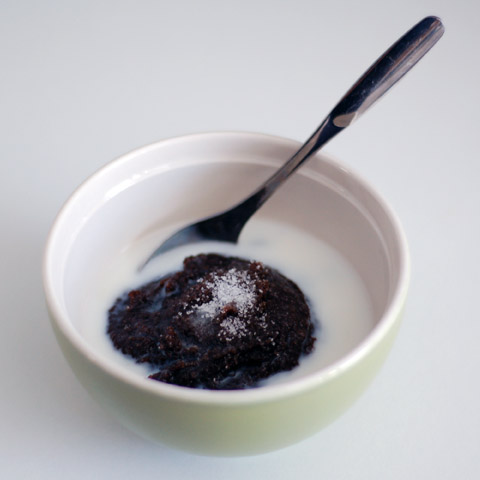

Ingredients and preparation
At its simplest, mämmi is prepared from rye flour, sprouted and dried rye (malt), water and a sweetener such as molasses or dark syrup. The mixture is slowly cooked or baked for several hours, allowing enzymes in the malt to develop flavor and the batter to thicken. The final texture is dense and gelatinous; some compare it to a very thick porridge, though its flavor profile is distinct because of the malt and rye.
History and cultural role
Mämmi has a long history in Finland and other parts of the Nordic region, with roots often traced back to medieval times as a Lenten or Easter staple. Originally more common in western Finland, it gradually became popular nationwide. It was traditionally made at home but is now also produced commercially and sold in stores around the holiday.
Serving, variations and uses
Traditionally mämmi is chilled and served with a pour of cream or milk and a sprinkling of cream and sugar, though combinations such as vanilla sauce, yogurt or ice cream are also used. Modern variations include versions with reduced sugar, extra spices, or alternative sweeteners, and some small producers experiment with different grains or gluten‑free adaptations.
Notable facts
- Mämmi’s dark color comes from the malt and the long cooking process rather than artificial coloring.
- It is traditionally stored chilled and may improve in flavor after a day or two.
- While most associated with Easter, commercially made mämmi is sometimes available year‑round.
Related articles
Author
AlegsaOnline.com Mämmi — traditional Finnish rye pudding Leandro Alegsa
URL: https://en.alegsaonline.com/art/61135