
Maple syrup: production, uses, history, and cultural importance
A concise overview of maple syrup: how it is made from maple sap, its culinary uses, history in North America, production regions, grades, and cultural traditions.
Maple syrup is a sweet, viscous liquid produced by concentrating the sap of certain maple trees. Valued both as a table condiment and as an ingredient in cooking and confectionery, it is chiefly composed of sucrose together with small amounts of glucose, fructose, minerals, and organic compounds that give it distinctive flavors. The product is most often associated with pancakes and waffles, and also appears in baked goods, candies, glazes and sauces.
Image gallery
10 Images

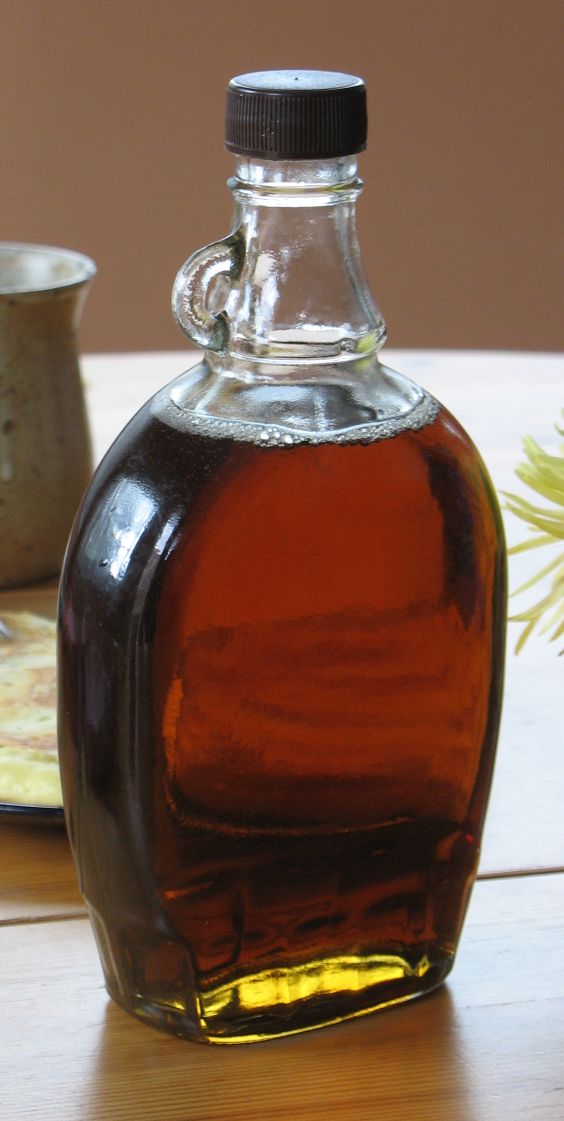


How maple syrup is made
The process begins in late winter to early spring when maple trees move stored sugars from their roots and trunks into the sap. Taps or spouts collect this sap, which is mostly water with dissolved sugars. Producers concentrate the sap by evaporating water, traditionally in a wood-fired evaporator, until the liquid reaches a stable sweetness and density. The finished syrup is packaged hot to preserve quality and prevent microbial growth.
Characteristics and grading
Maple syrup varies in color and flavor from light and delicate to dark and robust, depending on factors such as tree species, time in the season, and processing. Many markets use descriptive grade labels that relate color and taste rather than precise chemical composition. Syrup sold for table use tends to be lighter and milder, while darker grades are prized for cooking because they carry stronger caramelized and smoky notes.
Uses and culinary examples
As a culinary sweetener, maple syrup is versatile. Common uses include pouring over breakfast foods such as waffles and pancakes, sweetening baked items like pies, making confections such as maple candy, glazing roasted vegetables and meats, or blending into dressings and beverages. Its flavor profile—ranging from floral and maple-sugar notes to deeper caramel and molasses-like tones—makes it a favored natural alternative to refined sugar in many recipes.
History and cultural context
Indigenous peoples of northeastern North America developed early methods to harvest and concentrate maple sap long before European contact; these traditions form the historical foundation of the maple industry. European settlers adapted and expanded production techniques in the centuries that followed. The annual spring sap run, often called sugaring, remains a seasonal cultural event in many regions, celebrated with community gatherings at sugar houses or "sugar shacks."
Geography and economy
Maple syrup production is concentrated in cold-temperate regions where suitable maple species grow. The Canadian province of Quebec is by far the largest producer, supplying roughly three-quarters of the world’s commercial maple syrup. Significant production also occurs in northeastern United States states and other parts of Canada. Producers range from small family operations to large commercial facilities that collect sap from thousands of taps using modern tubing and vacuum systems.
Practical notes, safety and storage
- Fresh sap is perishable and must be processed promptly; finished syrup is typically canned or bottled while hot to discourage fermentation.
- Pure maple syrup should be stored in a cool place; once opened, refrigeration slows mold and fermentation. Syrup with mold can often be skimmed and reheated, but quality may be affected.
- When buying or labeling, check whether a product is pure maple syrup or a flavored pancake syrup that contains corn syrup or other sweeteners.
Further reading and resources
To learn more about the botanical aspects of sap flow and the seasonality of production, see resources on maple sap collection. Historical accounts discuss indigenous practices and later developments introduced by eastern North American communities and adaptations by European settlers. For regional information, local producers in places known for syrup-making provide practical insights into modern techniques and festivals. Industry associations and educational outlets also publish guidance on grades, labeling and small-scale production methods—useful starting points include agricultural extension services and maple producer groups (baking uses or confectionery resources).
Related articles
Author
AlegsaOnline.com Maple syrup: production, uses, history, and cultural importance Leandro Alegsa
URL: https://en.alegsaonline.com/art/61511
Sources
- thecanadianencyclopedia.com : "Maple Sugar Industry - The Canadian Encyclopedia"
- umext.maine.edu : "7038.pdf (application/pdf 객체)"