
Manna: biblical food and cultural symbol
Manna is the miraculous food described in the Hebrew Bible that sustained the Israelites in the desert. The term also denotes natural exudates and a broader cultural metaphor for unexpected provision.
Overview
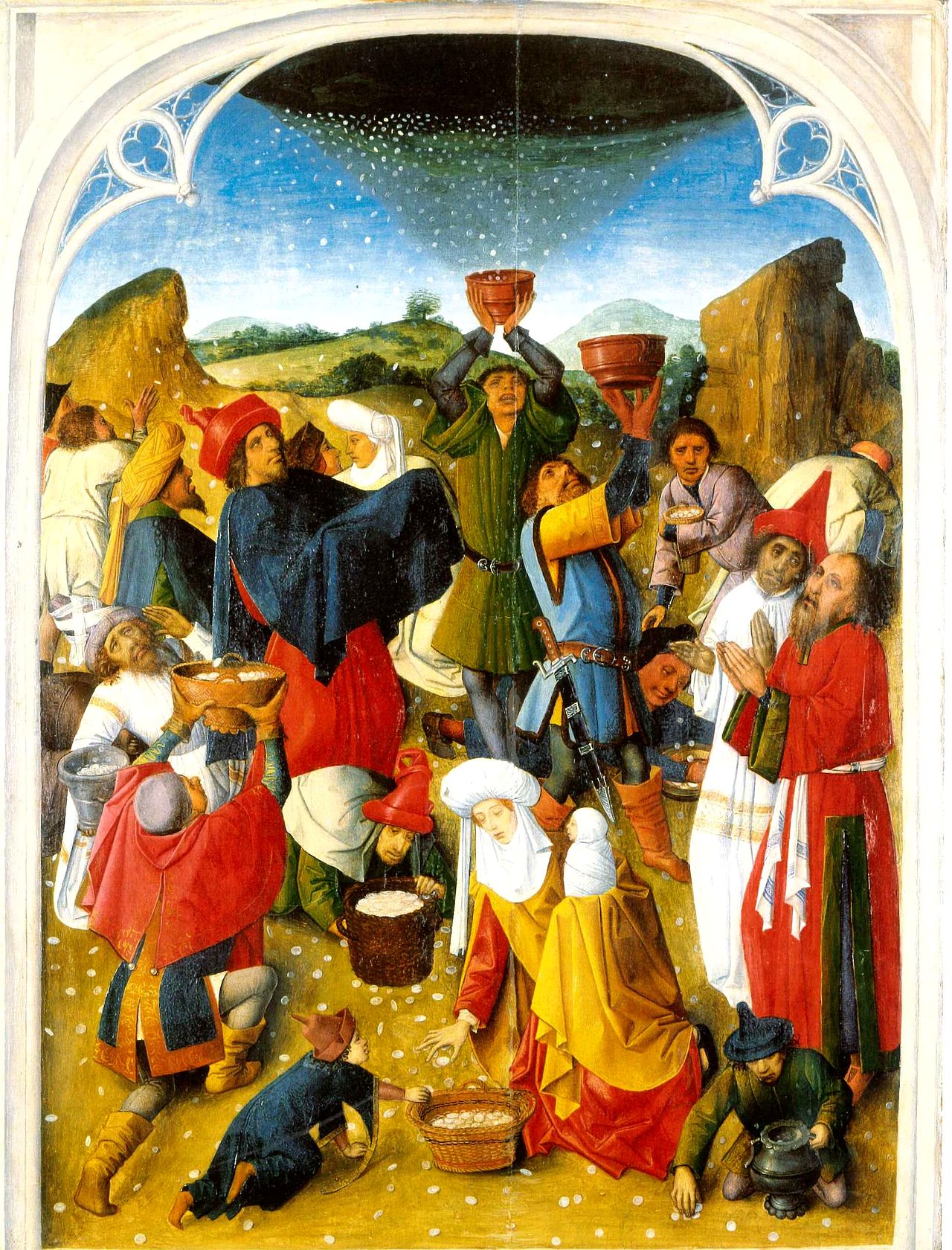
Manna is the name given in the Hebrew Bible to a mysterious food that sustained the Israelites during their years in the desert after leaving Egypt. The account appears in the books of the Pentateuch, where it is described as a daily provision given by God. The narrative emphasizes dependence on divine care: each morning people gathered whitish flakes from the ground, and when they complained of monotony a further provision of quail is recorded.
Image gallery
10 Images




Appearance and scriptural characteristics
Scriptural descriptions portray manna as small white flakes or crystals with a sweet or honey-like taste. The narrative stresses unusual rules: it appeared with the dew, was collected daily, and ordinary portions could not be hoarded without spoiling. On the day before the Sabbath a double portion is said to have been gathered, so no collection was needed on the day of rest.
Historical and natural explanations
Over centuries scholars and naturalists have proposed various nonmiraculous sources to explain the reports of manna. Candidates include plant sap or exudates (for example from tamarisk or ash trees), condensed dew, secretions from scale insects, or edible lichens. Such hypotheses seek to reconcile the biblical description with observable phenomena but remain interpretive; religious traditions continue to treat the event as divine provision.
Religious and symbolic significance
In Jewish and Christian traditions manna carries strong symbolic weight. It is presented as a test of faith and obedience, a tangible sign of God's care, and in Christian theology is often linked symbolically to the Eucharist as "bread from heaven." Rabbinic writings expand the moral and ritual lessons derived from the story, and some texts say a portion was preserved as a lasting reminder.
Later uses and idioms
The word "manna" entered general language as an idiom for unexpected or providential help—"manna from heaven." In natural history and commerce, the term has also been applied to sweet tree exudates (historically called manna) harvested in parts of the Mediterranean and used as food or medicine. These usages reflect both the original narrative and attempts to identify real-world substances resembling the biblical description.
Major interpretations and notable facts
- Religious reading: miraculous sustenance and covenantal sign.
- Naturalist reading: exudates, dew, or insect secretions as possible sources.
- Textual detail: daily gathering, spoilage, and the Sabbath exception are central to the account.
- Cultural impact: the phrase "manna from heaven" remains a common metaphor.
For further reading, see translations and commentaries linked in the Pentateuch and related literature: Pentateuch references, historical summaries about the Israelites, studies of desert ecology and the desert environment, background on the Exodus from Egypt, theological discussions of God's providence, and the episode describing the provision of quail.
Questions and answers
Q: What is manna?
A: Manna is a food that the Israelites ate while they were traveling 40 years in the desert after leaving Egypt, which God provided because they had nothing to eat.
Q: How did the Israelites obtain manna?
A: Every morning, they would gather the white flakes that covered the ground.
Q: What is the taste of manna?
A: Manna is said to have a sweet taste.
Q: How long did the Israelites eat manna for?
A: The Israelites ate manna for 40 years while they were traveling in the desert.
Q: What did God give the Israelites after they got tired of manna?
A: God gave the Israelites quail (bird) after they got tired of manna.
Q: Where is manna mentioned in the Bible?
A: Manna is mentioned in the Pentateuch of the Bible.
Q: Why did God provide manna to the Israelites?
A: God provided manna to the Israelites because they had nothing to eat while they were traveling in the desert.
Related articles
Author
AlegsaOnline.com Manna: biblical food and cultural symbol Leandro Alegsa
URL: https://en.alegsaonline.com/art/61367
Sources
- tools.wmflabs.org : Exodus 16:1-36
- tools.wmflabs.org : Numbers 11:31,32
- tools.wmflabs.org : Psalm 78:24-25
- tools.wmflabs.org : 105:40
- tools.wmflabs.org : John 6:31