
Mahmud of Ghazni: conqueror, patron, and founder of a medieval state
Mahmud of Ghazni (971–1030) was the Ghaznavid ruler who expanded his state across Iran, Afghanistan and north‑west India, patronized Persianate culture and led repeated expeditions into the Indian subcontinent.
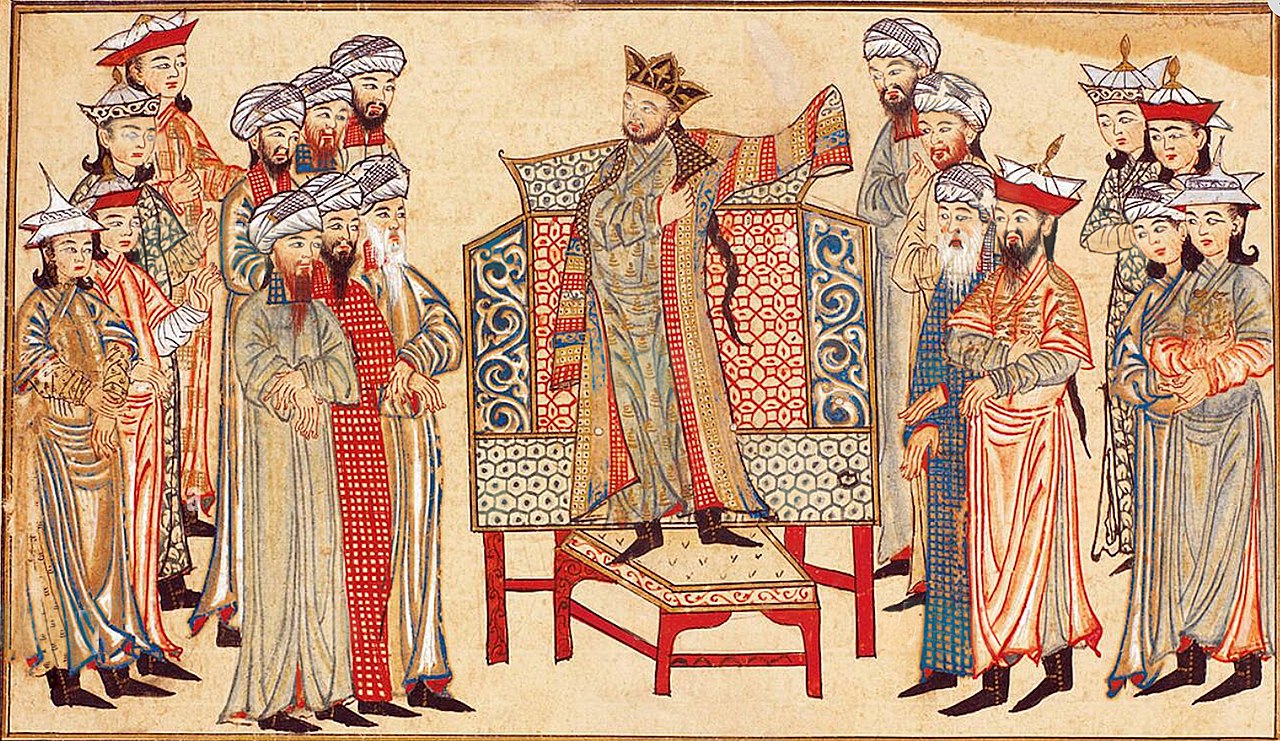
Mahmud of Ghazni (Persian: Maḥmūd-e Ghaznawī; 2 November 971 – 30 April 1030) was the most prominent ruler of the Ghaznavid dynasty and the first major sovereign to style himself Sultan. Reigning from 997 until his death, Mahmud transformed the provincial city of Ghazni into a wealthy capital and led campaigns that extended Ghaznavid control over large parts of present‑day Afghanistan, significant territories of Iran and frontier regions of north‑west India and what is now Pakistan. His rule combined military expansion with administrative consolidation and cultural patronage.
Image gallery
10 Images




Origins and rise to power
Mahmud was the eldest son of the Turkic slave‑commander Sebüktegin, who had established the Ghaznavid principality from the eastern provinces of the Samanid realm. As a youth Mahmud gained military experience fighting alongside his father against rival Turk nobles and local powers. On Sebüktegin's death a succession dispute followed; in 997 Mahmud displaced his brother Ismail and secured the throne. Once established, he pursued a policy of expanding frontiers while creating more centralized institutions to administer diverse provinces.
Military campaigns and the Indian expeditions
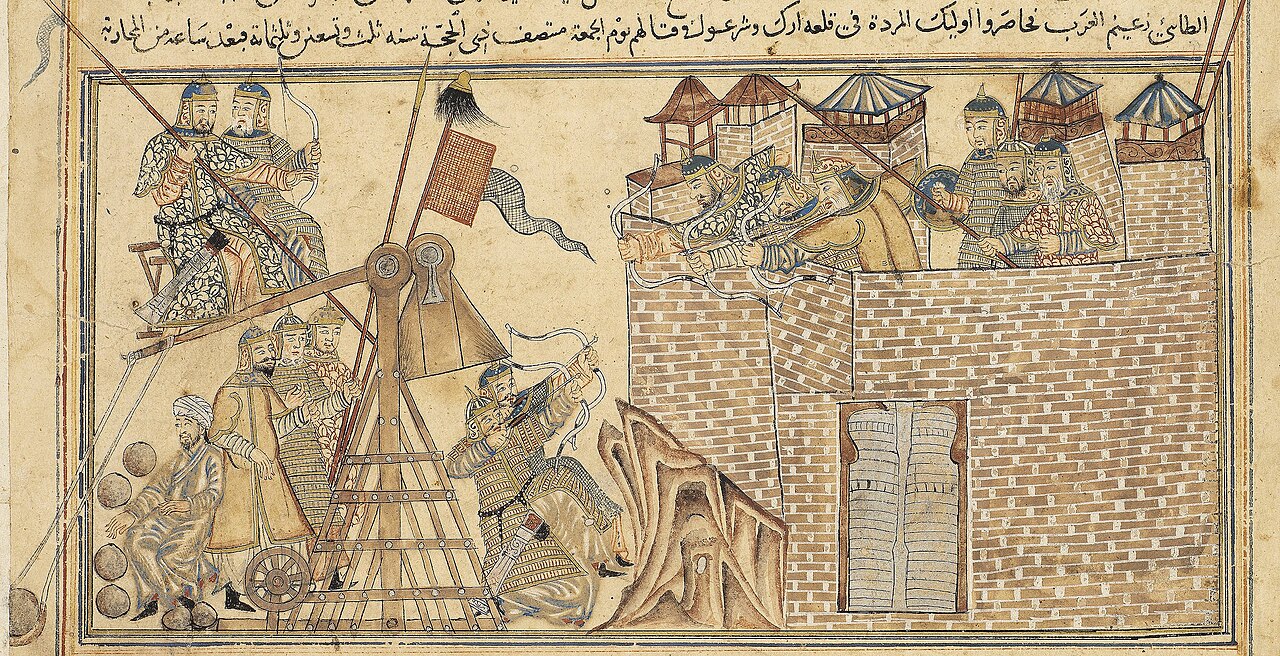
Between roughly 1000 and 1026 Mahmud launched a series of expeditions into the Indian subcontinent. Contemporary and later chronicles record numerous campaigns—often counted as many separate invasions—aimed initially at annexation of the rich Punjab region (Punjab) and later at securing tribute and plunder from wealthy towns, temples and trade centres. His operations reached areas that correspond to parts of Haryana and in some accounts advanced toward regions associated with Agra. Sources vary on motives and outcomes; while some campaigns produced territorial gains, many later expeditions are described primarily as raiding for wealth.
Mahmud's most famous raid targeted the temple complex at Somnath on the Gujarati coast, a noted pilgrimage site. Medieval accounts describe the shrine as richly furnished and report that his forces carried off substantial treasure. Such narratives of destruction and plunder have made Mahmud a controversial figure in later memory and historiography; medieval sources often offer high casualty figures and dramatic detail, while modern scholars treat those numbers cautiously and emphasise the need to assess the evidence critically.
Administration, economy and culture
Mahmud invested the proceeds of his campaigns in the capital and in institutions of state. Ghazni became a centre of Persianate administration and culture within the Ghaznavid Empire. He issued coinage, maintained a sizeable standing force and developed an administrative apparatus to govern a multiethnic realm. His court attracted poets, scholars and artisans who wrote and worked in Persian and Arabic; some later traditions associate his patronage with leading literary figures of the period. Mahmud is credited with building mosques, founding libraries and supporting collections that enhanced Ghazni's cultural profile, and later chroniclers attribute to him the foundation or endowment of educational and religious institutions including grand mosques.
Religion, titles and relations with the Caliphate
Mahmud presented himself as a defender of Islam while ruling over a multi‑religious population. By adopting the title of Sultan he signalled political independence and practical autonomy from the distant Abbasid Caliph. This change in titulature reflects broader shifts in the medieval Islamic world, where regional dynasts asserted authority and legitimacy even as they maintained formal religious ties to the Islamic community. The balance between religious claims, political autonomy and military necessity shaped Mahmud's policies and his relations with neighbouring powers (power centres and rivals).
Military organisation and strategy
Mahmud relied on mounted cavalry and a core of Turkic warriors, while drawing troops and logistical support from the provinces. His campaigns into Transoxiana, the Iranian plateau and the Indian frontier demonstrate a combination of rapid mobility, use of intelligence and exploitation of political divisions among rivals. Supply, local alliances and the capture of rich urban centres were important elements of his strategy, and Ghazni under Mahmud served as both an administrative and military base for projecting power into adjacent regions.
Legacy and historiography
Assessments of Mahmud's reign differ across time and place. In medieval Islamic sources he was often praised as a powerful ruler and a protector of orthodox Islam; in later South Asian traditions his raids on temples were remembered as episodes of destruction. Modern historians tend to contextualise Mahmud's actions within the norms of medieval statecraft—where warfare, tribute and patronage were means to create and sustain dynastic power—while recognising the human costs and cultural disruptions his campaigns caused. The Ghaznavid state that Mahmud consolidated persisted for several decades after his death, but it eventually contracted under pressure from emerging regional powers.
Mahmud died on 30 April 1030; near the end of his life he is said to have made a notable display of his treasures. His career is studied for what it reveals about medieval political transformation, the circulation of peoples and ideas across the Islamic world and the Indian subcontinent, and the interconnected stories of conquest and cultural exchange.
Further reading and resources
- Persian names and transliteration
- Overview of the Ghaznavid state
- Regions corresponding to modern Afghanistan
- Ghaznavid relations with Iran and the Iranian lands
- Territorial reach into north‑west India
- Areas corresponding to modern Pakistan
- The title "Sultan" and its political meaning
- Political autonomy and centres of power
- Context within the broader Islamic world
- Relations with the Abbasid Caliphate
- Sebüktegin and the dynasty's origins
- Turkic military networks and elites
- Campaigns and expeditions into the Indian subcontinent
- Conquests in the Punjab region
- Advance into Haryana and neighbouring districts
- Operations reaching toward the upper Doab and Agra region
- Somnath and the Gujarati coast
- Pilgrimage sites and their significance
- Mosques, architecture and material culture
Related articles
Author
AlegsaOnline.com Mahmud of Ghazni: conqueror, patron, and founder of a medieval state Leandro Alegsa
URL: https://en.alegsaonline.com/art/60730
Sources
- commons.wikimedia.org : Mahmud of Ghazni