
Ghaznavid Empire (c. 975–1187)
Sunni Muslim state of Turkic origin centered at Ghazni that extended over parts of Persia, Transoxiana and northern India, known for military expansion and Persian cultural patronage.
Overview
The Ghaznavid dynasty was a Sunni Muslim state of Turkic origin that rose in the late 10th century and lasted until the late 12th century. Its power base was the city of Ghazni, located in what is today Afghanistan. The rulers combined a Turkic military elite with Persian administrative and cultural institutions, and their realm at various times included large parts of Persia, Transoxiana and northwestern regions of the Indian subcontinent. The state followed Turkic leadership traditions while adhering to Sunni Islam as the basis of legitimacy.
Image gallery
10 Images


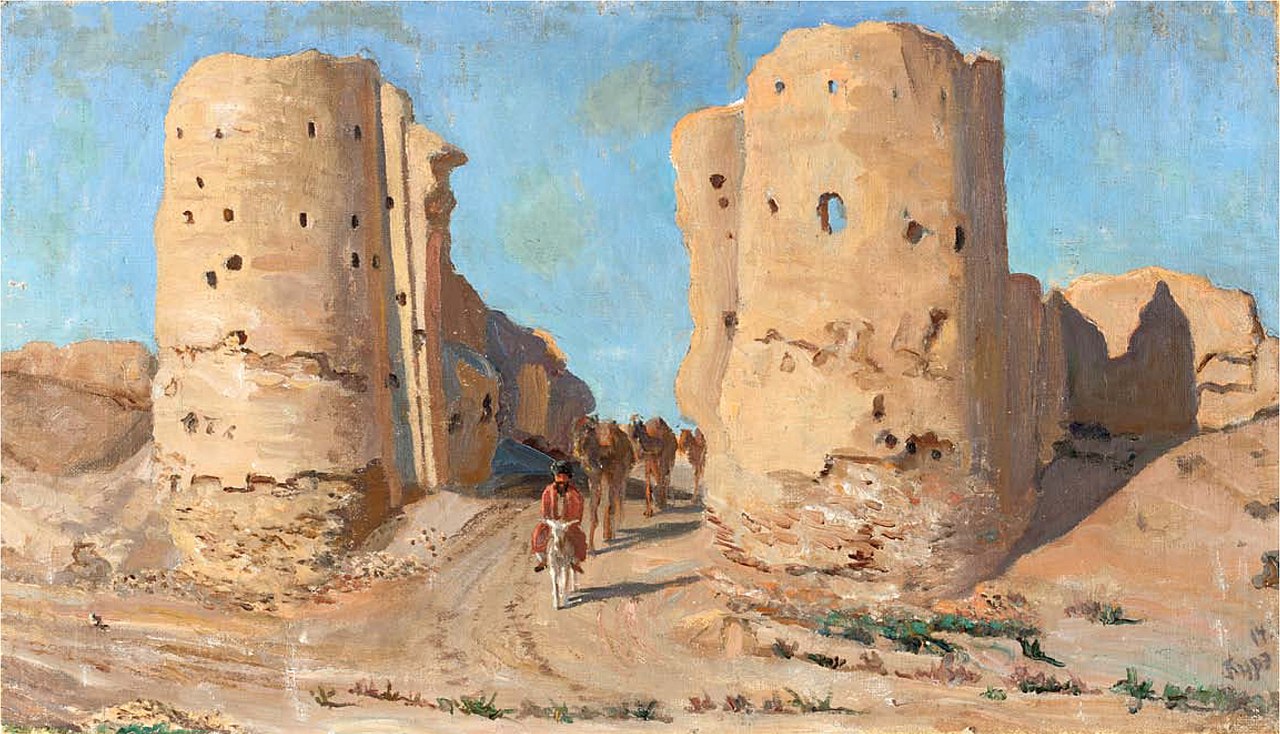
Territory and administration
The Ghaznavid realm was a frontier polity that linked Iranian lands with the Indian plains. Administration relied heavily on Persian bureaucracy and mode of governance, with local governors administering provinces and revenues directed to a central court in Ghazni. Major cities and regions under Ghaznavid influence included:
- Peshawar — one of the principal gateways to campaigns into India
- Punjab — large parts of which came under Ghaznavid control or influence
- Haryana and approaches toward Delhi — areas reached by expeditions and raids
- Meerut in Uttar Pradesh — cited in some accounts as a farthest point of temporary occupation
History and military expansion
The dynasty emerged from the late 10th-century power struggles on the eastern Iranian plateau. Early Ghaznavid leaders consolidated control over Ghazni and then expanded through military campaigns, often mounted by energetic rulers who sought prestige and revenue through raids and conquests. Their incursions into the Indian subcontinent are among the best-known aspects of their history: they captured important frontier cities, extracted tribute, and sometimes looted temples and strongholds, which supplied wealth for court patronage. These military activities also created stepping stones for later Muslim polities in northern India.
Culture and legacy
Although of Turkic descent, Ghaznavid courts were important patrons of Persian culture, literature and learning. Persian became the primary literary language at court, and poets, scholars and craftsmen were supported by Ghaznavid patrons. This synthesis helped spread Persianate administrative and cultural models across their domains and into the Indian subcontinent. Over time, pressure from other regional powers, including rising Turkic dynasties and local Iranian and Afghan groups, eroded Ghaznavid control. By the late 12th century the dynasty had lost most of its territories and ceased to be a major power.
Notable facts
- The Ghaznavids acted as a bridge between Central Asian military elites and Persian bureaucratic traditions, shaping a distinctive court culture.
- Their campaigns into northern India are often considered an early phase in the establishment of sustained Muslim polities in that region.
- Despite military origins, their long-term significance is largely cultural: promotion of Persian literature and administration in a multiethnic empire.
For further reading on political history, culture and specific campaigns, see specialized studies and primary sources associated with Ghaznavid court chronicles and regional histories. Representative topics include the dynasty's military organization, fiscal practices, and its role in the transmission of Persianate culture across South and Central Asia.
Related articles
Author
AlegsaOnline.com Ghaznavid Empire (c. 975–1187) Leandro Alegsa
URL: https://en.alegsaonline.com/art/38628