
Haryana: Northern Indian state — geography, history, economy and culture
Haryana is a northern Indian state adjacent to Delhi, known for its agricultural productivity, industrial growth, Vedic and epic associations, and distinct Haryanvi culture and language.
Overview
Haryana is a state in northern India, formed in 1966 as a separate administrative unit from the former state of Punjab. Its official language is Hindi and the principal regional dialect is Haryanvi. The state covers about 44,350 square kilometres (17,122 square miles), making it larger than Denmark but smaller than Estonia. In traditional Indian geography it is placed in the North Indian region and it lies close to the national capital, forming a significant part of the National Capital Region.
Image gallery
10 Images


Geography and administration
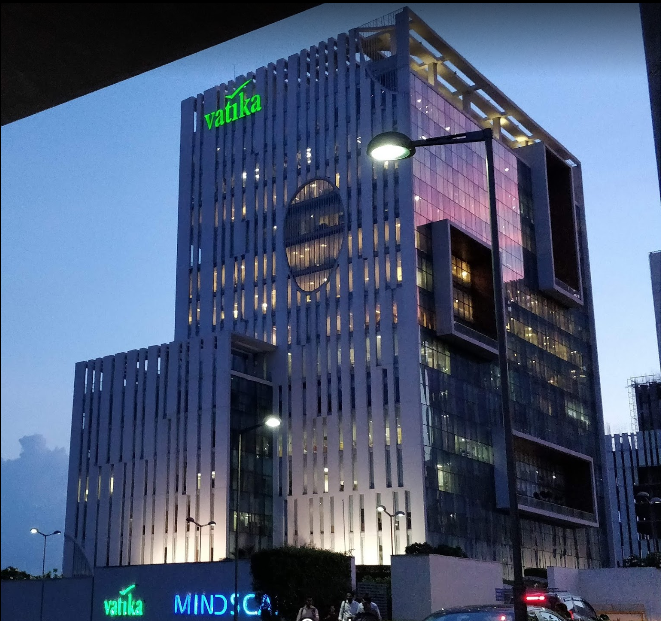
Haryana's landscape ranges from fertile plains in the east to drier tracts in the west. The state shares borders with several Indian states and the national capital territory of Delhi. Its administrative structure includes multiple districts and urban centres; Chandigarh serves as the joint capital with neighboring Punjab. Major cities include Gurugram, Faridabad, Hisar and Ambala, each with distinct industrial or service-sector profiles.
History and cultural roots
The region that is now Haryana has long historical connections to early Indian traditions and epics. Places such as Kurukshetra are central to the Mahabharata narrative and to the discourse of the Bhagavad Gita, and the area is often associated with ancient Vedic and Hindu traditions (see cultural context). Modern Haryana was created on 1 November 1966 when linguistic and administrative reorganization separated Punjabi- and Hindi-speaking areas.
Economy and development
Agriculture has been a backbone of Haryana's economy; the state was an important part of India's Green Revolution and continues to produce significant quantities of wheat, rice and oilseeds. Over the past decades, rapid industrialization and service-sector growth—notably information technology and corporate services in cities such as Gurugram—have diversified the economy. Manufacturing clusters around automotive and light industry coexist with research institutions and educational centres.
Society, culture and sports
Haryana's cultural life emphasizes folk music, dance, and strong community traditions. Popular sports include wrestling and kabaddi, with the state producing many nationally recognized athletes. Festivals observed here follow the pan-Indian Hindu calendar, while local customs, dress and cuisine reflect regional agricultural cycles and rural traditions.
Notable facts and distinctions
- Haryana lies within the broader North Indian geographic zone (regional classification).
- Its proximity to the national capital has made parts of the state important for commuters, corporate headquarters and logistics.
- Comparative area: larger than Denmark and smaller than Estonia, reflecting a compact but strategically located territory.
For further reading on the region's cultural and historical background, explore resources that discuss Vedic sites, epic-era associations and modern administrative history. Major cities and districts illustrate how traditional agrarian life and rapid urban-industrial change coexist in Haryana.
Related articles
Author
AlegsaOnline.com Haryana: Northern Indian state — geography, history, economy and culture Leandro Alegsa
URL: https://en.alegsaonline.com/art/42720
Sources
- haryana.gov.in : "Haryana at a Glance"
- nclm.nic.in : "Report of the Commissioner for linguistic minorities: 52nd report (July 2014 to June 2015)"
- web1.hry.nic.in : "Budget At Glance Haryana 2019-20: Per Capita Income"
- hdi.globaldatalab.org : "Sub-national HDI - Area Database" · web.archive.org
- census2011.co.in : "Haryana Population Sex Ratio in Haryana Literacy rate data" · web.archive.org
- commons.wikimedia.org : Haryana