
Pilgrimage: journeys of devotion, culture, and meaning
A pilgrimage is a purposeful journey to a sacred or meaningful site. This article explains what pilgrimages are, their forms, history, common practices, notable sites, and modern developments.
Overview
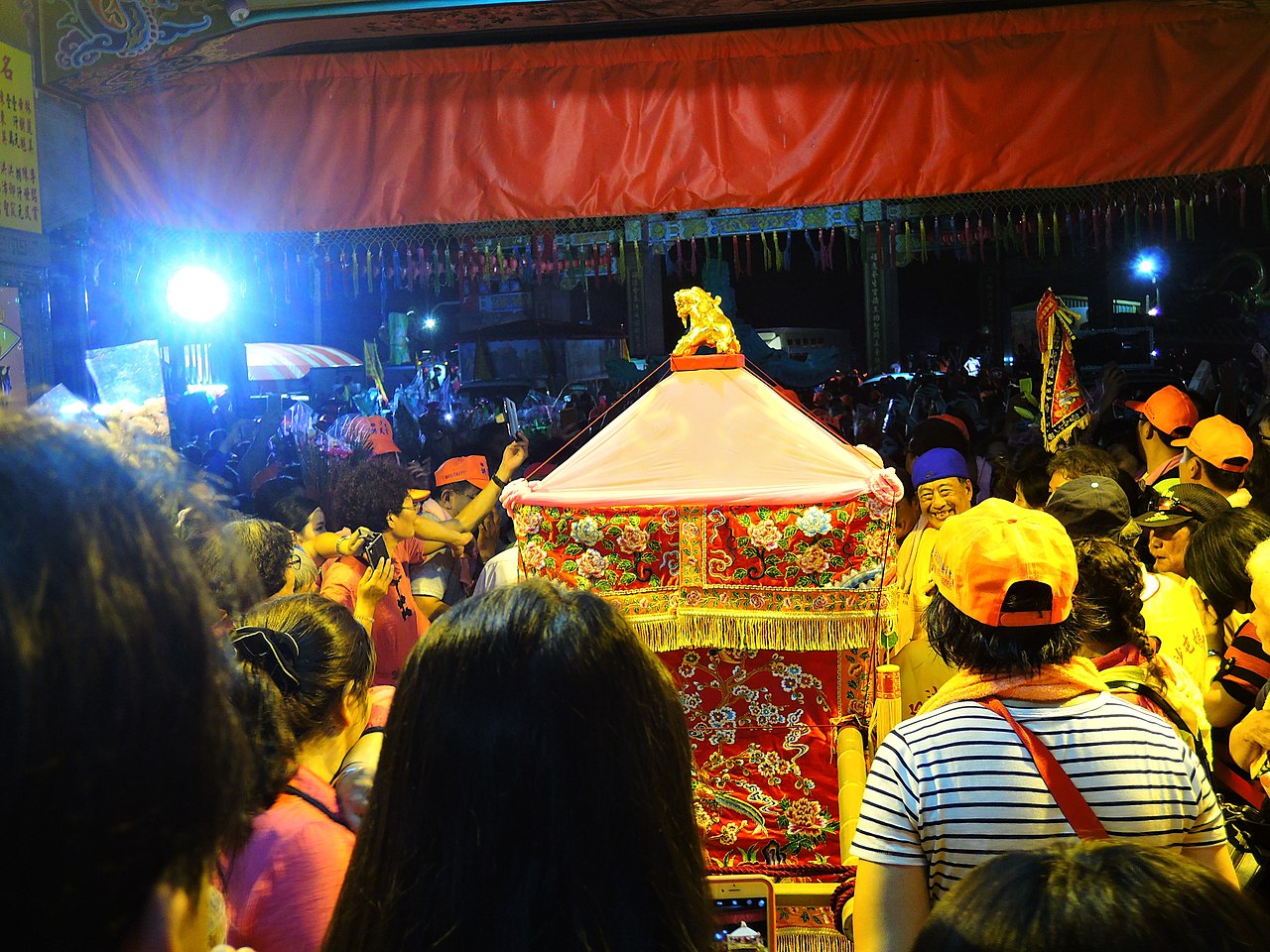
A pilgrimage is a journey undertaken with special intention, often to a place regarded as sacred, spiritually significant, or culturally important. Pilgrims may travel to a place of worship, a shrine, a tomb, a natural site, or a location associated with a historic figure. Such journeys can cross a neighborhood, a distant city or an entire country. While many pilgrimages are motivated by religious faith, others are secular: people sometimes make ritualized visits to memorials, birthplaces, or sites of cultural memory.
Image gallery
10 Images






Characteristics and purpose
Pilgrimages usually combine travel with ritual acts. Common elements include preparation and intention, physical movement, stops at stations or waypoints, offerings or prayers at the destination, and some form of return or transformation. For many believers the journey expresses repentance, thanksgiving, petition, or a desire for spiritual renewal. Institutional authorities sometimes explain or frame pilgrimage: for example, Christian leaders have described pilgrimages as opportunities to encounter the divine and to follow the memory of saints and events; see commentary by Pope Benedict XVI.
Types and notable examples
- Major world religious pilgrimages include the Islamic Hajj, Hindu festivals and river-rite journeys, the Christian Camino to Santiago de Compostela, visits to the Holy Land, Jewish pilgrimages to Jerusalem, and Buddhist journeys to places associated with the Buddha.
- Secular or cultural pilgrimages may honour political leaders, artists, or historic events — for instance, visiting the Mausoleum of Vladimir Lenin on the Red Square in Moscow, or the childhood home of musicians such as Elvis Presley.
- Smaller local pilgrimages include annual processions, youth pilgrimages to Marian shrines, and single-day visits organized by congregations or community groups.

History and development
Pilgrimage is an ancient and cross-cultural practice. In many faiths it dates back centuries and has evolved alongside travel technology and social change. Routes that began as footpaths later supported caravans, river traffic, and eventually modern highways and air travel. The motives and forms of pilgrimage have adapted over time: some routes acquired stations and hospices, new destinations gained prominence, and authorities developed rules for safety, registration, or indulgences. At the same time, mass tourism and digital communication have changed how people learn about and arrange pilgrimages.
Practice, symbols, and modern forms
Pilgrims often carry tokens or documents that mark the journey: badges, stamps in a credential, certificates issued by shrine authorities, or photographs taken at holy points. Pilgrim credentials and the practice of collecting stamps remain important along long routes; a printed or stamped record can be a requirement to receive a completion certificate or blessing. Pilgrimage can be solitary or communal, on foot or by vehicle, brief or lasting weeks. Contemporary forms include organized youth pilgrimages, walking routes adapted for recreation, and virtual or symbolic pilgrimages conducted online.

Social and cultural importance
Beyond personal faith, pilgrimages sustain economies, conserve heritage routes, and create social networks between regions. They often inspire local hospitality industries, guide traditions, and artistic expressions. Pilgrimage routes may be protected for cultural reasons and promoted as heritage tourism. Critics sometimes worry about overcrowding, commercialization, or environmental impacts, while advocates emphasize the practice's role in identity, interfaith contact, and community cohesion.

Distinctive traditions and communities
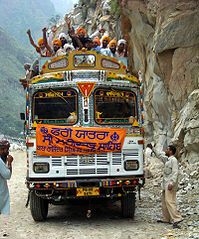
Different religions and cultures maintain distinctive approaches. Sikhs, for example, travel to gurudwaras and sacred towns as part of communal devotion and remembrance; groups of pilgrims may travel together by bus or train on organized trips (Sikh examples). In Christianity, pilgrimages to Rome or places associated with martyrs and saints are especially significant. Muslim, Hindu, Buddhist, Jewish, and indigenous traditions each have canonical or customary destinations that connect believers to history, scripture, or sacred landscapes.
Practical considerations
- Plan logistics in advance: permits, accommodation, timing, and safety arrangements.
- Respect local rules at sacred sites: dress codes, gender-specific practices, and rituals.
- Understand the difference between pilgrimage and tourism: intention and ritual distinguish the two, even when activities overlap.
Pilgrimage remains a versatile human practice: a structured spiritual exercise for many, a cultural rite of passage for others, and sometimes a form of contemplative travel that blends history, devotion, and personal challenge.
place of worship | city | country | Pope Benedict XVI | Holy Land | Mausoleum | Vladimir Lenin | Red Square | Moscow | Elvis Presley | Santiago de Compostela | Sikh
Related articles
Author
AlegsaOnline.com Pilgrimage: journeys of devotion, culture, and meaning Leandro Alegsa
URL: https://en.alegsaonline.com/art/76911