
Afghanistan: geography, history, society, and contemporary issues
Afghanistan is a landlocked country in Asia with a long history, diverse peoples, complex geography and significant political, humanitarian and human rights challenges since 2021.
Overview: Afghanistan is a landlocked country in south-central Asia that has served for millennia as a crossroads of trade, migration and empire. Its mountainous terrain and river valleys shape settlement, agriculture and routes of communication. The capital city is Kabul. The country is often discussed in the contexts of both Central Asia and South Asia, and it has historical connections to the Middle East. In recent decades Afghanistan has experienced prolonged conflict and substantial humanitarian need. The de facto authority in much of the country since 2021 is the Taliban, a fact that has affected international relations, aid delivery and the human rights situation.
Image gallery
10 Images




Geography and neighbours
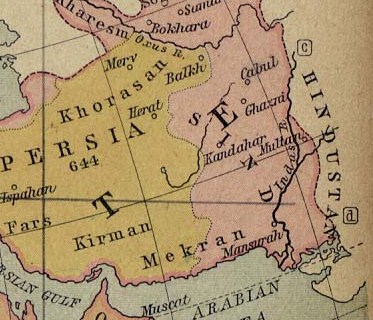
Afghanistan covers roughly 652,000 square kilometres and is entirely landlocked. Much of the interior is dominated by the Hindu Kush and related mountain ranges, with high plateaus, valleys and some arid lowlands. Climate varies from continental mountain conditions to hot dry plains; snow and steep terrain isolate many communities for parts of the year. The country shares borders with several states:
- Pakistan to the south and east.
- Iran to the west.
- Turkmenistan, Uzbekistan and Tajikistan to the north.
- A narrow corridor in the far northeast connects to China.
Historical outline
The territory now called Afghanistan has been inhabited and contested since ancient times. It lay along important trade routes, including corridors often associated with the Silk Road, and was shaped by waves of migration, local kingdoms and successive empires. In the modern era, the country experienced 19th- and 20th-century state formation, periodic internal conflict and major external interventions. From the late 20th century into the 21st, fighting, foreign military presence and civil war have had profound effects on infrastructure, governance and social life.
Government, law and international response
Political authority in Afghanistan has shifted repeatedly. Since August 2021 the group known as the Taliban controls much of the territory, while many states and international organizations continue to emphasise concerns about governance, human rights and counterterrorism. The United Nations Human Rights Council has acted to monitor human rights developments; a formal resolution led to the appointment of a special rapporteur to examine allegations and advise on accountability. International reactions vary between calls for humanitarian access and non-recognition or conditional engagement pending improvements in rights and inclusive governance.
People, languages and culture
Afghanistan is ethnically and linguistically diverse. Major communities include Pashtun, Tajik, Hazara, Uzbek and other groups, and both Pashto and Dari (a variety of Persian) are widely used. Islam is the predominant religion and informs many cultural practices; within that broad tradition there is local variation in custom, dress, music, poetry and social organisation. Decades of conflict have disrupted education, healthcare and cultural institutions, although local artistic and craft traditions continue to be important to community identity.
Economy and livelihoods
The economy is primarily rural with agriculture and animal husbandry supporting a large share of the population. Production is influenced by terrain, water availability and seasonal differences. Afghanistan has known mineral resources and potential for development, but insecurity, corruption and weak infrastructure limit large-scale investment. Opium poppy cultivation has been a persistent and controversial source of income for some households and has shaped local economies and international policy responses. Humanitarian assistance and remittances also play significant roles in many families' livelihoods.
Humanitarian and human rights situation
Years of conflict, displacement and interrupted services have produced considerable humanitarian need. Millions of Afghans have been displaced internally or have sought refuge in neighbouring countries, while many communities face poverty, food insecurity and limited access to health and education. International organisations and non-governmental actors provide relief and assistance, though access and funding often fluctuate. Human rights observers continue to document concerns about restrictions on women and girls, freedom of expression and protections for minority groups; these issues have been the focus of reports and inquiries by bodies such as the UN Human Rights Council and other agencies, which publish human rights reports and findings.
Security and foreign relations
Security in Afghanistan varies widely by region and over time. The presence of different armed groups, cross-border dynamics and terrorist threats complicate domestic stability and regional relations. Afghanistan's neighbours—states referenced above—remain engaged through diplomacy, refugee policy and security cooperation. External actors are involved in humanitarian work, development projects and diplomatic efforts to influence outcomes on governance, human rights and counterterrorism. The country's strategic position has long made it of interest to regional and global powers.
Demography and migration
Population estimates vary; broadly speaking Afghanistan is home to tens of millions of people, with a high proportion of young residents. Urban centres, especially Kabul, have expanded rapidly in recent decades. Longstanding refugee flows have seen large Afghan communities in neighbouring countries at times, particularly in Pakistan and Iran; return and reintegration of refugees and internally displaced people remain ongoing policy and humanitarian challenges.
Culture, heritage and notable sites
Afghanistan's cultural heritage includes historic cities, archaeological sites and craft traditions that reflect its role as a meeting point of civilizations. Conflict has damaged or destroyed important monuments and collections in some cases, while conservation efforts by local and international groups seek to preserve and restore vulnerable sites. Literature, oral history and music remain central to cultural life.
Related links: Country profile, Central Asia context, Pakistan relations, Iran relations, Turkmenistan border, Uzbekistan ties, Tajikistan ties, China contact point, Kabul information, Taliban, Middle East links, UN Human Rights Council, UN resolution, special rapporteur, human rights reports.
Questions and answers
Q: What is the official name of Afghanistan?
A: The official name of Afghanistan is the Islamic Emirate of Afghanistan.
Q: What countries border Afghanistan?
A: Afghanistan borders Pakistan in the south and east, Iran in the west, Turkmenistan, Uzbekistan and Tajikistan in the north, and China in the far northeast.
Q: What is the capital city of Afghanistan?
A: The capital city of Afghanistan is Kabul.
Q: How large is Afghanistan?
A: Afghanistan has an approximate size of 251,826 square miles (652,230 square kilometres).
Q: How many people live in Afghanistan?
A: There are approximately 40.976 million people living in Afghanistan.
Q: How many Afghan refugees are there?
A: There are approximately 3 million Afghan refugees who have had to leave their country and now reside in Pakistan and Iran.
Q: Who was appointed by United Nations Human Rights Council to probe violations carried out by Taliban and others involved in conflict?
A: The United Nations Human Rights Council decided to appoint a United Nations special rapporteur on "Afghanistan to probe violations carried out by the Taliban and" others who are now part of a conflict.
Related articles
Author
AlegsaOnline.com Afghanistan: geography, history, society, and contemporary issues Leandro Alegsa
URL: https://en.alegsaonline.com/art/1232
Sources
- afghan-web.com : "Article Sixteen of the Constitution of Afghanistan"
- dictionary.reference.com : Reference.com
- dictionary.reference.com : Reference.com · web.archive.org
- cso.gov.af : "Central Statistics Organization"
- esa.un.org : "World Population Prospects: The 2017 Revision"
- imf.org : "Afghanistan" · web.archive.org
- data.worldbank.org : data.worldbank.org/indicator/SI.POV.GINI
- hdr.undp.org : "2015 Human Development Report"
- millenniumindicators.un.org : "Composition of macro geographical (continental) regions, geographical sub-regions, and selected economic and other groupings"
- cia.gov : "Afghanistan"
- cso.gov.af : cso.gov.af
- kids.nationalgeographic.com : "Afghanistan Facts and Pictures"