
Maghreb (Northwest Africa)
Northwest African region historically and culturally defined; commonly includes Mauritania, Western Sahara, Morocco, Algeria, Tunisia and Libya, with shared Berber and Arab influences.
Overview
The Maghreb (Arabic al-Maġrib al-ʿArabī) is a term applied to the western part of the Arab world and to a broader cultural‑geographic region of North Africa. In contemporary usage it most often denotes the countries of Mauritania, Western Sahara, Morocco, Algeria, Tunisia and Libya, though shorter definitions restrict it to the three countries between the high ranges of the Atlas Mountains and the Mediterranean Sea. The word Maghreb itself comes from Arabic and literally means "the west," reflecting its relation to other parts of the historical Islamic world.
Image gallery
10 Images






Geography and environment
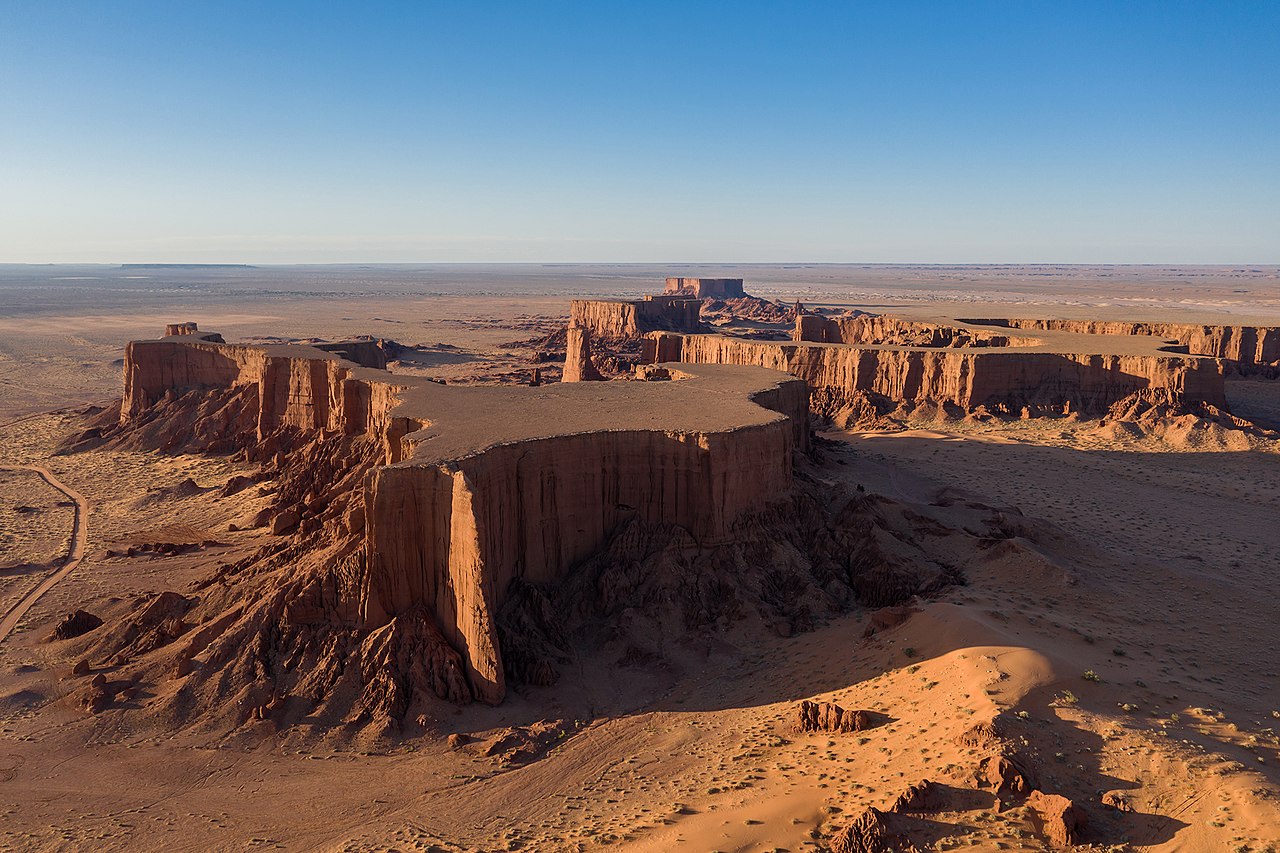
The region spans Atlantic and Mediterranean coastlines, Atlas ranges and large tracts of the Sahara Desert. Coastal plains and mountain chains shape climates that vary from temperate Mediterranean in the north to arid desert in the south. Natural resources are diverse: phosphates, hydrocarbons, fisheries and agricultural zones support national economies while large desert areas remain sparsely populated.
Constituent territories
- Mauritania
- Western Sahara (territory with contested status)
- Morocco
- Algeria
- Tunisia
- Libya
Historical development
Human societies in the Maghreb have deep roots, including indigenous Berber (Amazigh) populations and Phoenician, Roman and later Byzantine presences along the coast. From the 7th century CE the region underwent Islamic expansion and significant Arab cultural influence, a process sometimes described as Arabization. In medieval times dynasties based in the western Mediterranean played roles that extended into the Iberian Peninsula; historians have sometimes included Muslim‑ruled parts of Spain, Portugal, Sicily and Malta in broader definitions of the Maghreb. Later periods brought Ottoman presence in the east and European colonial control in the 19th and 20th centuries, followed by 20th‑century independence movements and varying state formations.
Language, religion and culture
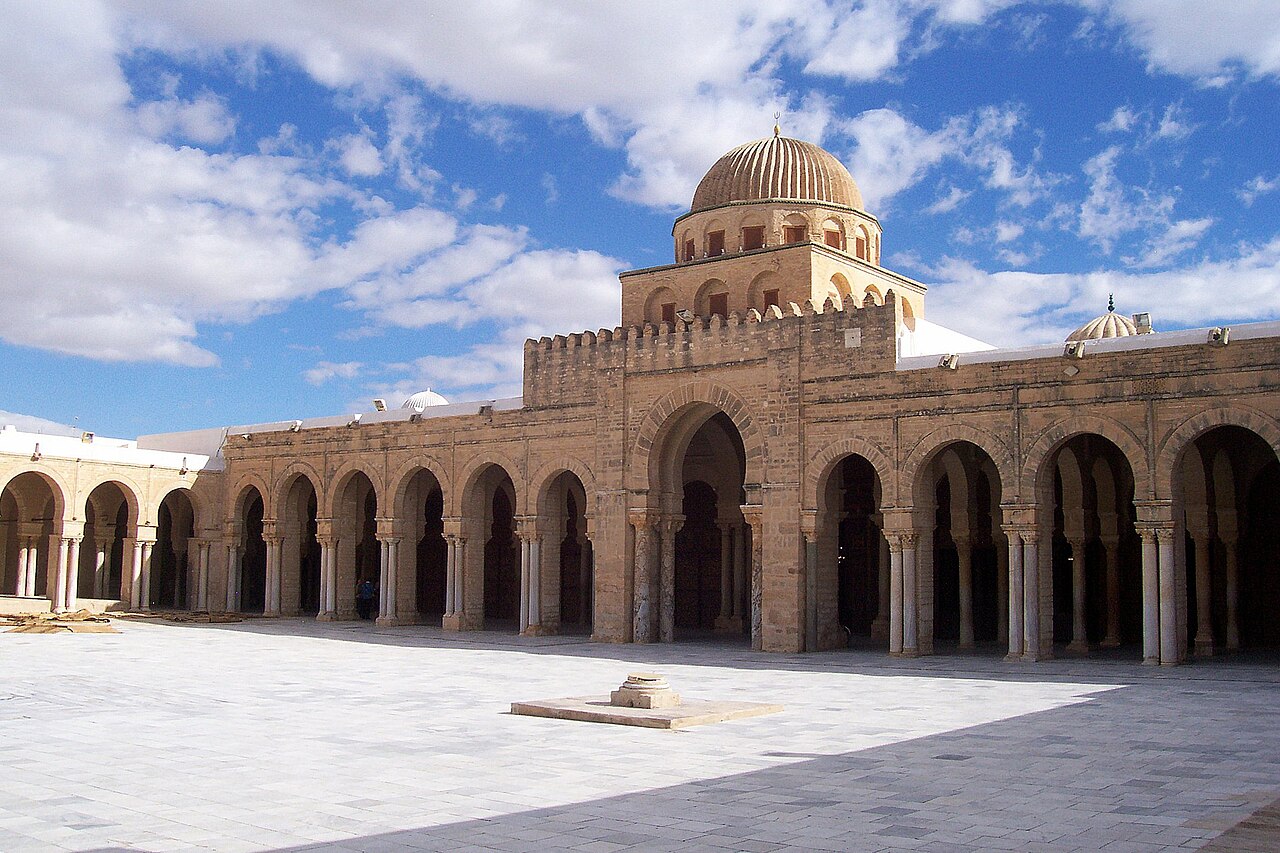
The Maghreb’s cultural landscape blends Amazigh (Berber) traditions, Arabic language and Islamic faith, with layers of Mediterranean and European influence. Modern vernaculars include Maghrebi Arabic dialects alongside several Berber languages; Maltese preserves a distinctive form of Arabic that evolved on Malta and is recognized as a separate language (Maltese). French and, in parts, Spanish remain important for administration, education and commerce due to colonial histories.
Politics, economy and regional significance
States in the Maghreb have pursued various forms of cooperation and at times experienced tensions over borders, migration and resources. The Western Sahara dispute is one of the region’s most persistent political issues. Economically, countries differ: some are energy exporters while others rely more on agriculture, fisheries and tourism. The Maghreb’s strategic position between Europe, the Mediterranean and sub‑Saharan Africa gives it continuing geopolitical importance.
Notable distinctions
Definitions of the Maghreb vary by context—geographic, cultural, political or historical—and scholars and local speakers may exclude or include territories for different reasons. The region’s shared features include a common orientation toward the western end of the Arabic‑speaking world, strong Amazigh legacies, and long ties across the Mediterranean and Sahel regions. For more general reference see maps and introductions to the Arab world and to North Africa.
Related articles
Author
AlegsaOnline.com Maghreb (Northwest Africa) Leandro Alegsa
URL: https://en.alegsaonline.com/art/60588