
Mauritania: Geography, History, and Society
An overview of Mauritania — a large, mostly desert country in northwest Africa — covering its geography, people, history, economy and notable environmental features.
Overview
Mauritania is a large, sparsely populated country in northwest Africa. Its capital and largest city is Nouakchott, a coastal capital on the Atlantic. The nation is governed under a republican system; since 2019 the presidency has been held by Mohamed Ould Ghazouani. Much of the country's identity reflects a mix of Arab-Berber and sub-Saharan West African influences.
Image gallery
10 Images


Geography and climate
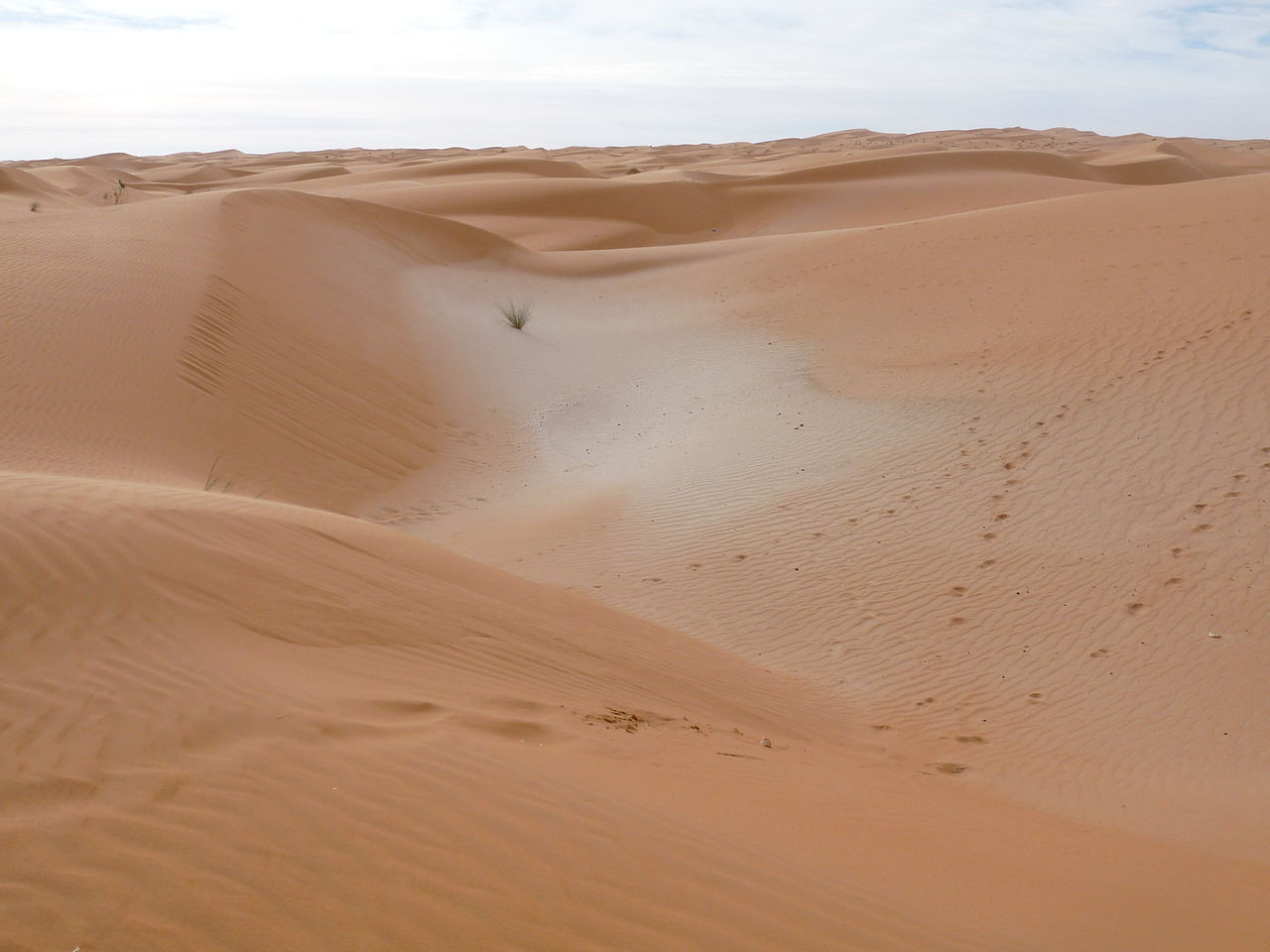
Mauritania covers about 1,030,700 km², making it one of the larger countries in Africa and similar in size to Egypt or slightly larger than Bolivia in some comparisons. The terrain is dominated by flat, arid plains and plateaus that form the southern edge of the Sahara Desert. The climate ranges from hyper-arid in the north to Sahelian in the south, where seasonal rains support limited agriculture and grazing.
Borders and regions
- Northwest: Western Sahara
- Northeast: Algeria
- East and southeast: Mali
- Southwest: Senegal and the Atlantic coast
The coastline and offshore waters are important for fishing, while the southern belt along the Senegal River supports most settled agriculture.
People, language and culture
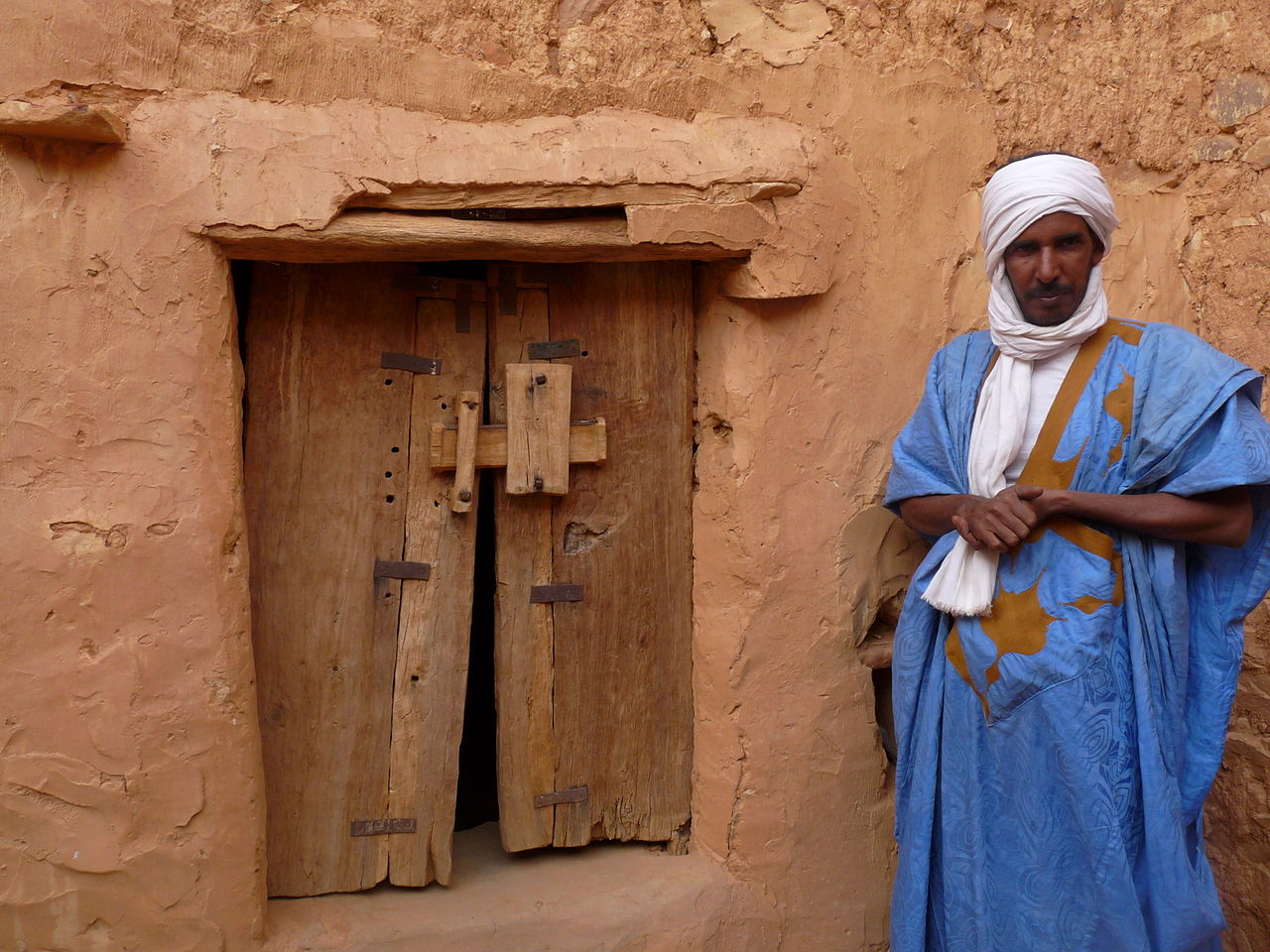
Mauritania's population combines Moors (Arab-Berber groups often described as "White Moors" and "Black Moors"), and several West African ethnic groups such as the Fulani (Pulaar), Soninke and Wolof. Arabic is the official language, French remains widely used in administration and education, and several national languages are recognized. Islam is the dominant religion and an important social and cultural influence.
History and politics
Historically part of trans-Saharan trade routes, Mauritania became a French colony before gaining independence in 1960. Since independence its politics have included periods of civilian rule, military coups and gradual political transitions. Issues such as governance, human rights and development challenges have featured in national debates as the state modernizes and integrates with regional institutions.
Economy and environment
The economy relies on a few key sectors:
- Mining (notably iron ore) and mineral exports,
- Fishing and maritime resources,
- Pastoralism and small-scale agriculture in the Sahelian south,
- Emerging oil and gas exploration and related investment.
Mauritania also contains important natural areas, such as the Banc d'Arguin National Park, which is a vital breeding ground for migratory birds and marine life. Environmental concerns include desertification, water scarcity and the need to balance resource extraction with conservation.
Notable facts
Most of Mauritania's land lies within the Sahara Desert, giving the country a low population density and a dispersed settlement pattern. Urban growth around Nouakchott and coastal towns contrasts with nomadic and rural livelihoods that remain central to the country's social fabric. For further authoritative country data and updates, consult national and international sources using the links provided above.
Related articles
Author
AlegsaOnline.com Mauritania: Geography, History, and Society Leandro Alegsa
URL: https://en.alegsaonline.com/art/62976
Sources
- quotidien-nouakchott.com : "États généraux de l'Éducation nationale en Mauritanie" · web.archive.org
- bbc.com : bbc.com/afrique/region-45793286
- ons.mr : "1: Répartition spatiale de la population"
- esa.un.org : "World Population Prospects: The 2017 Revision"
- imf.org : "Mauritania"
- data.worldbank.org : "Gini Index"
- hdr.undp.org : "2018 Human Development Report"
- cia.gov : "The World Factbook — Central Intelligence Agency"