
Magna Graecia — Greek colonies and culture in southern Italy
Magna Graecia ("Great Greece") denotes the coastal Greek colonies of southern Italy and nearby Sicily from the 8th century BC, their culture, urban centers, and lasting influence on the Roman world.
Overview
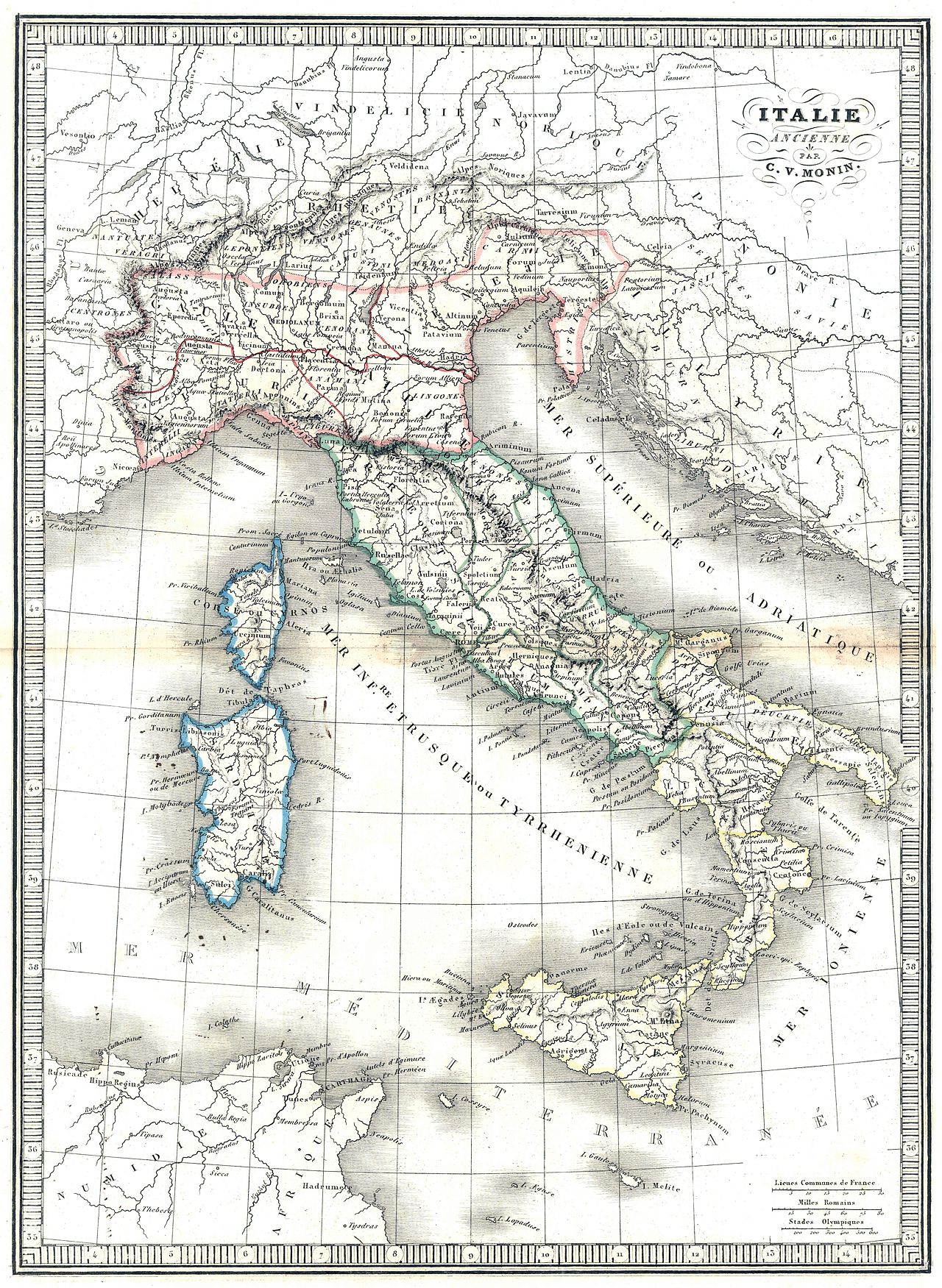
Magna Graecia is the Latin name meaning "Great Greece" for parts of the Italian peninsula and nearby islands that were colonized by Greek settlers. It principally refers to coastal areas of southern Italy, including shores of the Italian south and the waters around the Gulf of Taranto. Beginning in the 8th century BC, groups of Greek colonists founded independent city-states that preserved Hellenic language, religion and civic institutions for centuries. The label itself is a Latin term used by Romans and later writers to indicate the density and prestige of Greek settlement in the region.
Image gallery
10 Images




Major cities and sites
Magna Graecia was not a single polity but a constellation of poleis (city-states) and settlements. Prominent examples include:
- Tarentum (modern Taranto)
- Cumae and Neapolis (the area around modern Naples)
- Sybaris, Croton (Crotone) and Locri on the Ionian coast
- Rhegium (Reggio Calabria) at the Strait of Messina
- Major Sicilian centers such as Syracuse are often discussed alongside Magna Graecia due to close ties
Cultural contributions
The settlements of Magna Graecia were important vectors of Greek culture into the western Mediterranean. They fostered philosophy and science — for example, Pythagoras and his followers were active in southern Italian communities — and contributed to medicine, engineering, pottery and monumental architecture. The Greek alphabet used in the region influenced the local Italic scripts and, through adaptation, the alphabet that would be used by the Romans. Religious cults, theatrical traditions and artistic styles developed in these cities and helped shape Roman religion and aesthetics.
Historical development and Roman contact
Colonization occurred mainly between the 8th and 6th centuries BC, when mainland Greeks sought new land and trade opportunities. These Greek colonies coexisted and sometimes competed with indigenous Italic peoples and other Mediterranean powers. Over time the geopolitical balance shifted: conflicts in the third century BC, including the Pyrrhic War, and the expanding influence of the Roman Republic led to increasing Roman control. By the end of the Republican era most Greek cities in the area had been incorporated into Roman political structures, though Greek language and customs persisted for centuries.
Legacy and significance
Archaeological remains — temples, theaters, sculptures and city plans — testify to the prosperity and Hellenic character of these communities. Sites associated with Magna Graecia are important for studies of Greek colonization, early urbanism in the west, and the cultural exchange between Greeks and Italians. Today the legacy survives in place names, regional identity, museums and ongoing fieldwork by archaeologists and historians. For further introductory resources see general treatments of Greek colonization and southern Italy's archaeological regions, or follow specialized links such as colonization studies and surveys of interactions with Rome at Roman sources and analyses of military episodes like the Pyrrhic War.
Notable distinctions
Magna Graecia differs from mainland Greece in political fragmentation and its role as a cultural bridge between east and west. Although centered on Greek identity, the region was a mosaic of Greek, Italic and later Roman influences. Modern scholarship treats Magna Graecia both as a historical geographic label and as a subject for understanding how Greek culture adapted to new environments and how it was transmitted to the Latin West.
For introductory references and further reading consult regional archaeological summaries and museum catalogues that focus on southern Italy and the wider western Greek world (terminology, regional studies, site guides). Additional scholarly and popular resources are available through academic publications and heritage organizations on Hellenic colonization and regional history.
Related articles
Author
AlegsaOnline.com Magna Graecia — Greek colonies and culture in southern Italy Leandro Alegsa
URL: https://en.alegsaonline.com/art/60612