
Cooking: the practice of preparing food by heat
Cooking is the preparation of food using heat. It transforms texture, flavor and safety through techniques such as boiling, roasting, frying and steaming, and has cultural, nutritional and practical roles.
Overview
Cooking is the process of transforming raw ingredients into dishes by applying heat. The act of cooking alters flavor, aroma, texture and digestibility, and often improves safety by reducing microbes. People cook for daily sustenance, celebration and artistic expression. When discussing basic goals it helps to think of both culinary outcomes and biological effects: to prepare food that is pleasant to eat, more digestible, and safer.
Image gallery
10 Images




Common methods
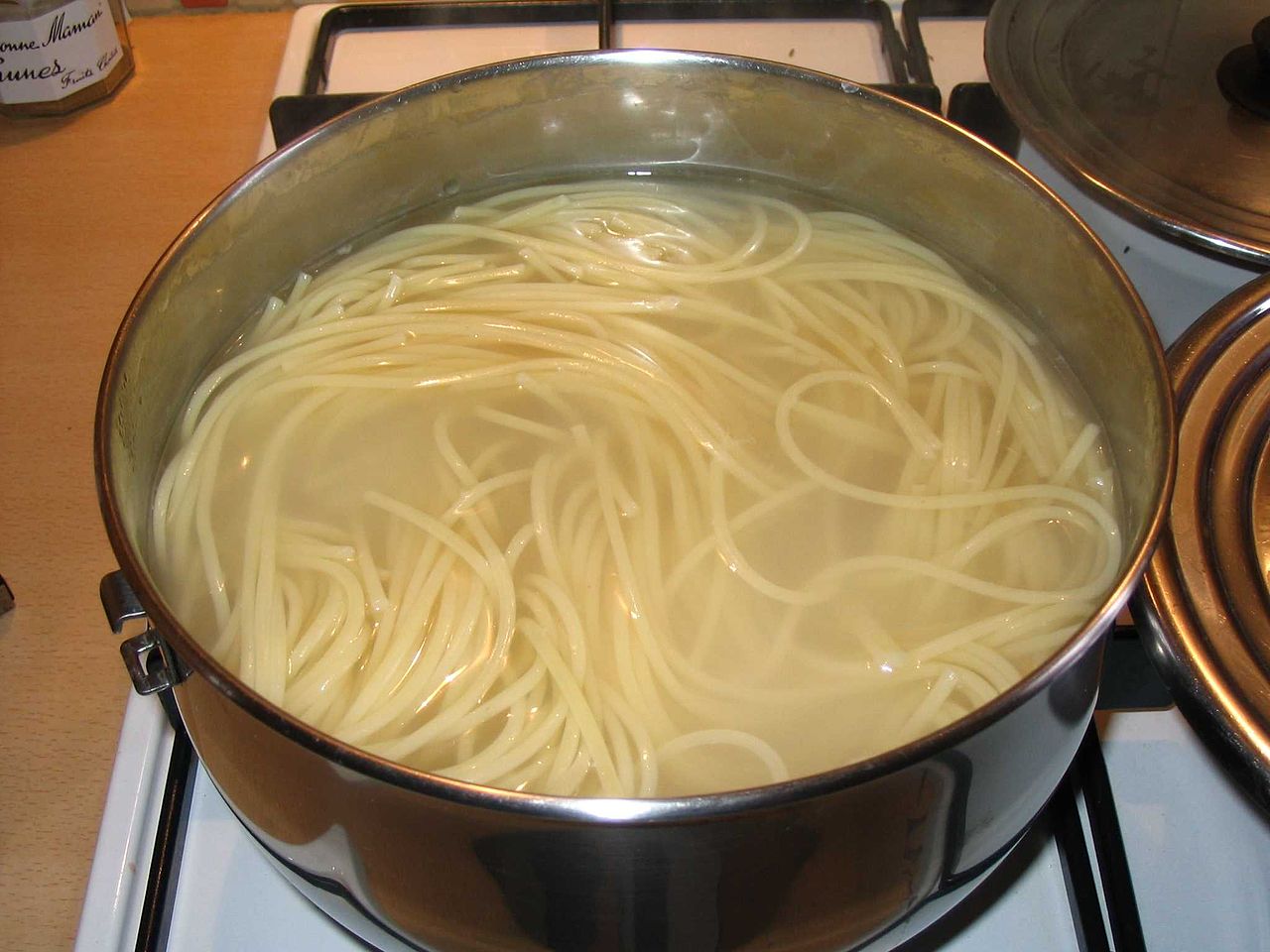
Techniques differ by how they transfer heat. Broad categories include dry-heat methods (such as roasting, baking and grilling) and moist-heat methods (such as boiling, steaming and poaching). Many cuisines use combinations—for example, searing then braising—to build flavor and tenderness.
- Dry heat: roasting, baking, frying, grilling.
- Moist heat: boiling, steaming, stewing, simmering.
- Other: sous-vide, smoking, microwave, fermenting (non-thermal).
Chemistry, nutrition and safety
Cooking causes physical and chemical changes. Heat denatures proteins, gelatinizes starches and triggers browning reactions that develop complex flavors. It can increase the bioavailability of some nutrients while reducing others. Importantly, appropriate heating helps kill bacteria and other pathogens; this is a key reason many foods are not eaten raw. However, overcooking can degrade vitamins and create undesirable compounds, so balancing time and temperature is important.
History and cultural role
Using fire to prepare food is one of humanity's oldest technologies and a major factor in cultural development. Cooking traditions reflect local ingredients, climate, religious practices and social customs. Recipes and techniques evolve over generations, producing regional cuisines and household practices that define identity and social life.
Equipment, examples and practical tips
Common tools include pans, pots, ovens, grills and knives. Modern kitchens add appliances like blenders and microwaves. Simple examples: boiling vegetables to soften them, roasting meat to concentrate flavor, steaming fish to preserve moisture. When learning, focus on technique—controlling heat and timing—rather than memorizing many recipes. For safety and quality, combine proper handling with suitable heating: cool perishables quickly, reheat thoroughly, and avoid cross-contamination.
Distinctions and notable facts
Not all foods must be cooked; some fruits, vegetables, nuts and certain seafoods are commonly eaten raw. Cultural preferences influence whether a dish is traditionally raw or cooked. For further reading on methods and hygiene best practices, see resources such as technique guides and food safety sites at public health agencies covering raw foods. Practical experimentation and attention to safety are the foundations of competent cooking.
Questions and answers
Q: What is cooking?
A: Cooking is the process of making food ready to eat by heating it.
Q: What is the benefit of cooking food?
A: Cooking food can kill bacteria that may be present in the food, making it safer to eat.
Q: What is raw food?
A: Raw food is food that has not been cooked.
Q: Can all foods be eaten raw?
A: No, some foods are not safe or healthy to eat when they are raw and must be cooked before consumption.
Q: Are all foods that require cooking also safe to eat raw?
A: No, not all foods that require cooking are safe to eat raw. Some foods are best cooked to avoid potential health risks.
Q: Can some foods be eaten both raw and cooked?
A: Yes, some foods are safe and healthy to eat both raw and cooked, depending on personal preference.
Q: What is the importance of cooking food?
A: Cooking food is important to make it safer to eat and to enhance its flavor and texture.
Related articles
Author
AlegsaOnline.com Cooking: the practice of preparing food by heat Leandro Alegsa
URL: https://en.alegsaonline.com/art/22886