
Lycopods (Lycopodiophyta): Ancient vascular plants
Lycopods are the oldest surviving vascular plant lineage. This article summarizes their form, reproduction, fossil history, living groups, ecology, uses, and how they differ from other plants.
Overview
Lycopods, also called lycophytes and classified in the division Lycopodiophyta (or Lycophyta), are a lineage of vascular plants that includes some of the most ancient survivors among land plants. Their fossil record extends back to the late Silurian and early Devonian periods, roughly 420 million years ago, and they were important components of many Paleozoic ecosystems. Modern representatives are relatively small but retain several primitive anatomical and reproductive features that distinguish them from ferns and seed plants. Lycopods are a vascular group, meaning they have specialized tissues for conducting water and nutrients; for a general context on plant classification see vascular plant division.
Image gallery
10 Images
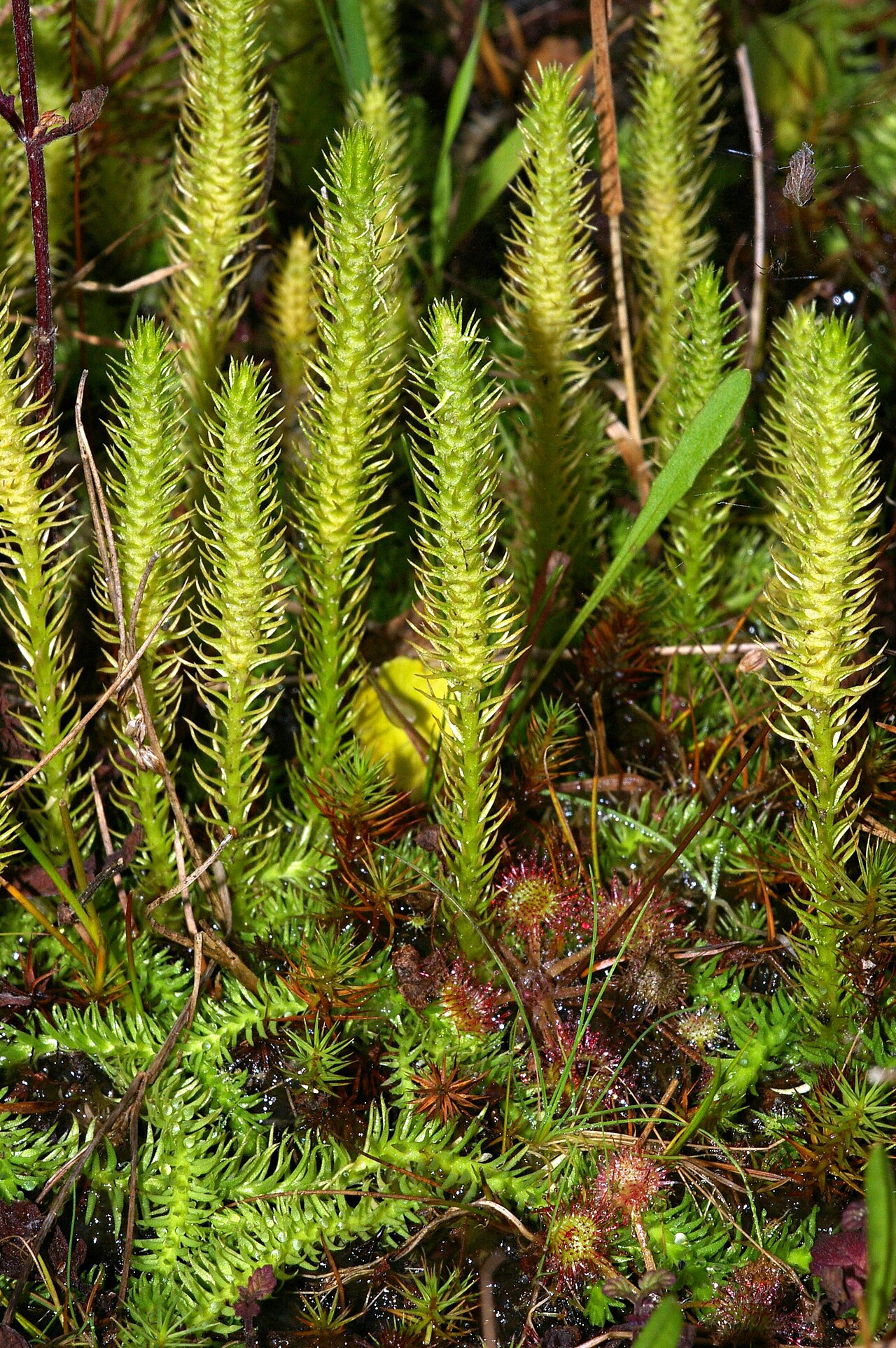


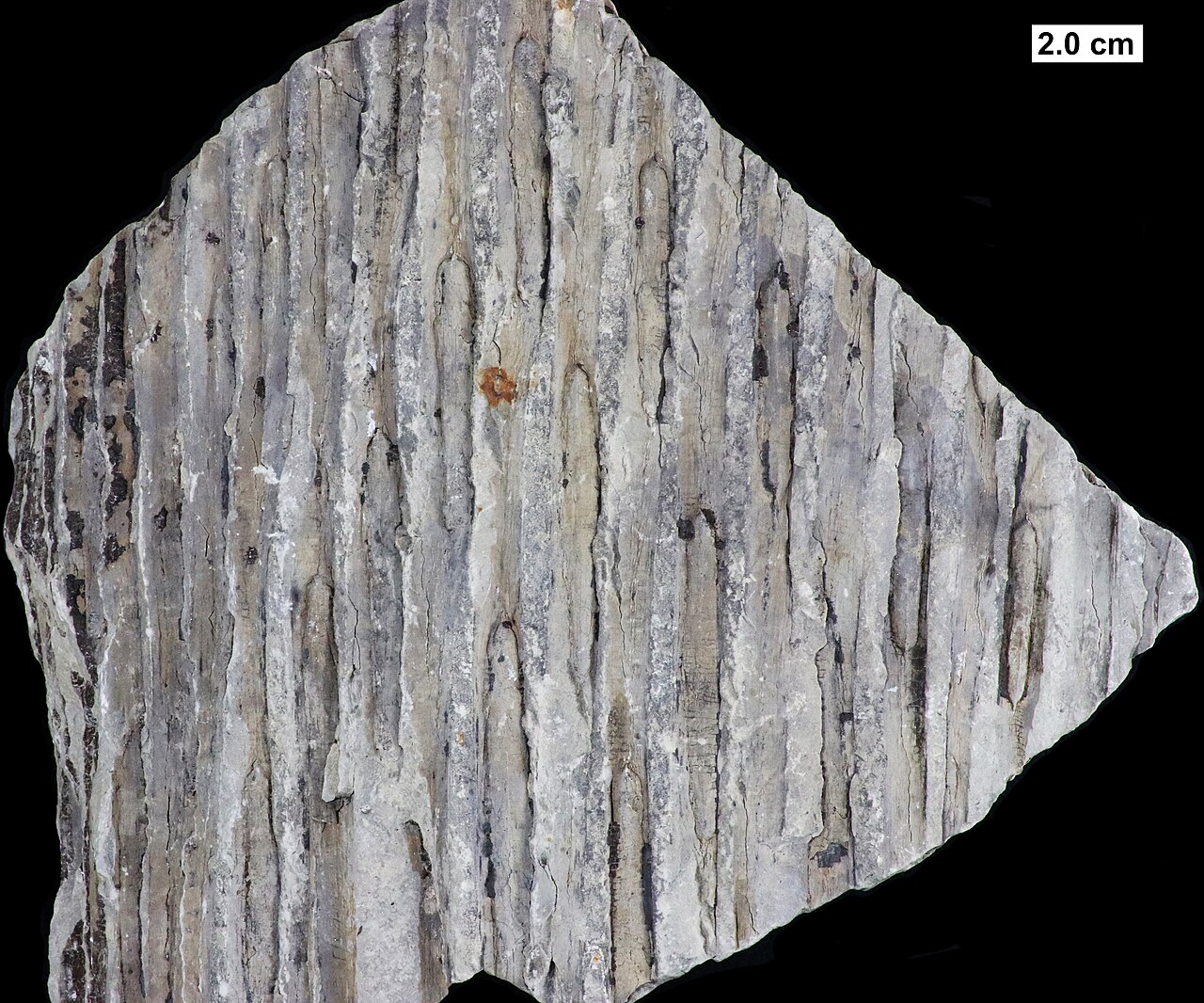


Morphology and life cycle
Lycopods exhibit a sporophyte-dominant life cycle with macroscopic alternation of generations: the familiar plant body is the diploid sporophyte, which produces spores in specialized structures called sporangia. Like other vascular plants, lycophytes possess xylem and phloem, but they typically have a protostele (a solid central core of vascular tissue) rather than the more complex steles of many other groups. A defining feature is the microphyll: a small leaf with a single, unbranched vein. Microphylls contrast with the larger, often highly branched megaphylls of ferns and seed plants. Lycopods reproduce by spores rather than seeds; more on reproductive strategies can be found at spore-bearing plants and alternation of generations.
Diversity and living groups
Today the lycophytes are represented by three principal lineages commonly treated as families or orders: Lycopodiaceae (clubmosses), Selaginellaceae (spikemosses), and Isoetaceae (quillworts). Clubmosses are mostly terrestrial and often form dense mats in forest understories; spikemosses include species with heterospory (separate microspores and megaspores) and a range of growth forms; quillworts are usually aquatic or semi-aquatic with a distinctive corm and narrow quill-like leaves. A brief comparison of these groups and their traits is useful: see plant subdivisions and specific family treatments at plant kingdom resources.
Evolutionary history and fossil importance
In the Carboniferous period many lycophyte relatives grew as large trees and formed extensive swamp forests; their remains are a significant component of coal deposits. Over geological time, most of the towering arborescent forms went extinct, leaving smaller herbaceous and low-growing species. Fossils document the long-standing presence and morphological changes of lycophytes; for broader paleobotanical context consult resources on basal plant evolution at basal plant groups.
Ecology, uses, and cultural notes
Modern lycophytes occupy a variety of habitats from moist forest floors and peat bogs to seasonal wetlands and alpine scree. They often contribute to soil stabilization and microhabitat structure. People have used lycopod material for horticulture (as groundcover and for terraria), and historically lycopodium powder (spores) was used for theatrical flashes, fingerprinting powders, and as a water-repellent coating because of its fine, hydrophobic particles. Conservation concerns include habitat loss and overcollection in some regions.
Distinctive features and common confusions
Lycopods are sometimes confused with mosses because of the name "clubmoss," but they are true vascular plants and unrelated to bryophytes. Their combination of a protostele, microphyll leaves, spore-based reproduction, and a dominant sporophyte generation sets them apart from ferns and seed plants. For further comparative information, see discussions contrasting microphylls and megaphylls at fern and seed plant comparisons and summaries of lycophyte biology at seed plant distinctions.
- Key traits: microphylls, protostele, spore reproduction, sporophyte dominance.
- Main living groups: clubmosses (Lycopodiaceae), spikemosses (Selaginellaceae), quillworts (Isoetaceae).
- Historical note: once formed large tree-like plants that contributed to Carboniferous coal.
Questions and answers
Q: What are Lycopods?
A: Lycopods are the oldest surviving vascular plant division and a subdivision of the plant kingdom.
Q: When were the earliest Lycopod fossils found?
A: The earliest Lycopod fossils were found from 428-410 million years ago.
Q: How do Lycopods reproduce?
A: Lycopods reproduce by shedding spores and have macroscopic alternation of generations.
Q: What is the dominant generation in Lycopodiophyta?
A: The sporophyte generation is dominant in Lycopodiophyta.
Q: What is the unique characteristic of Lycopods compared to other vascular plant species?
A: Lycopods differ from all other vascular plants in having microphylls, which are leaves that have only a single vein rather than the much more complex megaphylls found in ferns and seed plants.
Q: What is the structure of Lycopodiophyta?
A: Members of Lycopodiophyta have a protostele.
Q: What kind of Lycopods are included in the division?
A: The Lycopods include some of the most primitive (basal) living species.
Related articles
Author
AlegsaOnline.com Lycopods (Lycopodiophyta): Ancient vascular plants Leandro Alegsa
URL: https://en.alegsaonline.com/art/60078
Sources
- doi.org : 10.2307/1217531
- jstor.org : 1217531
- doi.org : 10.1023/A:1011969716528
- ncbi.nlm.nih.gov : "www.ncbi.nlm.nih.gov"