
Luffa (loofah): the sponge gourd — plant, uses, and cultivation
Luffa is the fibrous interior of mature gourds in the genus Luffa, used as natural sponges and eaten as a vegetable when young. This article covers its botany, uses, processing, and distinctions.
Overview
Luffa (also spelled loofah or loofa) refers to the dried fibrous network that remains inside the mature fruit of plants in the genus Luffa. The fibrous scaffold is commonly used as a bathing or cleaning sponge after removal of the outer skin and seeds. Before the gourds mature, the same plants produce tender fruits that are eaten as a vegetable in many cuisines.

Image gallery
10 Images


Botanical characteristics
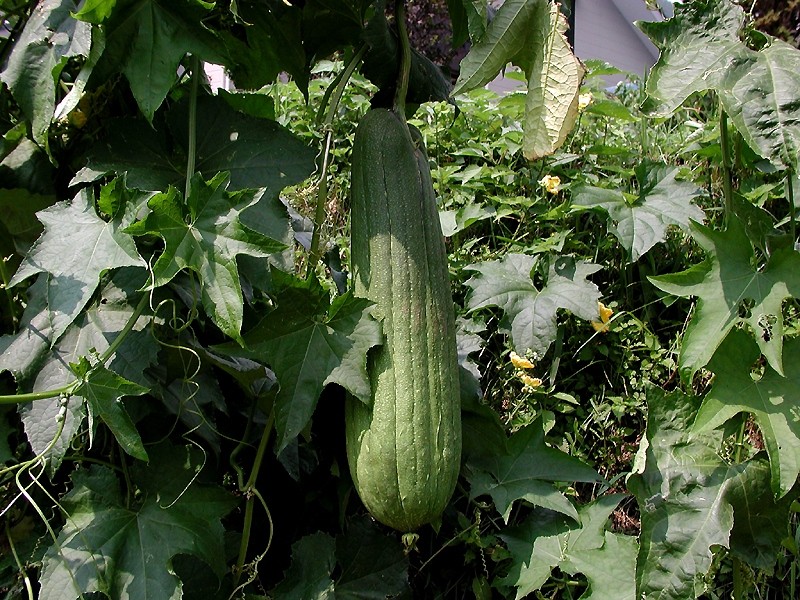
Luffa plants belong to the cucumber family, Cucurbitaceae, and are related to the cucumber, melon and squash. Several species are cultivated for different purposes; examples include Luffa aegyptiaca (sometimes called L. cylindrica) and Luffa operculata. The mature fruit develops a tough outer skin and an inner cellulose and lignin fiber matrix that persists after drying and decay of softer tissues. The plant itself is a climbing vine with tendrils, large leaves and yellow flowers produced in summer months.

Uses and processing
After harvesting, ripe luffa fruits are dried and the outer rind is peeled away to reveal the fibrous interior. Seeds are shaken out and the skeleton can be washed, bleached or left natural. Common uses include:
- Personal care: exfoliating bath sponges and pumice-like scrubbers;
- Household cleaning: dish and surface scrubbers that are biodegradable;
- Industrial and craft applications: natural filters, packing material, and craft components.

Culinary use and handling
When harvested young and tender, luffa fruits are prepared like other gourds—stir-fried, stewed, or used in soups. In this stage the interior is soft and edible; the sponge-like texture develops only as the fruit ripens. For sanitary reasons, dried luffa sponges should be rinsed and allowed to dry between uses because retained moisture can encourage microbial growth.
History, cultivation and notable distinctions
Luffa has been grown for centuries in tropical and subtropical regions of Asia and Africa, and it is now cultivated worldwide in warm climates. The term appears in several spellings (luffa, loofah, loofa), and the same word may refer either to the plant, the fresh vegetable, or the dried sponge product. While luffa is a recognized natural sponge, other plant-derived rougheners—such as corn cob or coir—have also been used historically for similar purposes. For more botanical details and cultivation guidance see resources on the plant's biology and the fruit itself at fruit references.
Practical notes
Luffa is valued as a renewable, compostable alternative to synthetic sponges. It provides a durable abrasive texture useful for cleaning and exfoliation but should not be used on broken skin or wounds. For safe use, replace luffa sponges regularly and dry them fully between uses.
Related articles
Author
AlegsaOnline.com Luffa (loofah): the sponge gourd — plant, uses, and cultivation Leandro Alegsa
URL: https://en.alegsaonline.com/art/59799