
Chinese language: varieties, writing, history, and use
An accessible overview of the Chinese language: its major regional varieties, writing systems and romanization, phonology (tones), historical development, and societal roles.
Overview
The term "Chinese language" is commonly used to describe the languages and varieties traditionally spoken by the people of China and Chinese communities abroad. It belongs to the larger Sino‑Tibetan family and includes a wide range of regional speech forms that share historical roots and cultural practices. In everyday usage the phrase may refer to the family of Sinitic varieties, the standardized national speech used for official purposes, or the written system shared across many communities. For general background see people who speak Chinese and the modern state of China, and the language family overview at Sino‑Tibetan.
Image gallery
7 Images



Major varieties and mutual intelligibility
Chinese is not a single uniform language in the sense of full mutual intelligibility. Instead it consists of several large groups or top-level varieties that are often called "dialects" in non‑technical contexts but can be as different from one another as distinct languages. The best known is Mandarin, which serves as the basis for national standard speech in mainland China and Taiwan. Other major groups include Wu, Yue (including Cantonese), and various Min branches. Because many of these groups are not mutually intelligible, linguists sometimes treat them as separate languages rather than dialects; this discussion intersects with political and cultural factors as much as with purely linguistic criteria.
Writing, standardization and romanization
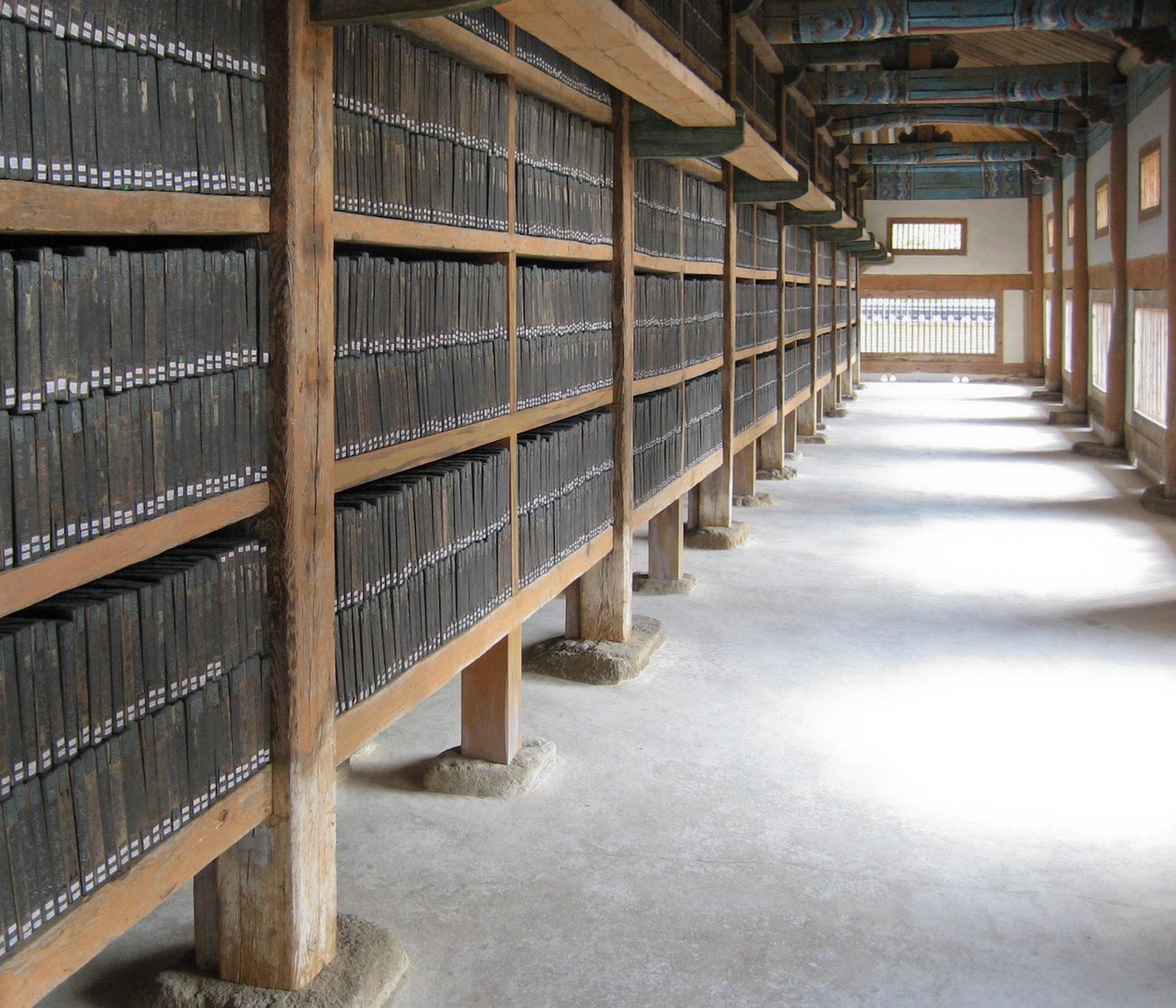
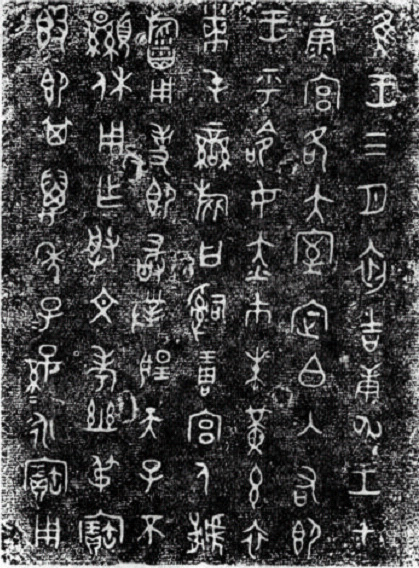
One feature that unites many Chinese varieties is the long‑established logographic writing system based on Chinese characters. These characters are traditionally written forms that carry meaning and a degree of pronunciation information; they are often described as Chinese characters or as logograms. Because the same character can be read with very different pronunciations in different local varieties, the writing system functions as a common reference across speech differences. In the twentieth century a national standard based largely on northern Mandarin varieties was promoted for interregional communication and education. That standard is commonly called Pǔtōnghuà in mainland China and Guóyǔ in Taiwan; in English it is usually referred to as Mandarin or Standard Chinese. For teaching pronunciation, the modern romanization system Hanyu Pinyin is widely used alongside characters; Pinyin is a learning and input tool rather than a replacement for characters.
Phonology: tones, syllables and regional differences
Most Sinitic varieties are tonal: the pitch contour or pitch level of a syllable contributes to distinguishing meaning. The number of tones and their shapes vary by variety; for example, southern varieties such as Cantonese often preserve more tone contrasts and a richer set of syllable endings than many northern forms. All varieties have characteristic syllable structures and use combinations of consonants, vowels, and sometimes final consonant sounds to create words. Tone behavior interacts with morphology and grammar in different ways across regions.
History and development
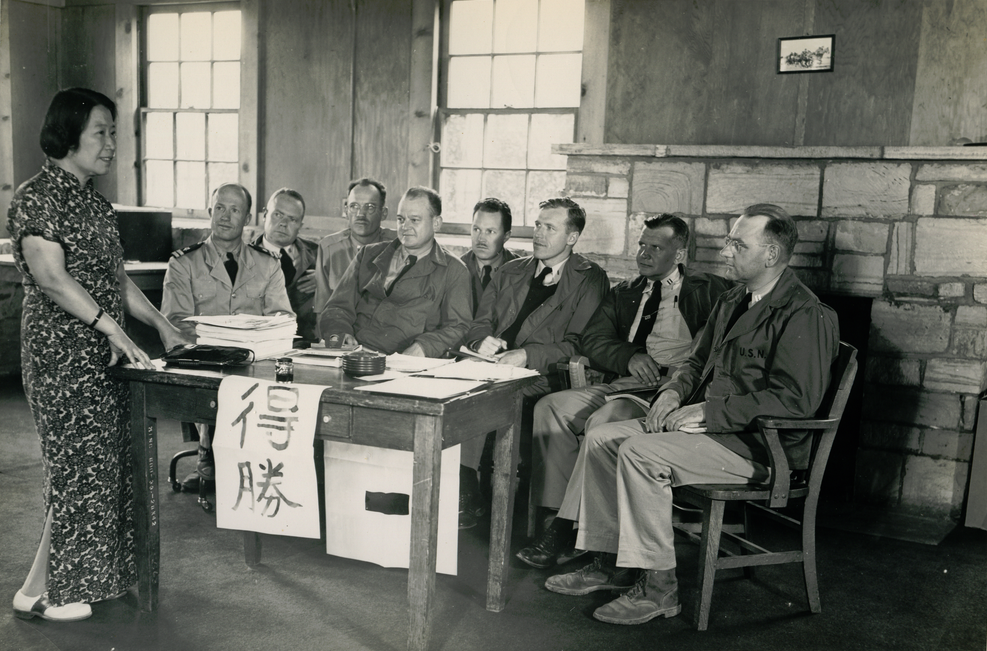
The Chinese linguistic tradition has a long written record, stretching back millennia. Over that time, pronunciations have shifted, regional varieties have diverged, and the writing system has evolved. Language planning and standardization efforts in the twentieth century aimed to increase mutual understanding across regions, influenced by models of national standard languages used in other countries and historical examples such as language policies elsewhere in Eurasia. Modern education systems promote the national standard while local varieties continue in everyday use; some policies relating to official speech and minority languages are matters of public policy and debate.
Uses, social role and notable distinctions
Chinese varieties serve many functions: they are used in government, education, media, literature, religion, business, and diaspora communication. The largest ethnic group associated with these languages is the Han people, but several other ethnic communities in China and beyond speak Sinitic varieties or adjacent Tibeto‑Burman languages. In official contexts many regions also recognize minority languages or local languages in autonomous areas; see autonomous regions for institutional arrangements. The label "dialect" is often applied in everyday speech, but linguists may prefer terms that reflect structural distinctiveness; see discussions of dialects, mutual intelligibility, and the idea of an official language in comparative perspective. Historical comparisons sometimes mention policies in other states such as the Soviet Union as examples of language planning. For further introductory materials on writing, sound, and classification consult resources on Chinese characters, romanization like Pinyin, and descriptive surveys of regional groups including Mandarin, Wu, and others.
Questions and answers
Q: What language family does Chinese belong to?
A: Chinese is part of the Sino-Tibetan family of languages.
Q: What are the main regional varieties of Chinese?
A: The main regional varieties of Chinese are Mandarin, Wu, Yue and Min.
Q: How do differences in speaking affect writing in Chinese?
A: Differences in speaking are reflected in differences in writing.
Q: What is the official language used by China?
A: The Standard Chinese language is referred to as Mandarin and it is used as the official language by China.
Q: Is Mandarin taught all over China?
A: Yes, Mandarin is taught all over China.
Q: How long have Chinese characters been around for?
A: Chinese characters have been around for at least 3500 years.
Q: How does Hanyu Pinyin represent sounds in Roman letters?
A:Hanyu Pinyin represents the sounds of Mandarin using Roman letters.
Related articles
Author
AlegsaOnline.com Chinese language: varieties, writing, history, and use Leandro Alegsa
URL: https://en.alegsaonline.com/art/19764
Sources
- ethnologue.org : Chinese language
- china-language.gov.cn : china-language.gov.cn
- mandarin.org.sg : "Speak Mandarin Campaign"